New Zealand Foreign Minister Winston Peters Faces Racism Row Over 'Go Back' Remark

Digital Desk

New Zealand Foreign Minister Winston Peters Faces Racism Row Over 'Go Back' Remark

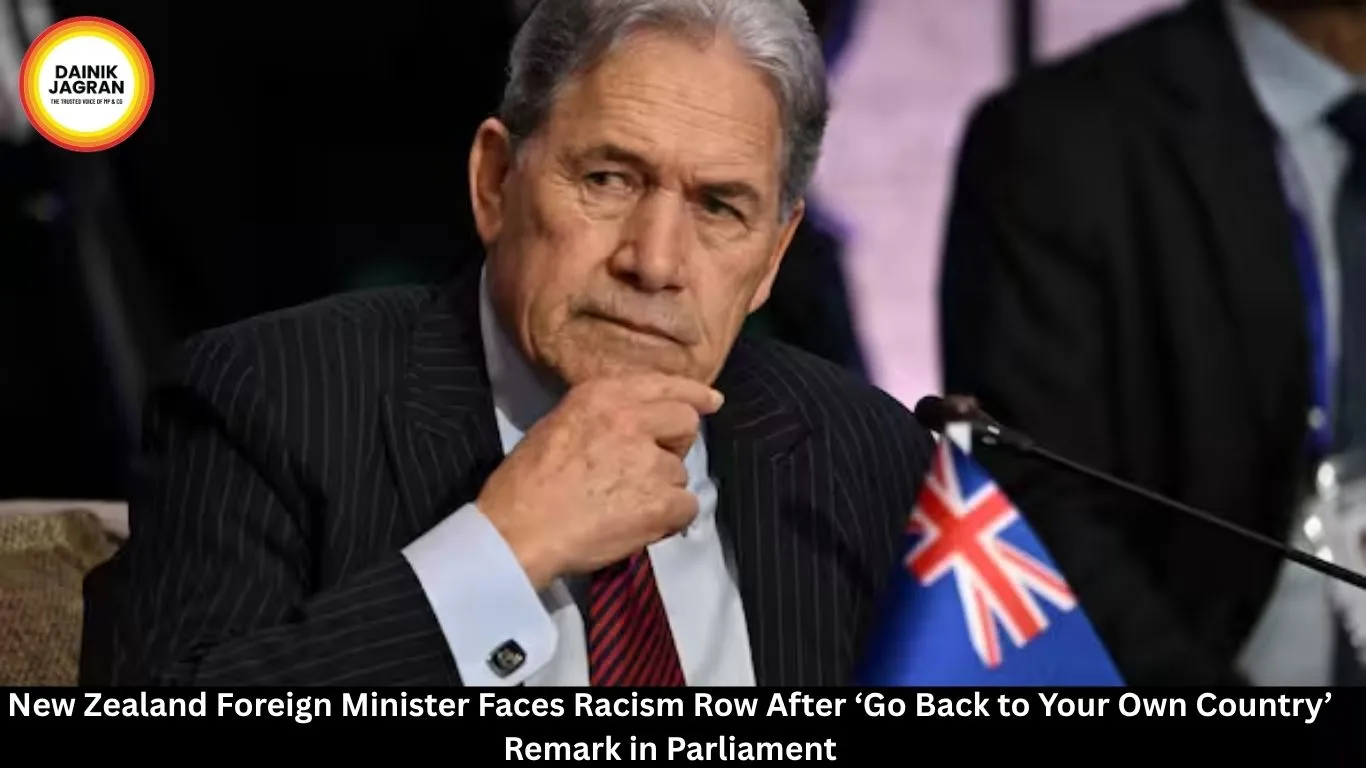
New Zealand Foreign Minister Winston Peters is facing criticism after telling Chinese-born MP Lawrence Xu-Nan to "go back to your own country" during a parliamentary debate, drawing backlash and a rare response from China's ambassador.

 New Zealand Foreign Minister Winston Peters has come under intense criticism after telling a Chinese-born opposition lawmaker to "go back to your own country" during a heated parliamentary debate, triggering accusations of racism and prompting a rare diplomatic response from the Chinese Embassy.

The controversy erupted during a discussion on New Zealand's response to the COVID-19 pandemic, when Green Party MP Lawrence Xu-Nan, who was born in Tianjin, China, and raised in Auckland, questioned Peters by asking whether he had been vaccinated.

Instead of responding directly, Peters launched a personal attack on the opposition legislator, questioning his background and nationality.

Heated Exchange in Parliament

During the debate, Peters told Xu-Nan that he had "come here five minutes ago" before saying:

"Go back to your own country... This is called a democracy, unlike what you're used to. Go back to where you've come from, you loudmouth."

The remarks immediately drew criticism from opposition lawmakers, social media users and political commentators, who described them as racially insensitive and inappropriate for parliamentary debate.

Xu-Nan later accused Peters of using migrant communities as political targets instead of addressing substantive policy questions.

Chinese Embassy Responds

The controversy escalated after Chinese Ambassador to New Zealand Wang Xiaolong issued an unusual public statement on social media.

Although stating that China generally avoids involvement in New Zealand's domestic politics, the ambassador remarked that "sometimes a statement says more about the person that makes it than anything or anybody else."

The response marked a rare diplomatic intervention by the Chinese Embassy in an internal political dispute.

Peters Defends His Remarks

Rather than apologising, Peters defended his comments and criticised the Chinese ambassador's intervention.

Posting on social media, he argued that the ambassador's response reinforced his position and contrasted New Zealand's democratic values with what he described as authoritarian political systems.

Peters said New Zealand values free speech and democracy, adding that people should compare those freedoms with conditions in countries governed by communist or authoritarian systems.

Political and Public Backlash

The incident has generated widespread debate within New Zealand.

Critics argue that telling an elected lawmaker to "go back" to another country amounts to a racial or ethnic attack, regardless of political disagreement.

Several commentators noted that such language would likely attract disciplinary action in most professional workplaces.

Political analysts also suggested the remarks reflect identity-based politics increasingly used in election campaigns, particularly on issues relating to immigration and national identity.

Not the First Controversy

This is not the first time Winston Peters and his New Zealand First Party have faced criticism over controversial remarks.

Earlier this year, Deputy Prime Minister Shane Jones attracted backlash after describing a potential India-New Zealand trade agreement as a "butter chicken tsunami."

In another parliamentary exchange last year, Jones shouted "Send the Mexicans home" at a Mexican-born opposition MP, comments that also generated widespread criticism before party leaders later distanced themselves from the remarks.

Peters himself has previously faced criticism over comments directed at lawmakers from Pacific Island backgrounds.

Growing Strains with China

The latest controversy comes at a time when relations between New Zealand and China have become increasingly strained.

In recent months, Wellington has expressed concerns over China's military activities in the Pacific region, including a ballistic missile test.

Tensions also increased after Beijing imposed travel restrictions on several New Zealand lawmakers following a parliamentary visit to Taiwan, which China considers part of its territory.

Despite these disagreements, China remains one of New Zealand's largest trading partners, making diplomatic relations strategically important for both countries.

Debate Continues

The parliamentary exchange has reignited discussion in New Zealand over race, immigration, political rhetoric and the standards expected from senior public officials.

While supporters of Peters have defended his comments as an exercise of free speech and robust political debate, critics argue that such language risks deepening social divisions and undermining inclusive democratic values.

The controversy is expected to remain a significant political issue as Parliament continues its current session.
 

--------

🚨 Beat the News Rush – Join Now!

Get breaking alerts, hot exclusives, and game-changing stories instantly on your phone. No delays, no fluff – just the edge you need. ⚡

Tap to join: 

🟢 WhatsApp Channel: Dainik Jagran MP CG

Crave more?

🅕 Facebook: Dainik Jagran MP CG English

🅧 Twitter (X): Dainik Jagran MP CG

🅘 Instagram: Dainik Jagran MP CG

Share the fire – keep your crew ahead! 🗞️🔥

english.dainikjagranmpcg.com
30 Jul 2026 By Abhishek Joshi

New Zealand Foreign Minister Winston Peters Faces Racism Row Over 'Go Back' Remark

Digital Desk

 New Zealand Foreign Minister Winston Peters has come under intense criticism after telling a Chinese-born opposition lawmaker to "go back to your own country" during a heated parliamentary debate, triggering accusations of racism and prompting a rare diplomatic response from the Chinese Embassy.

The controversy erupted during a discussion on New Zealand's response to the COVID-19 pandemic, when Green Party MP Lawrence Xu-Nan, who was born in Tianjin, China, and raised in Auckland, questioned Peters by asking whether he had been vaccinated.

Instead of responding directly, Peters launched a personal attack on the opposition legislator, questioning his background and nationality.

Heated Exchange in Parliament

During the debate, Peters told Xu-Nan that he had "come here five minutes ago" before saying:

"Go back to your own country... This is called a democracy, unlike what you're used to. Go back to where you've come from, you loudmouth."

The remarks immediately drew criticism from opposition lawmakers, social media users and political commentators, who described them as racially insensitive and inappropriate for parliamentary debate.

Xu-Nan later accused Peters of using migrant communities as political targets instead of addressing substantive policy questions.

Chinese Embassy Responds

The controversy escalated after Chinese Ambassador to New Zealand Wang Xiaolong issued an unusual public statement on social media.

Although stating that China generally avoids involvement in New Zealand's domestic politics, the ambassador remarked that "sometimes a statement says more about the person that makes it than anything or anybody else."

The response marked a rare diplomatic intervention by the Chinese Embassy in an internal political dispute.

Peters Defends His Remarks

Rather than apologising, Peters defended his comments and criticised the Chinese ambassador's intervention.

Posting on social media, he argued that the ambassador's response reinforced his position and contrasted New Zealand's democratic values with what he described as authoritarian political systems.

Peters said New Zealand values free speech and democracy, adding that people should compare those freedoms with conditions in countries governed by communist or authoritarian systems.

Political and Public Backlash

The incident has generated widespread debate within New Zealand.

Critics argue that telling an elected lawmaker to "go back" to another country amounts to a racial or ethnic attack, regardless of political disagreement.

Several commentators noted that such language would likely attract disciplinary action in most professional workplaces.

Political analysts also suggested the remarks reflect identity-based politics increasingly used in election campaigns, particularly on issues relating to immigration and national identity.

Not the First Controversy

This is not the first time Winston Peters and his New Zealand First Party have faced criticism over controversial remarks.

Earlier this year, Deputy Prime Minister Shane Jones attracted backlash after describing a potential India-New Zealand trade agreement as a "butter chicken tsunami."

In another parliamentary exchange last year, Jones shouted "Send the Mexicans home" at a Mexican-born opposition MP, comments that also generated widespread criticism before party leaders later distanced themselves from the remarks.

Peters himself has previously faced criticism over comments directed at lawmakers from Pacific Island backgrounds.

Growing Strains with China

The latest controversy comes at a time when relations between New Zealand and China have become increasingly strained.

In recent months, Wellington has expressed concerns over China's military activities in the Pacific region, including a ballistic missile test.

Tensions also increased after Beijing imposed travel restrictions on several New Zealand lawmakers following a parliamentary visit to Taiwan, which China considers part of its territory.

Despite these disagreements, China remains one of New Zealand's largest trading partners, making diplomatic relations strategically important for both countries.

Debate Continues

The parliamentary exchange has reignited discussion in New Zealand over race, immigration, political rhetoric and the standards expected from senior public officials.

While supporters of Peters have defended his comments as an exercise of free speech and robust political debate, critics argue that such language risks deepening social divisions and undermining inclusive democratic values.

The controversy is expected to remain a significant political issue as Parliament continues its current session.
 

https://english.dainikjagranmpcg.com/international/new-zealand-foreign-minister-winston-peters-faces-racism-row-over/article-24307

Trending News