US-Iran Deal May Include ₹25 Lakh Crore Reconstruction Fund

Digital Desk

US-Iran Deal May Include ₹25 Lakh Crore Reconstruction Fund

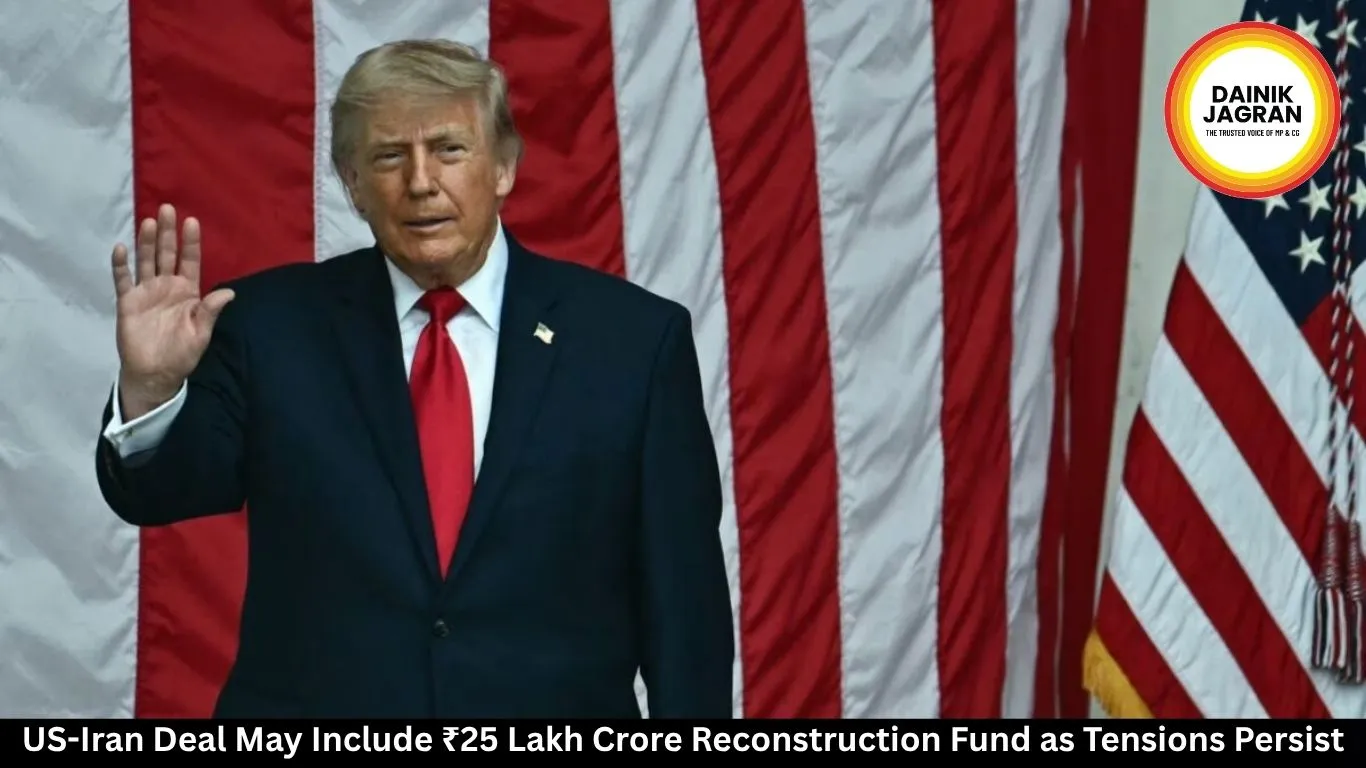
US-Iran negotiations may include a ₹25 lakh crore reconstruction fund as ceasefire talks progress amid ongoing regional tensions.


A proposed US-Iran agreement reportedly includes a ₹25 lakh crore reconstruction package, even as Washington warns it remains prepared for renewed military action if required.

A draft agreement being discussed between the United States and Iran could pave the way for a massive reconstruction and investment package worth nearly ₹25 lakh crore, according to a report published by The New York Times. The proposal is said to form part of a broader framework linked to a 60-day ceasefire arrangement aimed at reducing tensions after months of military escalation in the region.

The reported package, valued at around USD 300 billion, would support rebuilding efforts inside Iran and could also involve investments by American companies. Iranian officials quoted in the report described the initiative as a reconstruction programme designed to help restore infrastructure and economic activity damaged during the conflict.

Ceasefire-linked proposal

The proposed arrangement reportedly goes beyond economic assistance. It is understood to include commitments from participating governments to provide financial support to Iran as part of a wider effort to stabilise the region.

US President Donald Trump claimed that Washington and Tehran were moving closer to an understanding on Iran’s nuclear programme. In a social media post, Trump suggested that discussions were also advancing on maritime security issues and the future operation of the strategically important Strait of Hormuz.

According to Trump, a possible agreement would prevent Iran from developing nuclear weapons, ensure uninterrupted commercial shipping through the Gulf waterway, and address concerns surrounding Iran’s stockpile of enriched uranium.

Iran rejects negotiation claims

Tehran, however, publicly pushed back against the US president’s assertions. Iranian Foreign Ministry spokesperson Ismail Baghaei said there had been no negotiations on the nuclear issue and stressed that Iran’s immediate focus remained ending hostilities.

Iranian officials have repeatedly stated that confidence-building measures must come through concrete actions rather than public statements. Authorities in Tehran maintain that any future understanding would depend on practical steps taken by Washington.

The differing public positions underline the uncertainty surrounding the reported agreement, despite indications that diplomatic channels remain active.

Pentagon issues warning

Even as reports of a possible breakthrough emerged, senior US officials continued to signal military readiness.

Speaking at the Shangri-La Dialogue security summit in Singapore, US Defense Secretary Pete Hegseth said American forces remained fully capable of resuming military operations against Iran if circumstances demanded.

Hegseth said US weapons stockpiles were sufficient to support operations both in West Asia and elsewhere. He noted that the Pentagon was expanding production of munitions and strengthening its defence industrial base to meet future security requirements.

“Our ability to recommence if necessary is more than capable,” Hegseth said while addressing defence leaders and officials attending the summit.

Strait of Hormuz remains central

The Strait of Hormuz continues to be a key point in ongoing discussions. The narrow waterway carries a significant share of the world's oil shipments and has remained at the centre of regional security concerns.

Iranian authorities reported that 24 vessels transited through the strait during the previous 24 hours under what officials described as controlled conditions. At the same time, the United States warned that countries or entities supporting any Iranian toll collection mechanism in the waterway could face punitive measures.

The issue has drawn international attention due to concerns about energy markets and global trade routes.

Regional tensions continue

While diplomatic efforts appear to be gaining momentum, violence elsewhere in the region has continued. Exchanges of fire between Israel and Hezbollah intensified over the past day, with rocket attacks reported in northern Israel and fresh Israeli airstrikes targeting locations in southern Lebanon.

The World Health Organization has also warned that escalating military activity is worsening the humanitarian situation in Lebanon, citing attacks on healthcare facilities and rising civilian casualties.

What happens next

The reported USD 300 billion reconstruction package represents one of the most ambitious proposals linked to recent US-Iran diplomacy. However, significant differences remain between the two sides on key political and security issues.

For now, officials on both sides continue to send mixed signals. Whether the proposed reconstruction fund becomes a cornerstone of a broader settlement or remains part of an unfinished draft agreement may become clearer in the coming weeks as diplomatic efforts continue.

 

--------

🚨 Beat the News Rush – Join Now!

Get breaking alerts, hot exclusives, and game-changing stories instantly on your phone. No delays, no fluff – just the edge you need. ⚡

Tap to join: 

🟢 WhatsApp Channel: Dainik Jagran MP CG

Crave more?

🅕 Facebook: Dainik Jagran MP CG English

🅧 Twitter (X): Dainik Jagran MP CG

🅘 Instagram: Dainik Jagran MP CG

Share the fire – keep your crew ahead! 🗞️🔥

english.dainikjagranmpcg.com
30 May 2026 By Abhishek Joshi

US-Iran Deal May Include ₹25 Lakh Crore Reconstruction Fund

Digital Desk

A proposed US-Iran agreement reportedly includes a ₹25 lakh crore reconstruction package, even as Washington warns it remains prepared for renewed military action if required.

A draft agreement being discussed between the United States and Iran could pave the way for a massive reconstruction and investment package worth nearly ₹25 lakh crore, according to a report published by The New York Times. The proposal is said to form part of a broader framework linked to a 60-day ceasefire arrangement aimed at reducing tensions after months of military escalation in the region.

The reported package, valued at around USD 300 billion, would support rebuilding efforts inside Iran and could also involve investments by American companies. Iranian officials quoted in the report described the initiative as a reconstruction programme designed to help restore infrastructure and economic activity damaged during the conflict.

Ceasefire-linked proposal

The proposed arrangement reportedly goes beyond economic assistance. It is understood to include commitments from participating governments to provide financial support to Iran as part of a wider effort to stabilise the region.

US President Donald Trump claimed that Washington and Tehran were moving closer to an understanding on Iran’s nuclear programme. In a social media post, Trump suggested that discussions were also advancing on maritime security issues and the future operation of the strategically important Strait of Hormuz.

According to Trump, a possible agreement would prevent Iran from developing nuclear weapons, ensure uninterrupted commercial shipping through the Gulf waterway, and address concerns surrounding Iran’s stockpile of enriched uranium.

Iran rejects negotiation claims

Tehran, however, publicly pushed back against the US president’s assertions. Iranian Foreign Ministry spokesperson Ismail Baghaei said there had been no negotiations on the nuclear issue and stressed that Iran’s immediate focus remained ending hostilities.

Iranian officials have repeatedly stated that confidence-building measures must come through concrete actions rather than public statements. Authorities in Tehran maintain that any future understanding would depend on practical steps taken by Washington.

The differing public positions underline the uncertainty surrounding the reported agreement, despite indications that diplomatic channels remain active.

Pentagon issues warning

Even as reports of a possible breakthrough emerged, senior US officials continued to signal military readiness.

Speaking at the Shangri-La Dialogue security summit in Singapore, US Defense Secretary Pete Hegseth said American forces remained fully capable of resuming military operations against Iran if circumstances demanded.

Hegseth said US weapons stockpiles were sufficient to support operations both in West Asia and elsewhere. He noted that the Pentagon was expanding production of munitions and strengthening its defence industrial base to meet future security requirements.

“Our ability to recommence if necessary is more than capable,” Hegseth said while addressing defence leaders and officials attending the summit.

Strait of Hormuz remains central

The Strait of Hormuz continues to be a key point in ongoing discussions. The narrow waterway carries a significant share of the world's oil shipments and has remained at the centre of regional security concerns.

Iranian authorities reported that 24 vessels transited through the strait during the previous 24 hours under what officials described as controlled conditions. At the same time, the United States warned that countries or entities supporting any Iranian toll collection mechanism in the waterway could face punitive measures.

The issue has drawn international attention due to concerns about energy markets and global trade routes.

Regional tensions continue

While diplomatic efforts appear to be gaining momentum, violence elsewhere in the region has continued. Exchanges of fire between Israel and Hezbollah intensified over the past day, with rocket attacks reported in northern Israel and fresh Israeli airstrikes targeting locations in southern Lebanon.

The World Health Organization has also warned that escalating military activity is worsening the humanitarian situation in Lebanon, citing attacks on healthcare facilities and rising civilian casualties.

What happens next

The reported USD 300 billion reconstruction package represents one of the most ambitious proposals linked to recent US-Iran diplomacy. However, significant differences remain between the two sides on key political and security issues.

For now, officials on both sides continue to send mixed signals. Whether the proposed reconstruction fund becomes a cornerstone of a broader settlement or remains part of an unfinished draft agreement may become clearer in the coming weeks as diplomatic efforts continue.
 

https://english.dainikjagranmpcg.com/international/us-iran-deal-may-include-%E2%82%B925-lakh-crore-reconstruction-fund/article-19456

Latest News