US-Iran War Escalates as Tehran Warns Nations Hosting American Bases of Retaliation

Digital Desk

US-Iran War Escalates as Tehran Warns Nations Hosting American Bases of Retaliation

The US-Iran conflict intensifies with fresh airstrikes, Iranian missile attacks across the Gulf, Strait of Hormuz tensions and warnings to countries hosting US military bases.

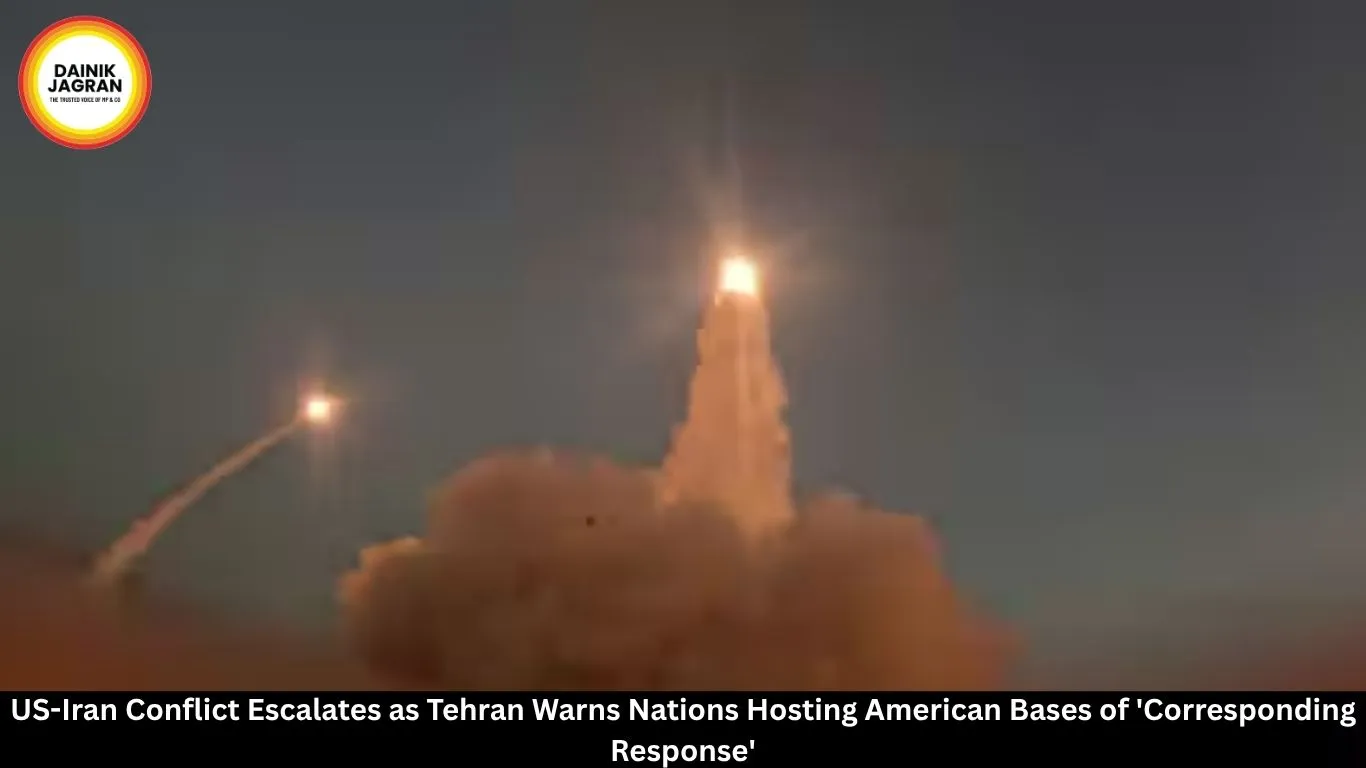
The conflict between the United States and Iran intensified on Saturday, entering its seventh consecutive day of direct military exchanges, with Tehran warning that countries hosting American military bases could face a "corresponding response" if they continue to support US operations.

The latest escalation saw fresh US airstrikes inside Iran, retaliatory missile attacks by Tehran targeting American military facilities across the Gulf region, and renewed tensions in the strategically vital Strait of Hormuz, raising fears of a wider regional conflict.

US Expands Military Campaign

The US military carried out another round of overnight strikes targeting locations inside Iran, with American officials stating that the operations were aimed at further degrading Iran's military capabilities.

Iranian authorities reported casualties and damage to civilian infrastructure, including bridges, power facilities, airports and transportation networks in southern provinces.

Iranian Foreign Minister Abbas Araghchi said several civilians were killed during the latest attacks, including victims of a strike on a bridge in Bandar Khamir.

Iran Warns Gulf States Hosting US Bases

Tehran issued one of its strongest warnings since the conflict began, declaring that countries allowing the United States to launch attacks from military bases on their territory could face retaliatory action.

Iranian officials maintained that any nation facilitating American military operations would bear responsibility for the consequences.

Senior military adviser Mohsen Rezaee warned that if US attacks continue, Iran would move beyond its current strategy of retaliation and enter what he described as a phase of "full-scale offensive operations."

Missile Attacks Across the Gulf

Iran claimed responsibility for missile strikes targeting US military installations in Bahrain, Jordan, Kuwait and Qatar.

Iranian military statements said missiles struck facilities including aircraft hangars, fuel storage areas and communication infrastructure at Bahrain's Sheikh Isa Air Base.

Authorities in Bahrain activated air raid sirens multiple times, urging residents to seek immediate shelter.

Jordan's military announced that its air defence systems intercepted 10 Iranian missiles after they entered the country's airspace, adding that no casualties or significant damage were reported.

In Qatar, officials said missile debris injured a child after the country's defence systems intercepted incoming projectiles.

Hormuz Tensions Deepen

The Strait of Hormuz, through which nearly one-fifth of global oil supplies pass, remained at the centre of the escalating crisis.

Iran's Revolutionary Guards claimed that two oil tankers exploded after entering what they described as mined waters near the strait. Tehran also alleged that four commercial vessels attempting to transit the strategic waterway had been stopped during missile and drone operations.

The United States rejected Iran's allegations regarding the tanker incidents.

The latest developments have heightened concerns over global energy security, with oil markets continuing to monitor the situation closely.

Civilian Infrastructure Reportedly Damaged

Iranian media reported damage to electricity infrastructure, desalination facilities and water supply systems in Hormozgan province following the latest American strikes.

Local authorities said several villages experienced disruptions in drinking water supplies after missile attacks damaged coastal pumping stations.

Emergency teams have begun restoration work while officials continue assessing the extent of the damage.

Regional Security Concerns Grow

The latest military exchanges have significantly expanded the geographical scope of the conflict, with multiple Gulf nations now directly affected by missile interceptions and heightened security alerts.

Military analysts warn that continued attacks on strategic shipping routes, regional military bases and civilian infrastructure could further destabilise the Middle East and increase risks to global energy markets.

Diplomatic efforts to contain the crisis remain limited, while both Washington and Tehran continue to exchange military strikes with increasingly broader targets.

As the conflict enters another critical phase, international observers are closely watching whether the confrontation remains limited or develops into a wider regional war involving additional countries.




--------

🚨 Beat the News Rush – Join Now!

Get breaking alerts, hot exclusives, and game-changing stories instantly on your phone. No delays, no fluff – just the edge you need. ⚡

Tap to join: 

🟢 WhatsApp Channel: Dainik Jagran MP CG

Crave more?

🅕 Facebook: Dainik Jagran MP CG English

🅧 Twitter (X): Dainik Jagran MP CG

🅘 Instagram: Dainik Jagran MP CG

Share the fire – keep your crew ahead! 🗞️🔥

english.dainikjagranmpcg.com
18 Jul 2026 By Abhishek Joshi

US-Iran War Escalates as Tehran Warns Nations Hosting American Bases of Retaliation

Digital Desk

The conflict between the United States and Iran intensified on Saturday, entering its seventh consecutive day of direct military exchanges, with Tehran warning that countries hosting American military bases could face a "corresponding response" if they continue to support US operations.

The latest escalation saw fresh US airstrikes inside Iran, retaliatory missile attacks by Tehran targeting American military facilities across the Gulf region, and renewed tensions in the strategically vital Strait of Hormuz, raising fears of a wider regional conflict.

US Expands Military Campaign

The US military carried out another round of overnight strikes targeting locations inside Iran, with American officials stating that the operations were aimed at further degrading Iran's military capabilities.

Iranian authorities reported casualties and damage to civilian infrastructure, including bridges, power facilities, airports and transportation networks in southern provinces.

Iranian Foreign Minister Abbas Araghchi said several civilians were killed during the latest attacks, including victims of a strike on a bridge in Bandar Khamir.

Iran Warns Gulf States Hosting US Bases

Tehran issued one of its strongest warnings since the conflict began, declaring that countries allowing the United States to launch attacks from military bases on their territory could face retaliatory action.

Iranian officials maintained that any nation facilitating American military operations would bear responsibility for the consequences.

Senior military adviser Mohsen Rezaee warned that if US attacks continue, Iran would move beyond its current strategy of retaliation and enter what he described as a phase of "full-scale offensive operations."

Missile Attacks Across the Gulf

Iran claimed responsibility for missile strikes targeting US military installations in Bahrain, Jordan, Kuwait and Qatar.

Iranian military statements said missiles struck facilities including aircraft hangars, fuel storage areas and communication infrastructure at Bahrain's Sheikh Isa Air Base.

Authorities in Bahrain activated air raid sirens multiple times, urging residents to seek immediate shelter.

Jordan's military announced that its air defence systems intercepted 10 Iranian missiles after they entered the country's airspace, adding that no casualties or significant damage were reported.

In Qatar, officials said missile debris injured a child after the country's defence systems intercepted incoming projectiles.

Hormuz Tensions Deepen

The Strait of Hormuz, through which nearly one-fifth of global oil supplies pass, remained at the centre of the escalating crisis.

Iran's Revolutionary Guards claimed that two oil tankers exploded after entering what they described as mined waters near the strait. Tehran also alleged that four commercial vessels attempting to transit the strategic waterway had been stopped during missile and drone operations.

The United States rejected Iran's allegations regarding the tanker incidents.

The latest developments have heightened concerns over global energy security, with oil markets continuing to monitor the situation closely.

Civilian Infrastructure Reportedly Damaged

Iranian media reported damage to electricity infrastructure, desalination facilities and water supply systems in Hormozgan province following the latest American strikes.

Local authorities said several villages experienced disruptions in drinking water supplies after missile attacks damaged coastal pumping stations.

Emergency teams have begun restoration work while officials continue assessing the extent of the damage.

Regional Security Concerns Grow

The latest military exchanges have significantly expanded the geographical scope of the conflict, with multiple Gulf nations now directly affected by missile interceptions and heightened security alerts.

Military analysts warn that continued attacks on strategic shipping routes, regional military bases and civilian infrastructure could further destabilise the Middle East and increase risks to global energy markets.

Diplomatic efforts to contain the crisis remain limited, while both Washington and Tehran continue to exchange military strikes with increasingly broader targets.

As the conflict enters another critical phase, international observers are closely watching whether the confrontation remains limited or develops into a wider regional war involving additional countries.


https://english.dainikjagranmpcg.com/international/us-iran-war-escalates-as-tehran-warns-nations-hosting-american-bases/article-22692

Trending News