


US Signals Tariff Relief for India as Russian Oil Imports Plummet: What's Next for Trade?
Digital Desk
US Considers Lifting Tariffs on India Amid Major Shift Away From Russian Oil
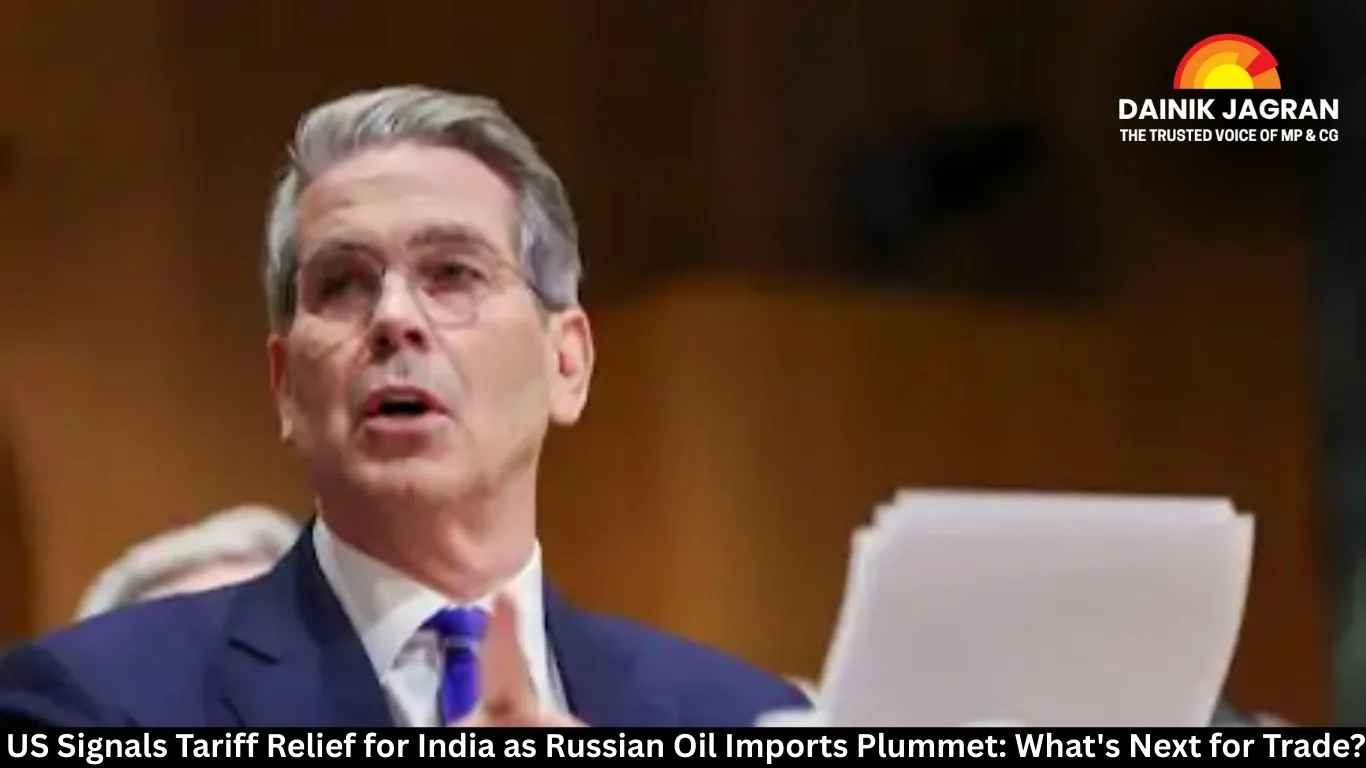
In a significant development for global trade diplomacy, the United States has signaled it may roll back contentious extra tariffs imposed on India. The potential shift comes as US Treasury Secretary Scott Baesant hailed India's substantial reduction in Russian oil imports as a "huge success" for American foreign policy.
The announcement, made during Secretary Baesant's media interactions, underscores a warming in economic relations between the two democracies, linked directly to energy geopolitics. This move could pave the way for smoother negotiations on a broader trade agreement long under discussion.
The Tariff Bargaining Chip
The US has levied two sets of 25% tariffs on India. The first was tied to longstanding trade imbalances, while the second, more recent round was a direct response to India’s surge in purchasing discounted Russian crude following the Ukraine war. Secretary Baesant indicated that this second 25% tariff, now deemed "quite effective," could be on the chopping block.
"After Trump imposed the 25% tariffs, India significantly reduced its oil purchases from Russia and has now almost stopped them," Baesant stated last week in Davos, framing the tariffs as a successful pressure tool. This creates, in his view, "room for tariff relief."
India's Strategic Pivot on Oil
The data reveals a complex picture. After the Ukraine conflict began, India became a top buyer of Russian crude, capitalizing on steep discounts. At its peak, Russian oil constituted over 35% of India’s imports. However, recent months have seen a sharp decline, with December 2025 imports hitting a three-year low.
Experts point to multiple reasons for this shift:
Vanishing Discounts: With global oil prices falling to around $63 per barrel, Russia’s discount has shrunk from $20-25 to just $1.5-2 per barrel, eroding the cost advantage.
Payment & Logistics Hurdles: Sanctions complicate dollar transactions, and Russia is reluctant to hold non-convertible Indian rupees, making deals cumbersome.
Strategic Diversification: India is consciously returning to more stable suppliers in the Middle East and the US.
A Delicate Balance of Interests
The Indian government has consistently maintained that its energy decisions are sovereign and driven by national interest, seeking "cheap and reliable" oil. The potential tariff relief appears to be a diplomatic reward for aligning, even if indirectly, with Western efforts to curb Moscow's war revenue.
Baesant's criticism of European nations for buying refined fuels from India—oil potentially processed from Russian crude—further highlights the complex web of global energy flows. He accused Europe of "indirectly helping Russia," contrasting it with the US's tougher stance.
Conclusion: A New Chapter in US-India Trade?
The consideration to lift tariffs on India marks a pivotal moment. It suggests a pragmatic recognition in Washington that coercion has limits, and incentives can yield desired strategic outcomes. For India, it validates its multi-aligned, interest-driven foreign policy. As both nations negotiate a wider trade pact, this step could thaw relations, proving that even amidst global fractures, mutual economic benefit remains a powerful unifier. The world will now watch to see if this signaled intent translates into signed action.

.jpg)




