Born on July 7, 1974, in the Jigmenang Valley of Bhutan, Lama Tashi Norbu was raised in a family deeply rooted in spiritual practice. Family elders believed his artistic destiny was foretold early on: his grandfather predicted he would become a Lhabdri, or painter of divine beings, while his grandmother, a respected female Lama, was believed to have attained the rainbow body at the time of her death. These early influences shaped his lifelong dedication to Buddhist philosophy and art.
His life was profoundly affected by Tibet’s modern political history. Following the Chinese invasion of Tibet in 1950 and the 1959 uprising that forced the 14th Dalai Lama and tens of thousands of Tibetans into exile, Tibetan cultural life faced widespread suppression. In 1981, Lama Tashi Norbu and his family relocated to Dharamshala, India, now the center of the Tibetan government-in-exile.
There, he received a dual education, studying Buddhist philosophy alongside traditional Tibetan art. He later worked as a painter at the private residence of His Holiness the 14th Dalai Lama and continued his training at Tai Situ Rinpoche’s monastery. After completing his formal Thangka education in India, Lama Tashi Norbu expanded his artistic studies in Europe, including at the St. Lucas Academy of Visual Arts in Ghent, Belgium.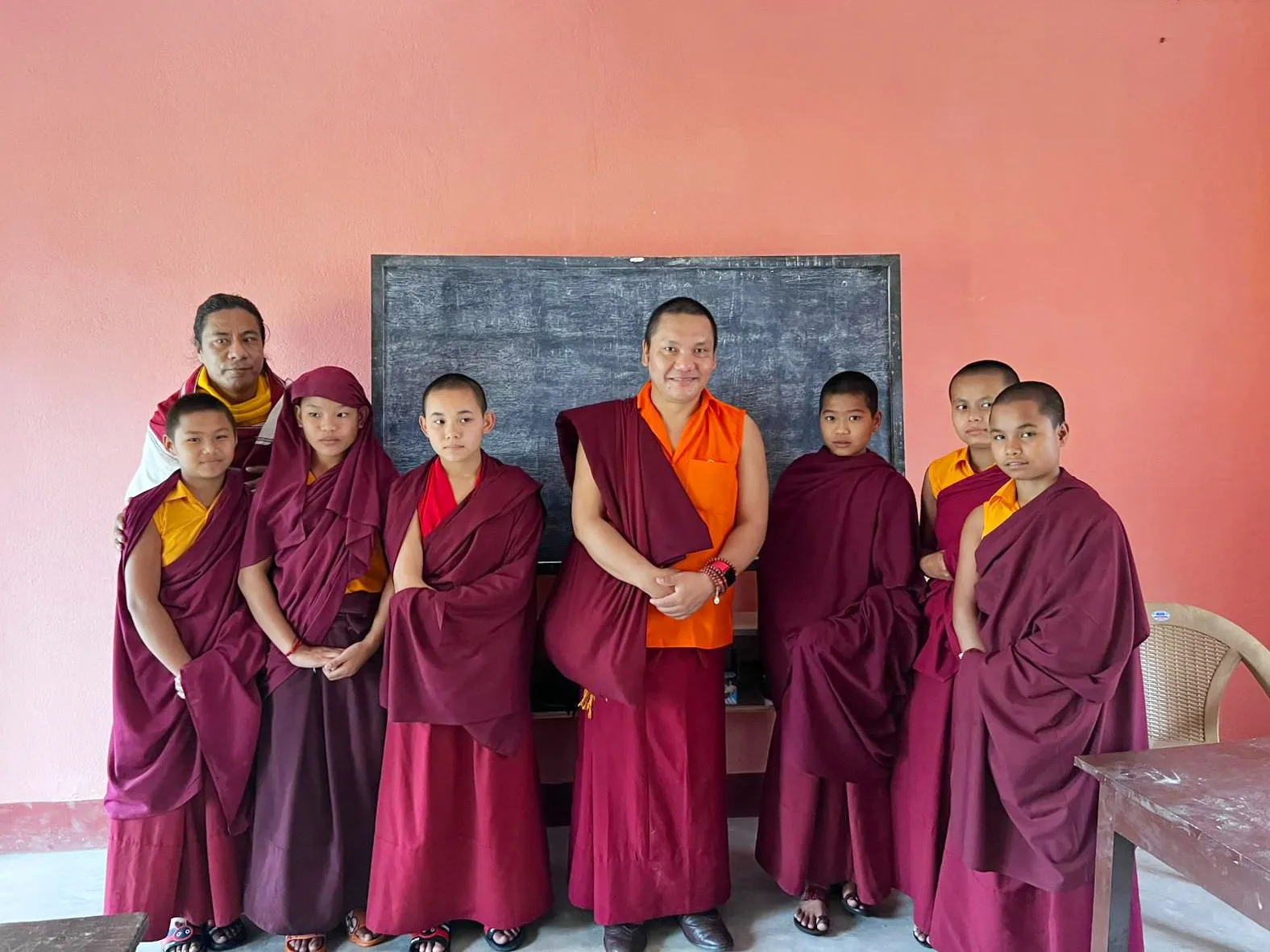
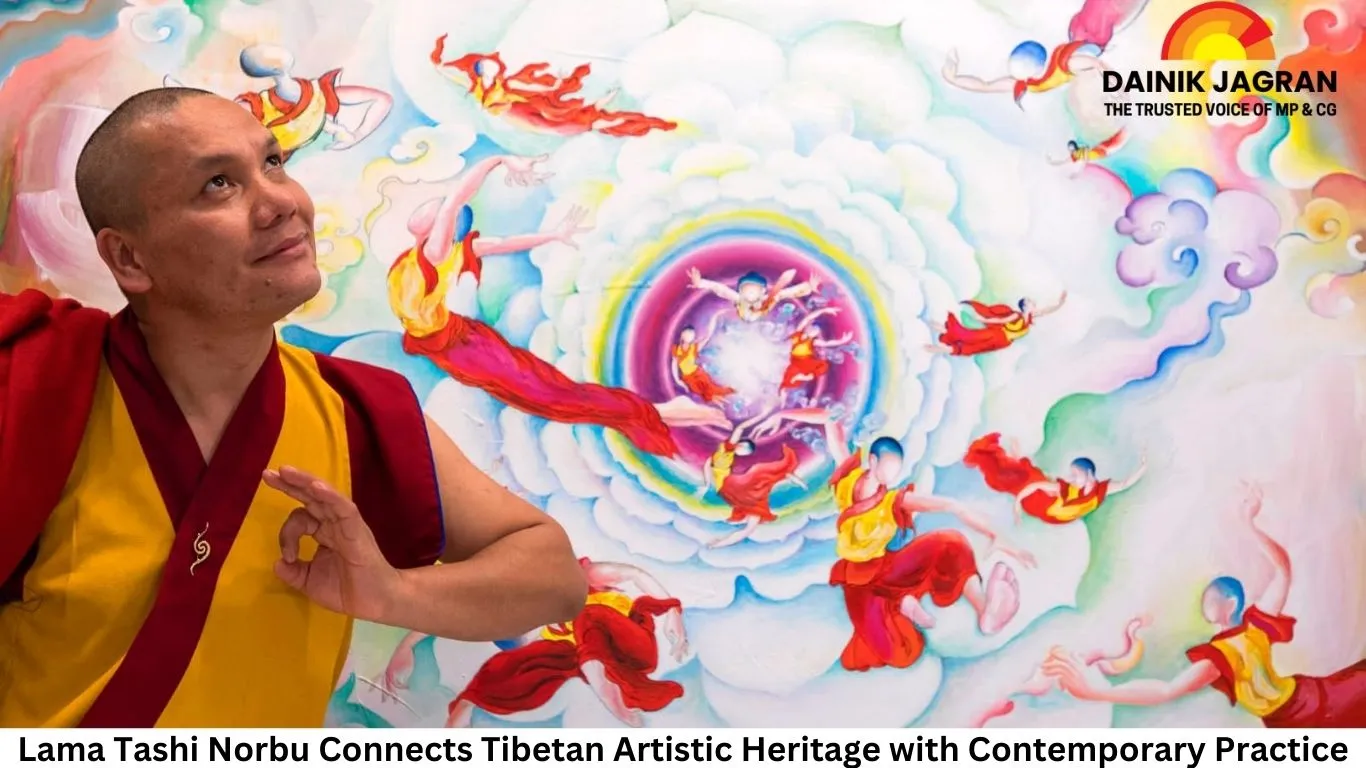
Today, Lama Tashi Norbu is internationally recognized for integrating traditional Tibetan aesthetics with contemporary expression. In 2017, he founded the world’s first Museum of Contemporary Tibetan Art in Emmen, the Netherlands, as well as the Museum of Tibetan Art and Culture in Santa Barbara, California. His work draws inspiration from the ancient Lama Mani storytelling tradition, using visual narratives to communicate Buddhist ethics, compassion, and the law of karma. He is also known for his large-scale “Urban Buddha” sculptures, created from recycled materials and installed in public spaces across India, Europe, and the United States to raise awareness of environmental issues.
Beyond the art world, Lama Tashi Norbu is involved in grassroots humanitarian work. Last summer in Bodh Gaya, a group associated with him encountered children from nearby slum communities begging along the roads. After unsuccessful attempts to secure help through local authorities, the group initiated a small creative project, paying the children to cut printed paper flowers that were later assembled into a Buddha image. Parents also participated, helping their children complete the work.
The results were immediate. The children returned daily cleaner and more confident, no longer relying on begging. The initiative soon expanded into an educational support program, with volunteers helping secure school placements, uniforms, books, and supplies. To date, sponsors have been found for six girls, with one additional child still awaiting support.
Lama Tashi Norbu plans to continue this work through future journeys to Bodh Gaya and the Himalayan region, offering participants opportunities to engage directly with these community projects. For him, the initiative is deeply personal. Having grown up as a Tibetan refugee living and studying in tent settlements, he describes the work as a karmic act of giving back—transforming compassion into action for the benefit of all sentient beings.

Lama Tashi Norbu Connects Tibetan Artistic Heritage with Contemporary Practice
Digital Desk
Born on July 7, 1974, in the Jigmenang Valley of Bhutan, Lama Tashi Norbu was raised in a family deeply rooted in spiritual practice. Family elders believed his artistic destiny was foretold early on: his grandfather predicted he would become a Lhabdri, or painter of divine beings, while his grandmother, a respected female Lama, was believed to have attained the rainbow body at the time of her death. These early influences shaped his lifelong dedication to Buddhist philosophy and art.
His life was profoundly affected by Tibet’s modern political history. Following the Chinese invasion of Tibet in 1950 and the 1959 uprising that forced the 14th Dalai Lama and tens of thousands of Tibetans into exile, Tibetan cultural life faced widespread suppression. In 1981, Lama Tashi Norbu and his family relocated to Dharamshala, India, now the center of the Tibetan government-in-exile.
There, he received a dual education, studying Buddhist philosophy alongside traditional Tibetan art. He later worked as a painter at the private residence of His Holiness the 14th Dalai Lama and continued his training at Tai Situ Rinpoche’s monastery. After completing his formal Thangka education in India, Lama Tashi Norbu expanded his artistic studies in Europe, including at the St. Lucas Academy of Visual Arts in Ghent, Belgium.
Today, Lama Tashi Norbu is internationally recognized for integrating traditional Tibetan aesthetics with contemporary expression. In 2017, he founded the world’s first Museum of Contemporary Tibetan Art in Emmen, the Netherlands, as well as the Museum of Tibetan Art and Culture in Santa Barbara, California. His work draws inspiration from the ancient Lama Mani storytelling tradition, using visual narratives to communicate Buddhist ethics, compassion, and the law of karma. He is also known for his large-scale “Urban Buddha” sculptures, created from recycled materials and installed in public spaces across India, Europe, and the United States to raise awareness of environmental issues.
Beyond the art world, Lama Tashi Norbu is involved in grassroots humanitarian work. Last summer in Bodh Gaya, a group associated with him encountered children from nearby slum communities begging along the roads. After unsuccessful attempts to secure help through local authorities, the group initiated a small creative project, paying the children to cut printed paper flowers that were later assembled into a Buddha image. Parents also participated, helping their children complete the work.
The results were immediate. The children returned daily cleaner and more confident, no longer relying on begging. The initiative soon expanded into an educational support program, with volunteers helping secure school placements, uniforms, books, and supplies. To date, sponsors have been found for six girls, with one additional child still awaiting support.
Lama Tashi Norbu plans to continue this work through future journeys to Bodh Gaya and the Himalayan region, offering participants opportunities to engage directly with these community projects. For him, the initiative is deeply personal. Having grown up as a Tibetan refugee living and studying in tent settlements, he describes the work as a karmic act of giving back—transforming compassion into action for the benefit of all sentient beings.

.jpg)