Monsoon Disease Prevention: Natural Health Tips from Experts for 2026
Digital Desk
Learn natural disease prevention tips for monsoon from health experts. Stay safe from dengue, flu and waterborne infections with these essential health hacks.
With the 2026 monsoon season bringing erratic rainfall and high humidity across India, health authorities are warning citizens about the rising risk of seasonal diseases. Communicable diseases have claimed 186 lives in Kerala this year, with 48 deaths reported in the first 20 days of June alone. Health experts warn that cases of Shigella, influenza, dengue fever and other illnesses may worsen in the coming months.
Understanding the Disease Risk
The current monsoon pattern, characterised by fluctuating rainfall, high humidity and stagnant water, is linked to a rise in respiratory illnesses, allergies and water-borne infections. According to Dr Sneha Tirpude, Senior Consultant Pulmonologist, changing weather patterns can aggravate allergies, asthma and seasonal infections, making preventive care more important than ever.
Safe Drinking Water
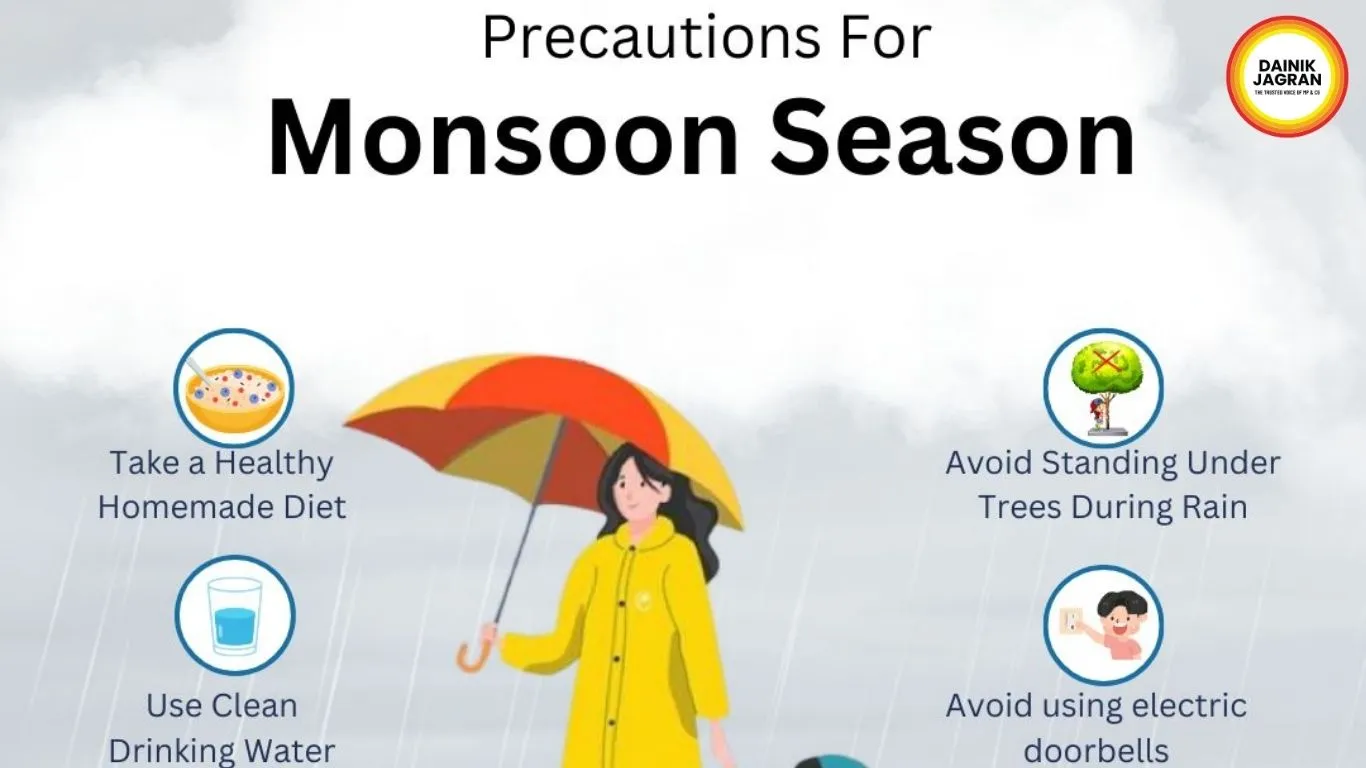
Health advisories across states stress the importance of preventing waterborne diseases such as acute gastroenteritis, jaundice and typhoid by consuming filtered or boiled water. Drinking clean, filtered water and avoiding cut fruits or uncovered street food that may have been exposed to contaminated water are essential precautions.
Mosquito Protection
Dr Meenu Singh, Executive Director of AIIMS Rishikesh, warned that stagnant water following monsoon can increase the risk of mosquito-borne diseases such as dengue. “Mosquitoes breed in the water that accumulates. This causes fever and other problems,” she said.
Before chemical mosquito repellents existed, Indian households relied on herbal fumigation using neem leaves, dried herbs and natural resins. This ancient practice is being rediscovered as an effective natural alternative. For better protection, experts recommend combining herbal fumigation with practical habits like removing stagnant water, installing window screens and wearing full-sleeved clothing during evenings.
Haryana's Anti-Dengue Campaign
Haryana Health Minister Arti Singh Rao urged people to take preventive measures against dengue during monsoon and appealed to citizens to observe July as “Anti-Dengue Month”. Residents were advised to dry water containers, coolers, overhead tanks, refrigerator trays and flower pots. The Rohtak district administration launched a “Dry Friday” drive to eliminate stagnant water sources every Friday.
Personal Hygiene
Dr Singh advised washing hands with soap before eating and maintaining food hygiene. “If the food is not kept clean, it can affect the stomach. It is better to eat home-made food,” she added.
Regular handwashing, cleaning shared desks and surfaces, and staying updated on vaccinations can help reduce the spread of infections. Health experts note that annual influenza vaccination is particularly valuable for older adults, individuals with chronic health conditions, healthcare workers and those with frequent large-group interactions.
Skin and Fungal Infections
Dr Sharma emphasises that prevention of fungal infections lies in following good hygiene practices. The skin should be kept dry and clean, especially after bath or when the skin gets drenched in rain. Cotton clothing should be worn, and one should wear different socks each day along with changing wet clothes.
What the Experts Say
Dr Anish emphasises that the focus should be on preventing infections. “The number of deaths is proportionate to the number of cases. So the focus should be on prevention. We need specific programmes,” he says. Dr Rajeev Jayadevan adds that effective interventions, sanitation and cleaning drives play a significant role in preventing the spread of communicable diseases.
Staying Safe Through the Season
With the monsoon expected to continue in the coming days, health authorities are advising citizens to remain cautious, keep their surroundings clean and prioritise preventive care. By following these natural disease prevention tips and maintaining good hygiene, Indians can enjoy a healthy monsoon season in 2026.

--------
🚨 Beat the News Rush – Join Now!
Get breaking alerts, hot exclusives, and game-changing stories instantly on your phone. No delays, no fluff – just the edge you need. ⚡
Tap to join:
🟢 WhatsApp Channel: Dainik Jagran MP CG
Crave more?
🅕 Facebook: Dainik Jagran MP CG English
🅧 Twitter (X): Dainik Jagran MP CG
🅘 Instagram: Dainik Jagran MP CG
Share the fire – keep your crew ahead! 🗞️🔥
Monsoon Disease Prevention: Natural Health Tips from Experts for 2026
Digital Desk
With the 2026 monsoon season bringing erratic rainfall and high humidity across India, health authorities are warning citizens about the rising risk of seasonal diseases. Communicable diseases have claimed 186 lives in Kerala this year, with 48 deaths reported in the first 20 days of June alone. Health experts warn that cases of Shigella, influenza, dengue fever and other illnesses may worsen in the coming months.
Understanding the Disease Risk
The current monsoon pattern, characterised by fluctuating rainfall, high humidity and stagnant water, is linked to a rise in respiratory illnesses, allergies and water-borne infections. According to Dr Sneha Tirpude, Senior Consultant Pulmonologist, changing weather patterns can aggravate allergies, asthma and seasonal infections, making preventive care more important than ever.
Safe Drinking Water
Health advisories across states stress the importance of preventing waterborne diseases such as acute gastroenteritis, jaundice and typhoid by consuming filtered or boiled water. Drinking clean, filtered water and avoiding cut fruits or uncovered street food that may have been exposed to contaminated water are essential precautions.
Mosquito Protection
Dr Meenu Singh, Executive Director of AIIMS Rishikesh, warned that stagnant water following monsoon can increase the risk of mosquito-borne diseases such as dengue. “Mosquitoes breed in the water that accumulates. This causes fever and other problems,” she said.
Before chemical mosquito repellents existed, Indian households relied on herbal fumigation using neem leaves, dried herbs and natural resins. This ancient practice is being rediscovered as an effective natural alternative. For better protection, experts recommend combining herbal fumigation with practical habits like removing stagnant water, installing window screens and wearing full-sleeved clothing during evenings.
Haryana's Anti-Dengue Campaign
Haryana Health Minister Arti Singh Rao urged people to take preventive measures against dengue during monsoon and appealed to citizens to observe July as “Anti-Dengue Month”. Residents were advised to dry water containers, coolers, overhead tanks, refrigerator trays and flower pots. The Rohtak district administration launched a “Dry Friday” drive to eliminate stagnant water sources every Friday.
Personal Hygiene
Dr Singh advised washing hands with soap before eating and maintaining food hygiene. “If the food is not kept clean, it can affect the stomach. It is better to eat home-made food,” she added.
Regular handwashing, cleaning shared desks and surfaces, and staying updated on vaccinations can help reduce the spread of infections. Health experts note that annual influenza vaccination is particularly valuable for older adults, individuals with chronic health conditions, healthcare workers and those with frequent large-group interactions.
Skin and Fungal Infections
Dr Sharma emphasises that prevention of fungal infections lies in following good hygiene practices. The skin should be kept dry and clean, especially after bath or when the skin gets drenched in rain. Cotton clothing should be worn, and one should wear different socks each day along with changing wet clothes.
What the Experts Say
Dr Anish emphasises that the focus should be on preventing infections. “The number of deaths is proportionate to the number of cases. So the focus should be on prevention. We need specific programmes,” he says. Dr Rajeev Jayadevan adds that effective interventions, sanitation and cleaning drives play a significant role in preventing the spread of communicable diseases.
Staying Safe Through the Season
With the monsoon expected to continue in the coming days, health authorities are advising citizens to remain cautious, keep their surroundings clean and prioritise preventive care. By following these natural disease prevention tips and maintaining good hygiene, Indians can enjoy a healthy monsoon season in 2026.