.jpg)
Indian Railways Launches Ambitious Reforms on 14 July 2026 to Modernize Freight & Operations
In a significant move to enhance efficiency, reduce pollution, and promote innovation, Indian Railways today announced a series of reforms aimed at modernizing freight transportation, container operations, and project execution. These changes are expected to boost modal share of rail in key commodities, encourage private participation, and support sustainable development.
Here is a concise summary of the major reforms:
Reform 10: Fly Ash Transportation
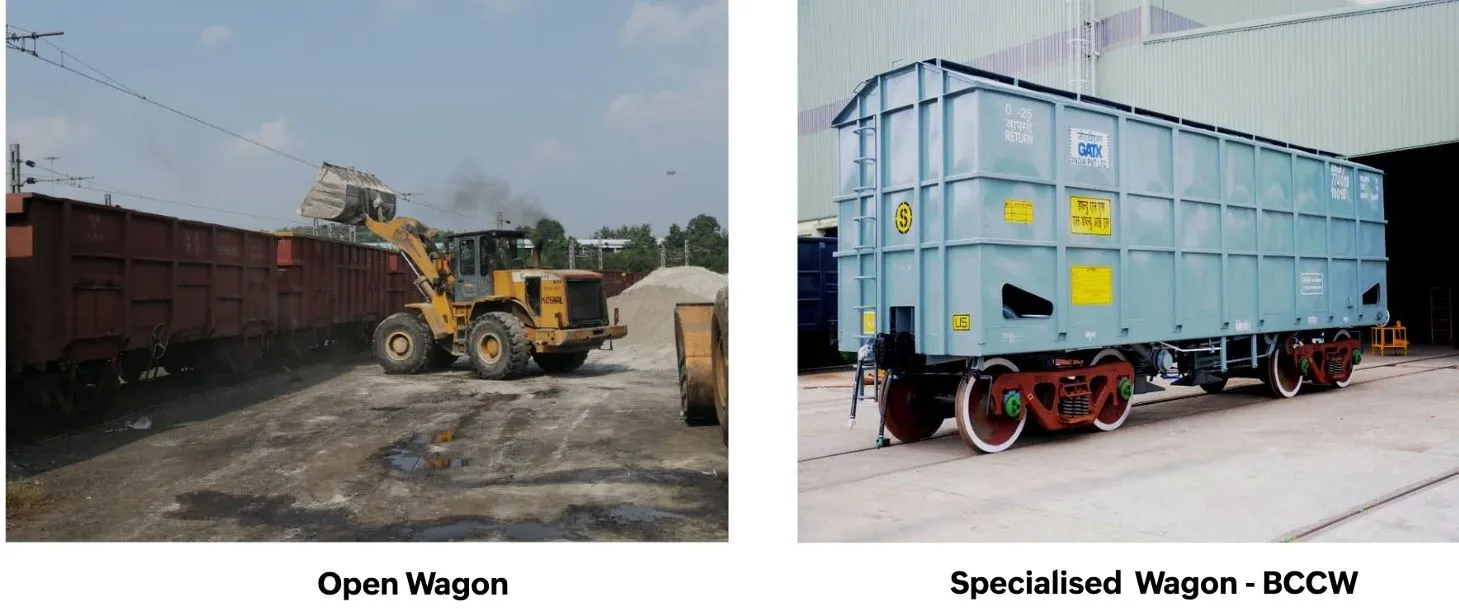
- Current Scenario: India generates ~340 million MT of fly ash annually; only ~4% (13 million MT in FY 2025-26) moves by rail, mostly in open wagons causing pollution.
- New Approach: Promote transportation in closed containers. Benefits include zero pollution during transit/storage, easy pneumatic unloading, and flexible handling via reach stacker cranes. Containers can be stored at cement plants without environmental issues.
Reform 11: Reforms in Container Sector
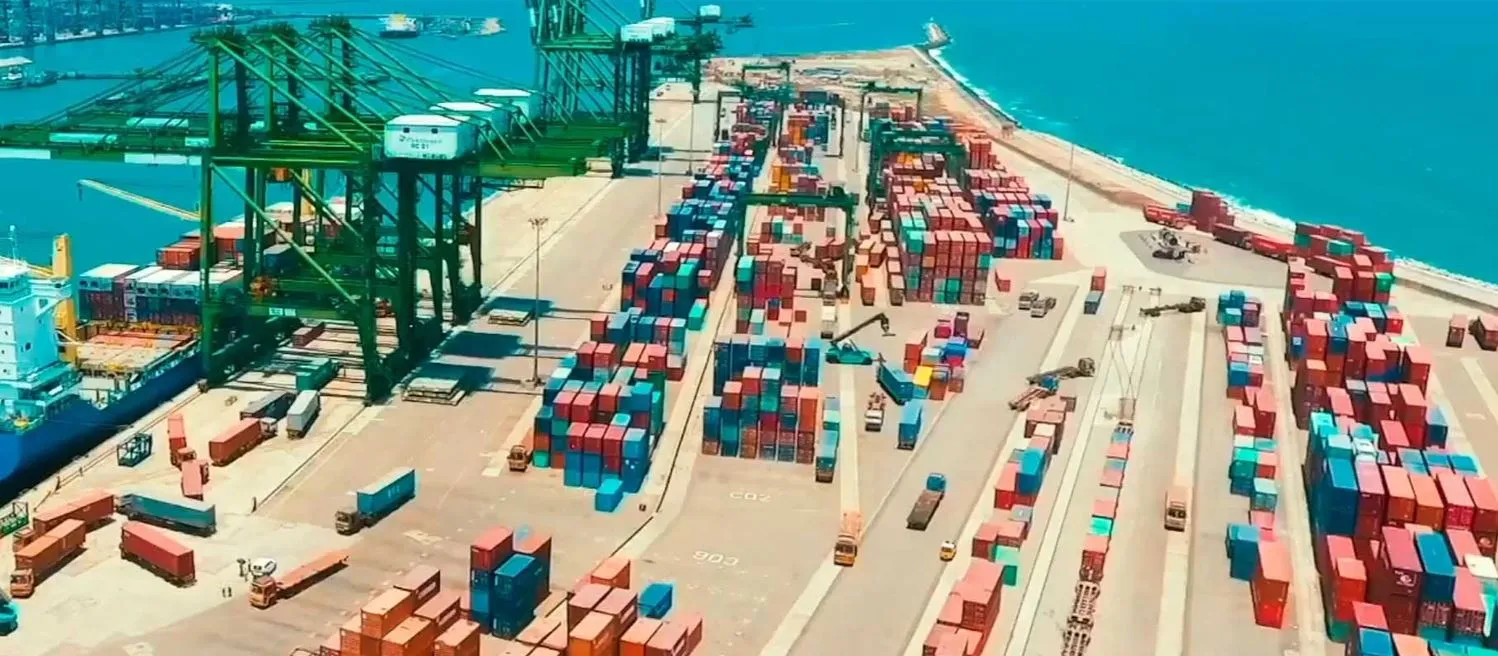
- Unified License: Single all-India Container Train Operator (CTO) license for the entire IR network.
- Simplified Fees: Uniform non-refundable registration fee of ₹25 crores (reduced from higher tiered amounts).
- Long-term Ease: Automatic extension after 20 years of successful operations with no renewal fees.
Reform 12: Fertilizer Transportation
- Simplified freight structure (per km per ton with flat-tapering-flat model replacing 50 slabs).
- Fertilizers now permitted in containers for easier handling, non-polluting storage, and flexible distribution without detaining entire rakes. Railways currently handle ~85% of fertilizer movement.
Reform 13: Policy for Skilling Artisans in Railway Projects
- Introduces a structured Skill Certification Framework for contractor-executed works.
- Trade-wise skill assessment (practical + oral), QR code-enabled certificates, fast-track process, and re-test options.
- Only certified artisans/supervisors will handle safety-sensitive and precision railway works. Aims to standardize skills, ensure quality, and promote national craftsmanship.
Reform 14: Construction Reforms
- Performance security (10%) upfront with no later deductions from running bills.
- Stronger eligibility criteria, mandatory insurances (Contractor’s All Risk & Professional Indemnity).
- Phased land handover.
- Rail Bhoomi platform for digital land acquisition with dashboards and integration with other railway systems.
Reform 15: Policy for Wagon Design Approval
- Industry can now propose and design new wagons.
- Streamlined RDSO evaluation → prototype → test rake → field trials → induction process.
- Enables specialized wagons for industry needs and fosters innovation in wagon manufacturing.
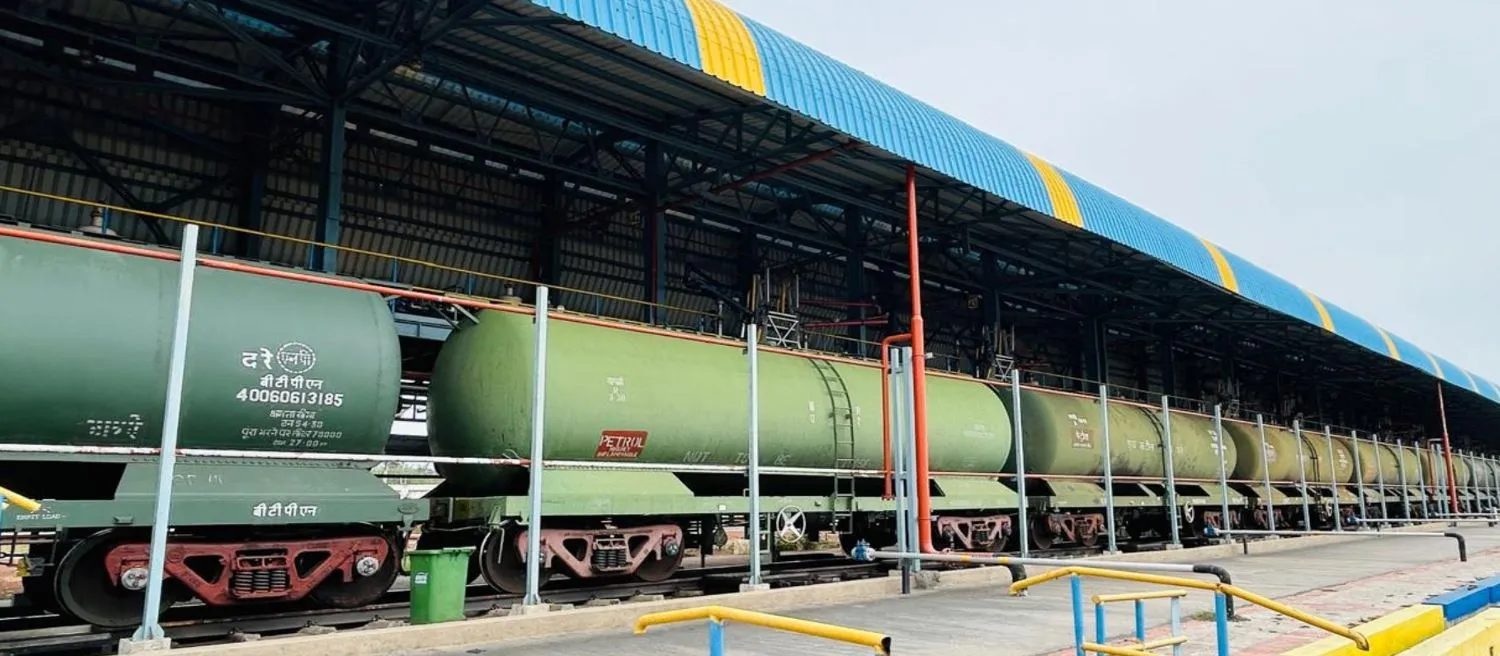
Reform 16: Petroleum Products Transportation
- Oil companies can procure or lease specialized tank wagons.
- Greater flexibility for new designs to meet specific requirements and simplify logistics.
Reform 17: Foodgrains, Flour & Pulses Transportation
- Allowed in containers to prevent contamination and enable flexible storage/distribution.
- Simplified per ton per km freight rates.
These reforms collectively aim to make rail freight more competitive, environmentally friendly, and attractive for private investment while addressing long-standing operational bottlenecks.
The announcement underscores the government’s commitment to transforming Indian Railways into a modern, efficient, and sustainable backbone of the nation’s logistics sector.
Stay updated with further implementation details from official Railway sources.

.jpg)
Indian Railways Unveils Major Reforms on 14 July 2026 to Boost Freight, Containers & Efficiency | Full Details
Digital Desk
Indian Railways Launches Ambitious Reforms on 14 July 2026 to Modernize Freight & Operations
In a significant move to enhance efficiency, reduce pollution, and promote innovation, Indian Railways today announced a series of reforms aimed at modernizing freight transportation, container operations, and project execution. These changes are expected to boost modal share of rail in key commodities, encourage private participation, and support sustainable development.
Here is a concise summary of the major reforms:
Reform 10: Fly Ash Transportation
- Current Scenario: India generates ~340 million MT of fly ash annually; only ~4% (13 million MT in FY 2025-26) moves by rail, mostly in open wagons causing pollution.
- New Approach: Promote transportation in closed containers. Benefits include zero pollution during transit/storage, easy pneumatic unloading, and flexible handling via reach stacker cranes. Containers can be stored at cement plants without environmental issues.
Reform 11: Reforms in Container Sector
- Unified License: Single all-India Container Train Operator (CTO) license for the entire IR network.
- Simplified Fees: Uniform non-refundable registration fee of ₹25 crores (reduced from higher tiered amounts).
- Long-term Ease: Automatic extension after 20 years of successful operations with no renewal fees.
Reform 12: Fertilizer Transportation
- Simplified freight structure (per km per ton with flat-tapering-flat model replacing 50 slabs).
- Fertilizers now permitted in containers for easier handling, non-polluting storage, and flexible distribution without detaining entire rakes. Railways currently handle ~85% of fertilizer movement.
Reform 13: Policy for Skilling Artisans in Railway Projects
- Introduces a structured Skill Certification Framework for contractor-executed works.
- Trade-wise skill assessment (practical + oral), QR code-enabled certificates, fast-track process, and re-test options.
- Only certified artisans/supervisors will handle safety-sensitive and precision railway works. Aims to standardize skills, ensure quality, and promote national craftsmanship.
Reform 14: Construction Reforms
- Performance security (10%) upfront with no later deductions from running bills.
- Stronger eligibility criteria, mandatory insurances (Contractor’s All Risk & Professional Indemnity).
- Phased land handover.
- Rail Bhoomi platform for digital land acquisition with dashboards and integration with other railway systems.
Reform 15: Policy for Wagon Design Approval
- Industry can now propose and design new wagons.
- Streamlined RDSO evaluation → prototype → test rake → field trials → induction process.
- Enables specialized wagons for industry needs and fosters innovation in wagon manufacturing.
Reform 16: Petroleum Products Transportation
- Oil companies can procure or lease specialized tank wagons.
- Greater flexibility for new designs to meet specific requirements and simplify logistics.
Reform 17: Foodgrains, Flour & Pulses Transportation
- Allowed in containers to prevent contamination and enable flexible storage/distribution.
- Simplified per ton per km freight rates.
These reforms collectively aim to make rail freight more competitive, environmentally friendly, and attractive for private investment while addressing long-standing operational bottlenecks.
The announcement underscores the government’s commitment to transforming Indian Railways into a modern, efficient, and sustainable backbone of the nation’s logistics sector.
Stay updated with further implementation details from official Railway sources.