India military modernisation praised at Shangri‑La
Digital Desk
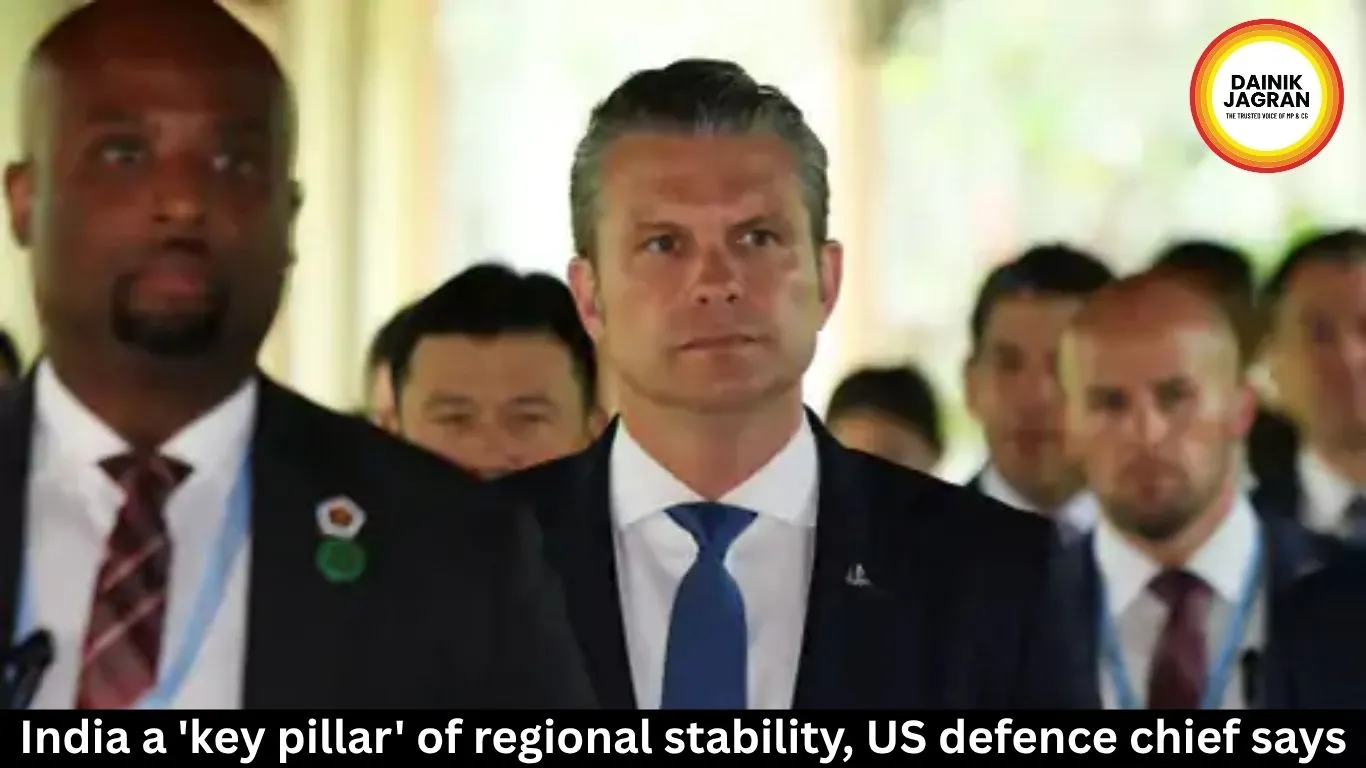
US Defence Secretary Pete Hegseth called India a “key pillar of regional stability,” highlighting India military modernisation and deeper US‑India defence ties.
Pete Hegseth praises India’s military modernisation and deeper US-India defence ties at Shangri-La Dialogue
India a strategic anchor
India has emerged as “a key pillar of regional stability,” US Defence Secretary Pete Hegseth said on Saturday at the Shangri‑La Dialogue, praising New Delhi’s rapid military modernisation and expanding defence cooperation with Washington. The remarks, made on the second day of the security summit, underscored growing US recognition of India’s role in balancing power across the Indo‑Pacific and the Indian Ocean.
Why India matters now
“In South Asia, India is a critical anchor to hold the line,” Hegseth told delegates in the morning session, according to an official readout. He argued that a stronger India acting in its own strategic interest helps advance shared goals of deterrence and regional balance, particularly as countries face more complex maritime and territorial security challenges.
Growing military strength
Hegseth highlighted India’s modernisation drive, saying New Delhi is building the capabilities needed “to carry its share of the security burden, particularly in the Indian Ocean.” He pointed to improvements across platforms and logistics and noted India’s expanding ability to sustain high‑end operations — a shift that US officials say reduces single‑point dependencies in the region.
Defence industrial base expands
The US defence chief emphasised India’s growing defence‑industrial capacity, including infrastructure to repair and maintain complex platforms. “It’s building out the heavy industrial and logistics capacity to sustain high‑end military operations, including the ability to repair and maintain our shared platforms and support US Navy vessels operating forward in the theatre,” Hegseth said.
Co-production and interoperability
Washington and New Delhi are also deepening practical cooperation, Hegseth said. He named joint production initiatives as an area of focus and referenced plans for co-production of systems such as Javelin anti‑tank guided munitions. “Real, tangible steps to improve the collective readiness of our forces,” he added, reflecting wider Pentagon efforts to boost interoperability with partner militaries.
Regional context and concerns
Hegseth framed the Indo‑Pacific as the world’s most consequential region and urged partners to strengthen defence preparedness. The comments came amid heightened attention to great‑power competition in Asia and follow a string of diplomatic and military moves by regional actors. “No single nation should be allowed to dominate the region,” he said, referencing broader US strategic aims without naming specific countries.
US defence investment push
The Defence Secretary used the platform to outline an ambitious expansion of American defence spending and manufacturing. He described a “historic national manufacturing mobilisation” to produce weapons at scale and speed. Citing the administration’s planned budget increases, Hegseth said the US would invest heavily to expand what he called “America’s arsenal of freedom” and to sustain military readiness over coming decades.
Ground reactions and implications
Analysts at the summit said Hegseth’s tone reflected a pragmatic US turn toward partnerships rather than unilateral commitments. For India, closer operational ties and co‑production deals could accelerate technology transfers and bolster indigenous defence firms — a boost for Prime Minister Narendra Modi’s Make in India and Atmanirbhar Bharat initiatives.
What comes next
Officials familiar with the matter said both sides expect more joint exercises, logistics agreements, and co‑development projects to be announced over the next year. Observers will watch for details on basing access, ship repair arrangements in Indian ports, and progress on specific co‑production contracts, which could signal deeper operational integration.
Why it matters to India
For New Delhi, enhanced cooperation offers tools to safeguard maritime trade routes, deter coercion, and modernise its forces without sole dependence on any single external supplier. For the broader region, US‑India convergence strengthens the network of partnerships Washington is building to preserve a rules‑based order in the Indo‑Pacific.

--------
🚨 Beat the News Rush – Join Now!
Get breaking alerts, hot exclusives, and game-changing stories instantly on your phone. No delays, no fluff – just the edge you need. ⚡
Tap to join:
🟢 WhatsApp Channel: Dainik Jagran MP CG
Crave more?
🅕 Facebook: Dainik Jagran MP CG English
🅧 Twitter (X): Dainik Jagran MP CG
🅘 Instagram: Dainik Jagran MP CG
Share the fire – keep your crew ahead! 🗞️🔥
India military modernisation praised at Shangri‑La
Digital Desk
Pete Hegseth praises India’s military modernisation and deeper US-India defence ties at Shangri-La Dialogue
India a strategic anchor
India has emerged as “a key pillar of regional stability,” US Defence Secretary Pete Hegseth said on Saturday at the Shangri‑La Dialogue, praising New Delhi’s rapid military modernisation and expanding defence cooperation with Washington. The remarks, made on the second day of the security summit, underscored growing US recognition of India’s role in balancing power across the Indo‑Pacific and the Indian Ocean.
Why India matters now
“In South Asia, India is a critical anchor to hold the line,” Hegseth told delegates in the morning session, according to an official readout. He argued that a stronger India acting in its own strategic interest helps advance shared goals of deterrence and regional balance, particularly as countries face more complex maritime and territorial security challenges.
Growing military strength
Hegseth highlighted India’s modernisation drive, saying New Delhi is building the capabilities needed “to carry its share of the security burden, particularly in the Indian Ocean.” He pointed to improvements across platforms and logistics and noted India’s expanding ability to sustain high‑end operations — a shift that US officials say reduces single‑point dependencies in the region.
Defence industrial base expands
The US defence chief emphasised India’s growing defence‑industrial capacity, including infrastructure to repair and maintain complex platforms. “It’s building out the heavy industrial and logistics capacity to sustain high‑end military operations, including the ability to repair and maintain our shared platforms and support US Navy vessels operating forward in the theatre,” Hegseth said.
Co-production and interoperability
Washington and New Delhi are also deepening practical cooperation, Hegseth said. He named joint production initiatives as an area of focus and referenced plans for co-production of systems such as Javelin anti‑tank guided munitions. “Real, tangible steps to improve the collective readiness of our forces,” he added, reflecting wider Pentagon efforts to boost interoperability with partner militaries.
Regional context and concerns
Hegseth framed the Indo‑Pacific as the world’s most consequential region and urged partners to strengthen defence preparedness. The comments came amid heightened attention to great‑power competition in Asia and follow a string of diplomatic and military moves by regional actors. “No single nation should be allowed to dominate the region,” he said, referencing broader US strategic aims without naming specific countries.
US defence investment push
The Defence Secretary used the platform to outline an ambitious expansion of American defence spending and manufacturing. He described a “historic national manufacturing mobilisation” to produce weapons at scale and speed. Citing the administration’s planned budget increases, Hegseth said the US would invest heavily to expand what he called “America’s arsenal of freedom” and to sustain military readiness over coming decades.
Ground reactions and implications
Analysts at the summit said Hegseth’s tone reflected a pragmatic US turn toward partnerships rather than unilateral commitments. For India, closer operational ties and co‑production deals could accelerate technology transfers and bolster indigenous defence firms — a boost for Prime Minister Narendra Modi’s Make in India and Atmanirbhar Bharat initiatives.
What comes next
Officials familiar with the matter said both sides expect more joint exercises, logistics agreements, and co‑development projects to be announced over the next year. Observers will watch for details on basing access, ship repair arrangements in Indian ports, and progress on specific co‑production contracts, which could signal deeper operational integration.
Why it matters to India
For New Delhi, enhanced cooperation offers tools to safeguard maritime trade routes, deter coercion, and modernise its forces without sole dependence on any single external supplier. For the broader region, US‑India convergence strengthens the network of partnerships Washington is building to preserve a rules‑based order in the Indo‑Pacific.