


When Global Brands Go Local: Why Biscoff’s India Entry Has Sparked a Quiet Consumer Conversation
Digital Desk
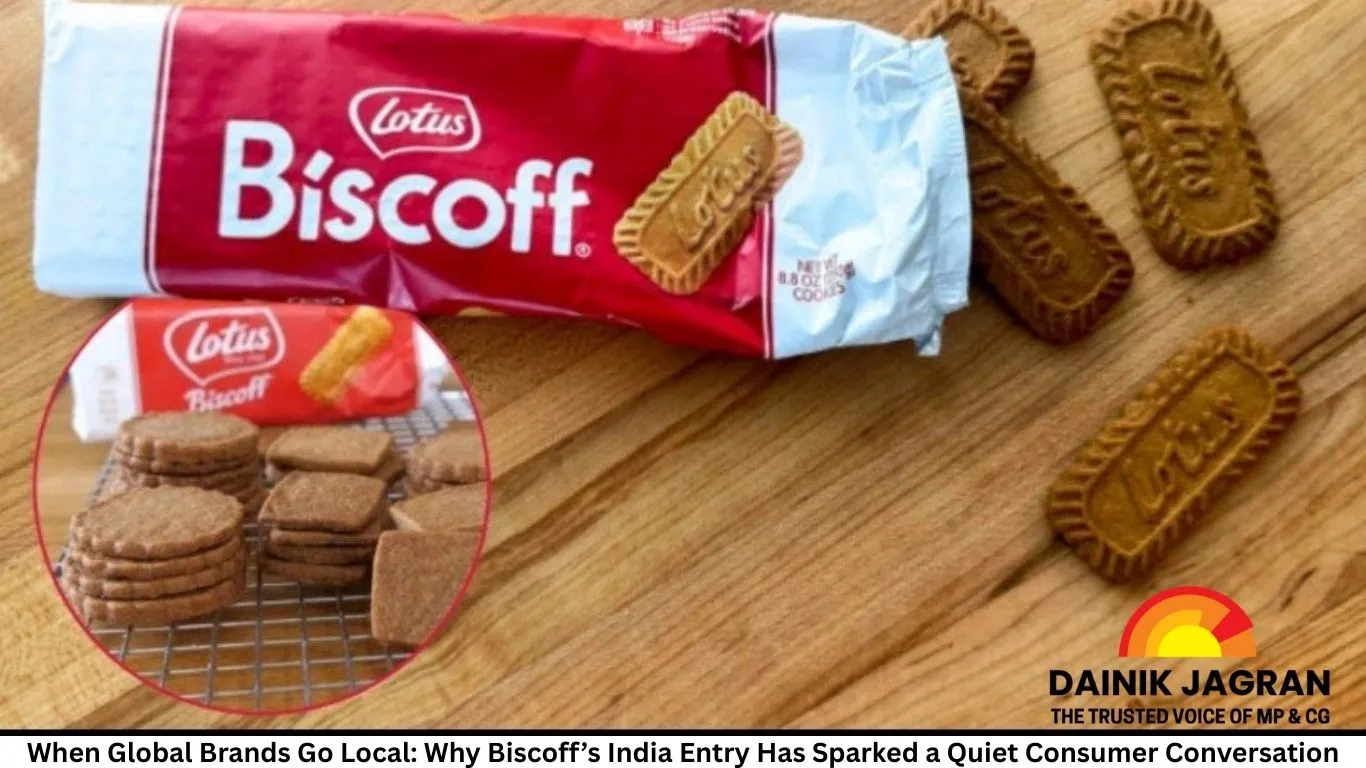
That long-standing perception is what made Biscoff’s official entry into the Indian market a highly anticipated moment. When the globally popular biscuit finally became widely available across Indian retail shelves and e-commerce platforms, consumers expected one simple outcome: greater access without any compromise on experience. However, since its rollout, the brand has found itself at the centre of a growing, largely organic consumer discussion one that reflects broader questions about localisation, value, and trust.
Shortly after Biscoff products became easily accessible in India, social media platforms began hosting a steady stream of consumer observations. Many users who were familiar with imported versions of the biscuit started noting subtle differences in taste. The feedback was not dramatic, nor was it driven by outrage. Instead, it was consistent and measured. Some described the flavour as lighter, others felt the caramelised notes were less pronounced, while a few mentioned a perceived reduction in richness.
Individually, these comments may have seemed insignificant. Collectively, they formed a pattern. Across Instagram reels, comment sections, and review posts, a recurring sentiment emerged: the Biscoff now available in India felt different from the version many remembered.
What makes this conversation notable is that it has not been driven purely by nostalgia. Several consumers claim to have tasted both imported and Indian-market products around the same time, allowing for direct comparison. Their conclusions, while subjective, have largely aligned, lending momentum to the discussion.
Adding weight to the narrative are responses from established food and lifestyle content creators. Mumbai-based creators such as Nikhil, Sarvesh Shrivastava, Chinmay, Sanjay Arora, and baking-focused page Mini Crumbs have shared their impressions after tasting both versions. Their commentary has remained thoughtful rather than confrontational, raising questions around possible localisation in ingredients, sourcing, or cost structures rather than alleging faults.
In today’s digital ecosystem, credibility is often built over years of consistent content and audience trust. When multiple creators with independent followings arrive at similar conclusions, consumer conversations tend to evolve from isolated opinions into a shared experience.
Pricing has also played a role in shaping perception. Globally, Biscoff has long been positioned as a premium biscuit. In India, its entry-level pricing has been relatively accessible, allowing the brand to reach a wider audience in a competitive, price-sensitive market. From a business standpoint, this strategy aligns with scale and penetration. From a consumer psychology perspective, however, affordability can subtly alter expectations.
For many long-time fans, Biscoff was never an everyday biscuit it was a treat. As it becomes more mainstream, some consumers are questioning whether luxury and mass accessibility can coexist without trade-offs. This has shifted the discussion beyond flavour alone to one of perceived value.
Importantly, the debate does not reflect rejection. There have been no calls for boycotts or public backlash. Instead, it highlights the evolving nature of Indian consumers, who are increasingly value-conscious rather than merely price-conscious. They understand economies of scale, but they are also quick to notice what they perceive as dilution.
Packaging further complicates the perception. The Indian version closely mirrors Biscoff’s international visual identity, reinforcing an expectation of continuity. When the sensory experience does not fully align with that expectation, even subtly, it becomes part of the consumer narrative.
What is unfolding is less a controversy and more a test of transparency, brand integrity, and how seriously global brands engage with the Indian market. Today’s consumers compare products across borders, document experiences online, and participate in micro-conversations that remain visible long after they are posted.
For Biscoff, this moment presents both a challenge and an opportunity. While some consumers feel something familiar may have changed, there is also growing appreciation for honesty and clarity in food branding. In an era where trust is valued as highly as taste, how brands address such perceptions can shape long-term loyalty.
Ultimately, this conversation is not just about a biscuit. It reflects what happens when a global favourite becomes local and whether it still feels like the one people once fell in love with.
https://www.instagram.com/p/DTfnu1QCLBt/?utm_source=ig_embed&utm_campaign=embed_video_watch_again

-&-samajwadi-party-forge-historic-alliance-for-2027-uttar-pradesh-elections.jpg)


.jpg)




