Medical Surveillance in Hazardous Industries: The Standard That Serious Organisations Cannot Ignore
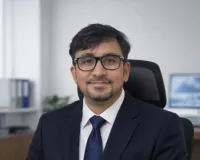
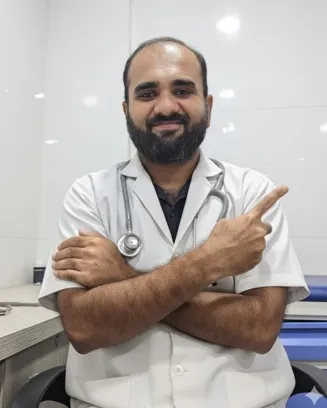
By Dr. Viren Thakkar, MBBS, CIH & Founder – VR Occupational Health Clinic
Industrial growth has always carried invisible risk. The true measure of a mature industrial ecosystem is not the absence of hazard, but the discipline with which hazard is monitored.
In hazardous processes, whether involving chromium in electroplating, lead in battery manufacturing, silica in foundries, benzene in chemical environments or sustained high-decibel exposure, biological impact is rarely immediate. It accumulates. It alters physiology quietly. It reveals itself late.
The science behind exposure is well established. Chromium, nickel and cadmium require structured biological monitoring, including periodic urine metal analysis. Lead exposure demands disciplined blood lead level surveillance and neurological assessment. Silica exposure necessitates spirometry and imaging to detect early pulmonary compromise. Asbestos handling requires lung function monitoring and radiological evaluation. High-noise environments demand systematic audiometry to prevent irreversible auditory damage. These are not optional enhancements. They are non-negotiable scientific safeguards.
Yet in practice, occupational health is still too often reduced to documentation compliance. Tests are performed. Certificates are issued. Registers are maintained. The appearance of oversight substitutes for the reality of prevention. Prevention begins where paperwork ends.
Medical surveillance in hazardous industries is not an administrative exercise; it is a feedback system. Pre-placement evaluation establishes biological baselines. Periodic monitoring detects deviation from those baselines. What determines seriousness is what follows. If elevated blood lead levels do not trigger exposure pathway reassessment, surveillance is cosmetic. If declining spirometry does not prompt engineering review, surveillance is symbolic.
A structured occupational health system integrates engineering controls, exposure assessment and medical interpretation into one coherent loop. It does not isolate them. The Factory Medical Officer is therefore not a certifying signatory, but a risk interpreter, responsible for translating biological markers into operational insight and maintaining structured health documentation within prescribed registers.
The regulatory framework governing dangerous processes recognises this seriousness. It prescribes defined medical surveillance protocols, structured record maintenance and empowers inspection authorities to enforce safeguards where exposure control is inadequate. These provisions are not punitive; they are protective.
The gap between compliant and serious organisations is subtle but decisive. Compliant organisations conduct required tests. Serious organisations design surveillance systems. Compliant organisations maintain registers. Serious organisations analyse them. Compliant organisations respond when instructed. Serious organisations intervene before thresholds are crossed.
Industrial health is no longer an isolated welfare function. In an era of tightening governance expectations and increasingly structured oversight, medical surveillance reflects organisational maturity. A weak surveillance system signals operational fragility. A strong one signals control.
Hazardous industries will continue to expand. Exposure science will continue to evolve. The organisations that endure will be those that treat occupational health not as statutory overhead, but as operational intelligence.
In high-risk environments, prevention is not a checklist. It is architecture. And architecture defines leadership.
Dr. Viren Thakkar, MBBS, CIH & Founder – VR Occupational Health Clinic
LinkedIn: Dr. Viren Thakkar Profile
WhatsApp/Mobile: +91 9228897875
Ankit Chothani, Co-founder – VR Occupational Health Clinic
LinkedIn: Ankit Chothani Profile
WhatsApp/Mobile: +91 9833370569

--------
🚨 Beat the News Rush – Join Now!
Get breaking alerts, hot exclusives, and game-changing stories instantly on your phone. No delays, no fluff – just the edge you need. ⚡
Tap to join:
🟢 WhatsApp Channel: Dainik Jagran MP CG
Crave more?
🅕 Facebook: Dainik Jagran MP CG English
🅧 Twitter (X): Dainik Jagran MP CG
🅘 Instagram: Dainik Jagran MP CG
Share the fire – keep your crew ahead! 🗞️🔥
Medical Surveillance in Hazardous Industries: The Standard That Serious Organisations Cannot Ignore
By Dr. Viren Thakkar, MBBS, CIH & Founder – VR Occupational Health Clinic
Industrial growth has always carried invisible risk. The true measure of a mature industrial ecosystem is not the absence of hazard, but the discipline with which hazard is monitored.
In hazardous processes, whether involving chromium in electroplating, lead in battery manufacturing, silica in foundries, benzene in chemical environments or sustained high-decibel exposure, biological impact is rarely immediate. It accumulates. It alters physiology quietly. It reveals itself late.
The science behind exposure is well established. Chromium, nickel and cadmium require structured biological monitoring, including periodic urine metal analysis. Lead exposure demands disciplined blood lead level surveillance and neurological assessment. Silica exposure necessitates spirometry and imaging to detect early pulmonary compromise. Asbestos handling requires lung function monitoring and radiological evaluation. High-noise environments demand systematic audiometry to prevent irreversible auditory damage. These are not optional enhancements. They are non-negotiable scientific safeguards.
Yet in practice, occupational health is still too often reduced to documentation compliance. Tests are performed. Certificates are issued. Registers are maintained. The appearance of oversight substitutes for the reality of prevention. Prevention begins where paperwork ends.
Medical surveillance in hazardous industries is not an administrative exercise; it is a feedback system. Pre-placement evaluation establishes biological baselines. Periodic monitoring detects deviation from those baselines. What determines seriousness is what follows. If elevated blood lead levels do not trigger exposure pathway reassessment, surveillance is cosmetic. If declining spirometry does not prompt engineering review, surveillance is symbolic.
A structured occupational health system integrates engineering controls, exposure assessment and medical interpretation into one coherent loop. It does not isolate them. The Factory Medical Officer is therefore not a certifying signatory, but a risk interpreter, responsible for translating biological markers into operational insight and maintaining structured health documentation within prescribed registers.
The regulatory framework governing dangerous processes recognises this seriousness. It prescribes defined medical surveillance protocols, structured record maintenance and empowers inspection authorities to enforce safeguards where exposure control is inadequate. These provisions are not punitive; they are protective.
The gap between compliant and serious organisations is subtle but decisive. Compliant organisations conduct required tests. Serious organisations design surveillance systems. Compliant organisations maintain registers. Serious organisations analyse them. Compliant organisations respond when instructed. Serious organisations intervene before thresholds are crossed.
Industrial health is no longer an isolated welfare function. In an era of tightening governance expectations and increasingly structured oversight, medical surveillance reflects organisational maturity. A weak surveillance system signals operational fragility. A strong one signals control.
Hazardous industries will continue to expand. Exposure science will continue to evolve. The organisations that endure will be those that treat occupational health not as statutory overhead, but as operational intelligence.
In high-risk environments, prevention is not a checklist. It is architecture. And architecture defines leadership.
Dr. Viren Thakkar, MBBS, CIH & Founder – VR Occupational Health Clinic
LinkedIn: Dr. Viren Thakkar Profile
WhatsApp/Mobile: +91 9228897875
Ankit Chothani, Co-founder – VR Occupational Health Clinic
LinkedIn: Ankit Chothani Profile
WhatsApp/Mobile: +91 9833370569