The High Cost of Polarization: How Division Weakens India's Democratic Fabric

Digital Desk

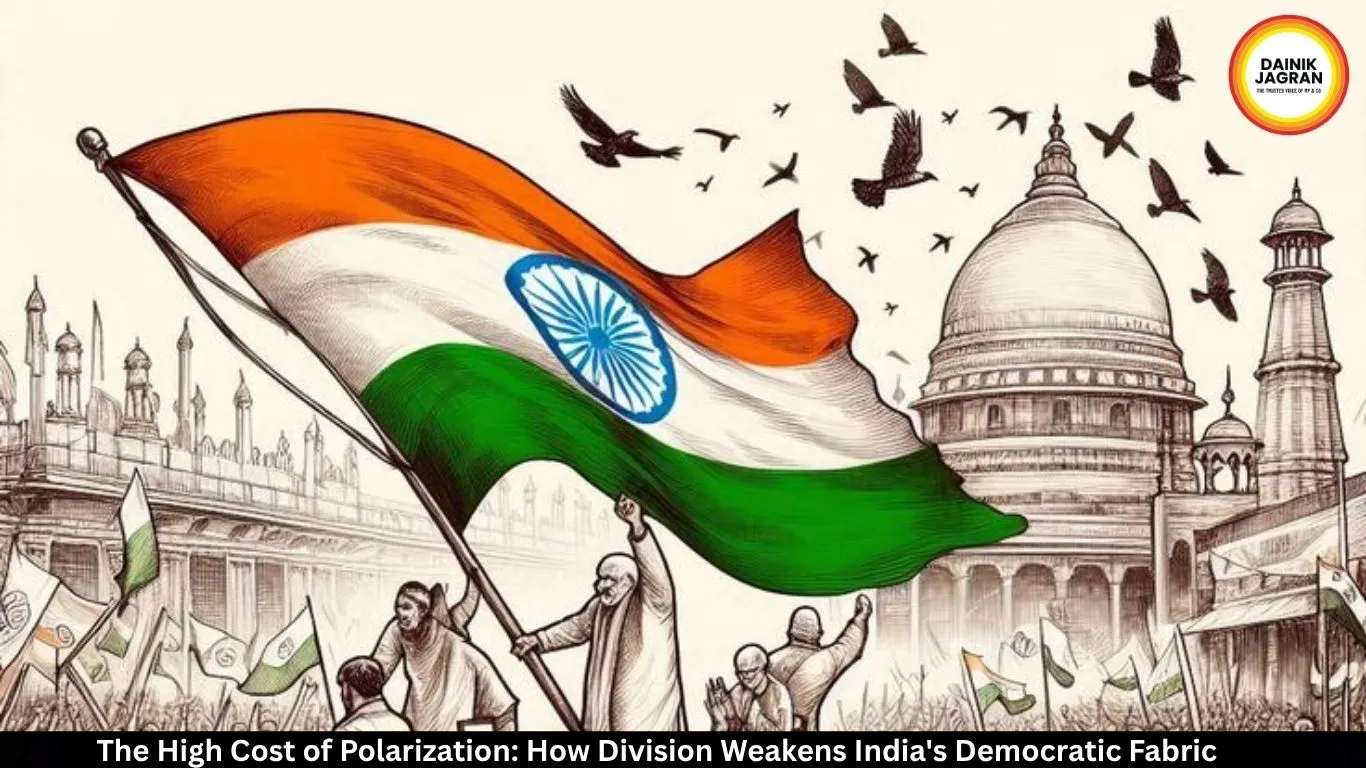
The High Cost of Polarization: How Division Weakens India's Democratic Fabric

In every democracy, disagreement is inevitable. In fact, it is essential. Different opinions, competing ideologies and spirited public debates are what keep democratic institutions alive. The real challenge begins when disagreement turns into hostility, when political rivalry becomes social division, and when citizens start seeing each other as enemies instead of fellow participants in a shared democratic journey. India, the world's largest democracy, is increasingly confronting this challenge.

Political polarization is not unique to India. Democracies across the world, from the United States to several European nations, are grappling with deep ideological divides. However, in a country as socially, culturally and religiously diverse as India, polarization carries particularly serious consequences. It risks weakening not only political institutions but also the social trust that binds communities together.

Over the past decade, public discourse has become increasingly confrontational. Social media platforms have accelerated this trend by rewarding outrage over nuance. Complex policy discussions are often reduced to hashtags, viral videos and emotionally charged narratives. Algorithms tend to amplify content that provokes strong reactions, creating digital echo chambers where users mostly encounter opinions that reinforce their existing beliefs. As a result, dialogue becomes rarer while confrontation becomes more common.

This environment has also affected traditional political engagement. Election campaigns increasingly focus on identity-based mobilization, personal attacks and ideological battles rather than sustained discussions on employment, education, healthcare, climate resilience or economic reforms. While political competition is natural, excessive polarization often shifts attention away from governance and long-term policy priorities.

Another significant concern is the gradual erosion of trust in institutions. Democracies function because citizens believe that constitutional bodies, courts, the media, election authorities and other institutions operate independently and fairly. When every institutional decision is interpreted solely through a political lens, public confidence weakens. Restoring that trust becomes far more difficult than losing it.

The media, too, faces growing challenges in a polarized environment. News organizations are often accused of bias regardless of the facts they report. Journalists increasingly find themselves targeted by competing ideological groups, making objective reporting more difficult. As audiences gravitate toward information sources that align with their existing beliefs, misinformation and selective narratives spread more easily.

Polarization also affects ordinary social relationships. Political disagreements now frequently enter family gatherings, workplaces, educational institutions and friendships. What were once healthy debates sometimes evolve into permanent divisions. A society where citizens hesitate to engage with those holding different opinions gradually loses its capacity for collective problem-solving.

Young people are perhaps the most affected by this transformation. Many receive their political information primarily through short-form digital content rather than detailed reporting or policy analysis. While digital platforms have democratized access to information, they have also made it easier for misinformation, manipulated content and emotionally charged narratives to circulate rapidly. Developing critical thinking and media literacy is therefore becoming as important as formal education itself.

Yet polarization is neither inevitable nor irreversible. India's democratic history offers numerous examples of political rivals working together during national crises, parliamentary debates leading to consensus, and institutions adapting through dialogue. The country's Constitution itself reflects the belief that diversity can coexist with unity under a shared democratic framework.

Reducing polarization requires effort from multiple stakeholders. Political parties must resist the temptation to frame every disagreement as a battle between absolute good and absolute evil. Civil society organizations should encourage respectful public dialogue across ideological lines. Educational institutions can strengthen civic education by promoting constitutional values, critical thinking and informed debate. Media organizations must continue investing in fact-based journalism despite commercial and political pressures.

Citizens, however, hold perhaps the greatest responsibility. Democracy is strengthened not only by voting but also by listening. Respectfully engaging with opposing viewpoints does not weaken one's convictions; it often strengthens them by encouraging deeper understanding. Rejecting misinformation, verifying facts before sharing them, and participating in civil conversations are small but meaningful contributions to democratic health.

India's greatest strength has always been its ability to accommodate extraordinary diversity. Languages, religions, cultures, traditions and political ideologies have coexisted within a constitutional framework that values pluralism. Preserving that tradition requires recognizing that disagreement is not the enemy of democracy—intolerance is.

As India continues its economic rise and expands its global influence, its democratic resilience will depend not merely on electoral success but on the quality of its public discourse. A confident democracy is not one where everyone thinks alike; it is one where people with different beliefs can debate vigorously while continuing to trust each other and the institutions that safeguard their shared future.

The true cost of polarization is not measured in election results alone. It is measured in diminished trust, fractured communities and weakened democratic institutions. Preventing that outcome demands collective responsibility, constitutional commitment and a renewed willingness to place dialogue above division.
 

--------

🚨 Beat the News Rush – Join Now!

Get breaking alerts, hot exclusives, and game-changing stories instantly on your phone. No delays, no fluff – just the edge you need. ⚡

Tap to join: 

🟢 WhatsApp Channel: Dainik Jagran MP CG

Crave more?

🅕 Facebook: Dainik Jagran MP CG English

🅧 Twitter (X): Dainik Jagran MP CG

🅘 Instagram: Dainik Jagran MP CG

Share the fire – keep your crew ahead! 🗞️🔥

english.dainikjagranmpcg.com
30 Jul 2026 By Abhishek Joshi

The High Cost of Polarization: How Division Weakens India's Democratic Fabric

Digital Desk

Political polarization is not unique to India. Democracies across the world, from the United States to several European nations, are grappling with deep ideological divides. However, in a country as socially, culturally and religiously diverse as India, polarization carries particularly serious consequences. It risks weakening not only political institutions but also the social trust that binds communities together.

Over the past decade, public discourse has become increasingly confrontational. Social media platforms have accelerated this trend by rewarding outrage over nuance. Complex policy discussions are often reduced to hashtags, viral videos and emotionally charged narratives. Algorithms tend to amplify content that provokes strong reactions, creating digital echo chambers where users mostly encounter opinions that reinforce their existing beliefs. As a result, dialogue becomes rarer while confrontation becomes more common.

This environment has also affected traditional political engagement. Election campaigns increasingly focus on identity-based mobilization, personal attacks and ideological battles rather than sustained discussions on employment, education, healthcare, climate resilience or economic reforms. While political competition is natural, excessive polarization often shifts attention away from governance and long-term policy priorities.

Another significant concern is the gradual erosion of trust in institutions. Democracies function because citizens believe that constitutional bodies, courts, the media, election authorities and other institutions operate independently and fairly. When every institutional decision is interpreted solely through a political lens, public confidence weakens. Restoring that trust becomes far more difficult than losing it.

The media, too, faces growing challenges in a polarized environment. News organizations are often accused of bias regardless of the facts they report. Journalists increasingly find themselves targeted by competing ideological groups, making objective reporting more difficult. As audiences gravitate toward information sources that align with their existing beliefs, misinformation and selective narratives spread more easily.

Polarization also affects ordinary social relationships. Political disagreements now frequently enter family gatherings, workplaces, educational institutions and friendships. What were once healthy debates sometimes evolve into permanent divisions. A society where citizens hesitate to engage with those holding different opinions gradually loses its capacity for collective problem-solving.

Young people are perhaps the most affected by this transformation. Many receive their political information primarily through short-form digital content rather than detailed reporting or policy analysis. While digital platforms have democratized access to information, they have also made it easier for misinformation, manipulated content and emotionally charged narratives to circulate rapidly. Developing critical thinking and media literacy is therefore becoming as important as formal education itself.

Yet polarization is neither inevitable nor irreversible. India's democratic history offers numerous examples of political rivals working together during national crises, parliamentary debates leading to consensus, and institutions adapting through dialogue. The country's Constitution itself reflects the belief that diversity can coexist with unity under a shared democratic framework.

Reducing polarization requires effort from multiple stakeholders. Political parties must resist the temptation to frame every disagreement as a battle between absolute good and absolute evil. Civil society organizations should encourage respectful public dialogue across ideological lines. Educational institutions can strengthen civic education by promoting constitutional values, critical thinking and informed debate. Media organizations must continue investing in fact-based journalism despite commercial and political pressures.

Citizens, however, hold perhaps the greatest responsibility. Democracy is strengthened not only by voting but also by listening. Respectfully engaging with opposing viewpoints does not weaken one's convictions; it often strengthens them by encouraging deeper understanding. Rejecting misinformation, verifying facts before sharing them, and participating in civil conversations are small but meaningful contributions to democratic health.

India's greatest strength has always been its ability to accommodate extraordinary diversity. Languages, religions, cultures, traditions and political ideologies have coexisted within a constitutional framework that values pluralism. Preserving that tradition requires recognizing that disagreement is not the enemy of democracy—intolerance is.

As India continues its economic rise and expands its global influence, its democratic resilience will depend not merely on electoral success but on the quality of its public discourse. A confident democracy is not one where everyone thinks alike; it is one where people with different beliefs can debate vigorously while continuing to trust each other and the institutions that safeguard their shared future.

The true cost of polarization is not measured in election results alone. It is measured in diminished trust, fractured communities and weakened democratic institutions. Preventing that outcome demands collective responsibility, constitutional commitment and a renewed willingness to place dialogue above division.
 

https://english.dainikjagranmpcg.com/opinion/the-high-cost-of-polarization-how-division-weakens-indias-democratic/article-24191
Tags:

Trending News