


Why India's 10-Minute Delivery Craze Must End: Gig Workers Deserve Dignity Over Deadlines
Digital Desk
Why India's 10-Minute Delivery Craze Must End: Gig Workers Deserve Dignity Over Deadlines
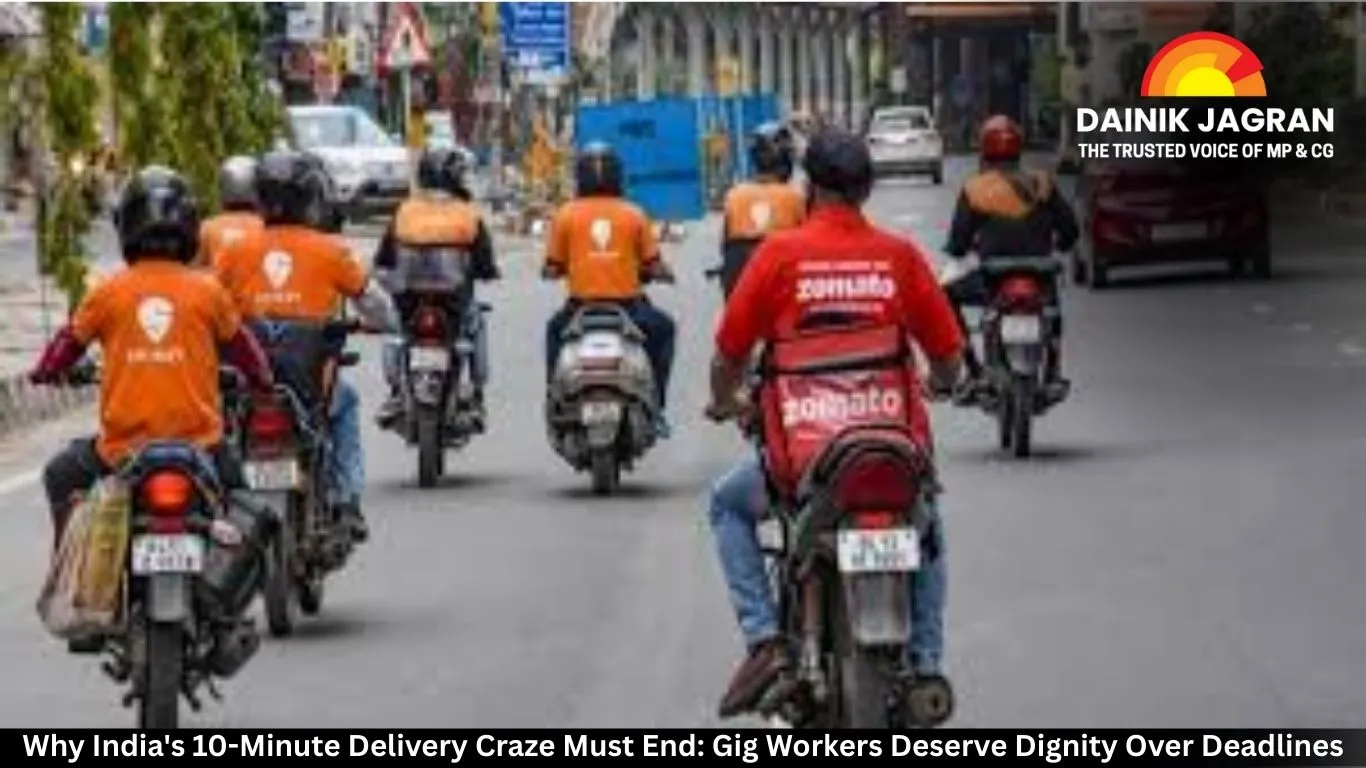
In the bustling streets of Mumbai, Delhi, or Bengaluru, it's a familiar sight: a Zomato or Blinkit rider weaving through jammed traffic, dodging cars to hit that impossible 10-minute delivery window.
We've all been there—frustrated drivers honking, riders risking life and limb. But as we mark the one-month anniversary of India's new Labor Codes kicking in on November 21, 2025, it's time to ask: Is this "quick commerce" revolution a boon or a ticking time bomb for our gig workers?
Picture this: Avinash, a Kolkata-based specially-abled Zomato rider, smiles through pollution-choked rides, rain-soaked shifts, and 12-14 hour days. He's not alone. Millions of these "invisible wheels of the Indian economy," as AAP MP Raghav Chadha aptly called them in a fiery Rajya Sabha speech last week, power apps valued at lakhs of crores. Zomato alone boasts a market cap soaring past ₹2.5 lakh crore as of December 2025. Yet, these riders earn per delivery, with no fixed salary, no sick leave, and incomes that vanish if ratings dip due to a traffic snag.
The root? That toxic 10-minute delivery culture apps like Swiggy, Zomato, and Blinkit have branded into our brains. It sounds innovative—milk at your door sans doorbell, food faster than you can boil water. But it's fueling unrealistic expectations. Chadha nailed it: These aren't robots; they're humans facing buses, potholes, and police fines. Recent data from the Ministry of Labour shows gig workers clocking 70% more road accidents than average commuters, all for a promised "blitz" that ignores real-world chaos.
Enter the good news: The Social Security Code 2020, now fully enforced, mandates platforms to earmark 1-2% of revenue (capped at 5% of worker payouts) for insurance, health benefits, and pensions. It's a start—finally acknowledging these 15 million gig workers as more than disposable cogs. But will it fix the daily harassment? Remember that viral 2020 influencer saga, where a late delivery sparked a nosebleed-level meltdown and withheld payment? Stories like that persist, breeding customer rage and rider burnout.
My take? This culture must die. First, it's dangerously unrealistic. From store pickup to your doorstep, traffic, weather, and logistics eat time—yet apps push it as gospel, tanking riders' ratings and earnings. Second, it invites abuse. Educated consumers like us might shrug off a 15-minute delay, but entitlement boils over: "Why isn't my biryani here yet?" Third, it's lethally unsafe. No proper gear, endless hours, zero breaks—riders brave Delhi's toxic air or Hyderabad monsoons, compromising sleep for survival. As one rider quipped anonymously, "We're the economy's backbone, but treated like exhaust fumes."
Capitalism's cutthroat race for market share is the villain here. Companies hype speed to dazzle investors, ignoring work-life balance or ethics. Chadha's plea resonates: End the 10-minute myth; opt for practical timelines with accountability. Platforms must invest in training, safe routes, and fair pay—not just PR smiles.
We're hooked on convenience, but at what cost? If gig workers struck tomorrow, our cities would grind to a halt. Yet we lord over them like kings. Let's flip the script: Next order, say thanks, offer water. Demand policies amplifying their voice. For UPSC aspirants eyeing ethics papers, this screams attitude-empathy gaps and corporate governance flaws.
India's gig boom reflects deeper fault lines in labor laws and social nets. The 2025 codes are a step, but without ditching this speed obsession, tragedies will mount. Gig workers aren't props in a startup fairy tale—they're the heartbeat. Time to deliver dignity, not deadlines.




.jpg)




