


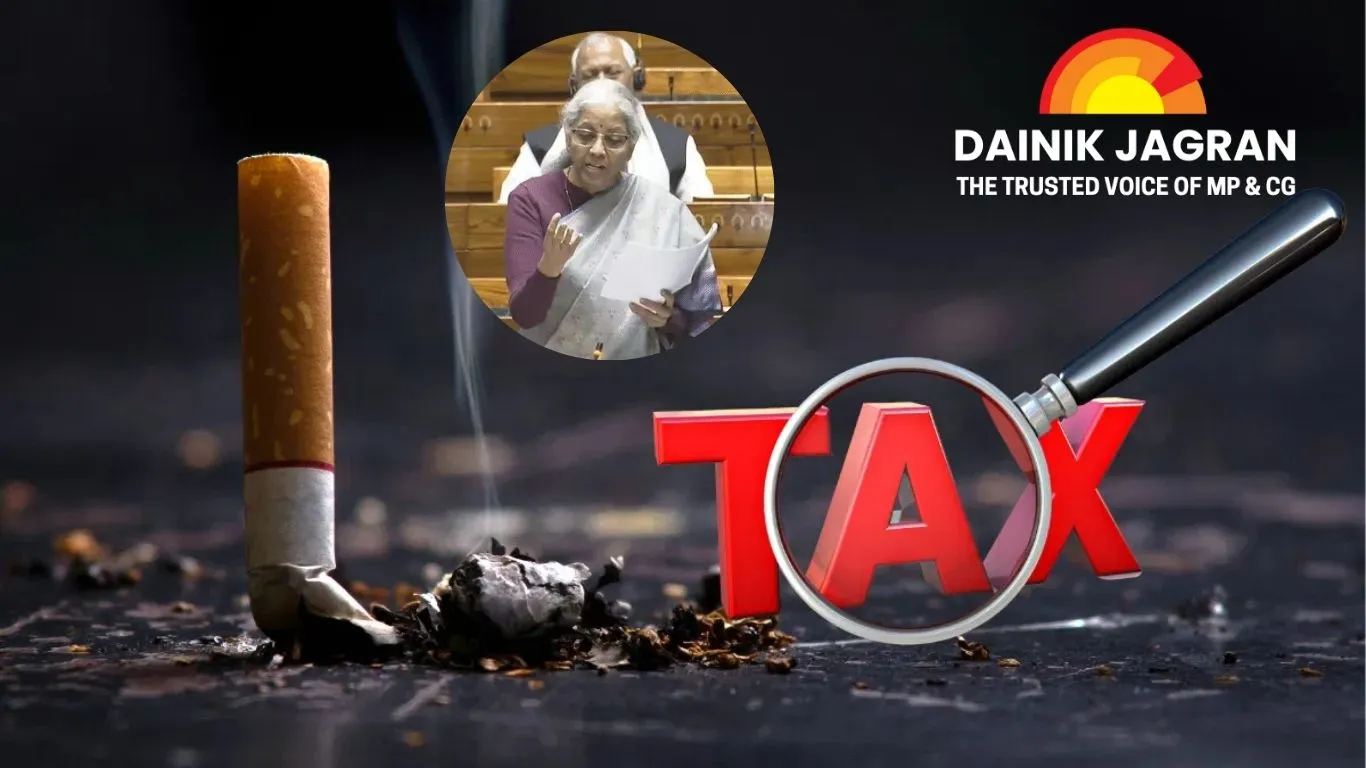
India to Impose New Tax on Pan Masala and Cigarettes to Fund National Security
Digital Desk
Speaking during the debate on the Health Security to National Security Cess Bill, the finance minister cited lessons from the Kargil conflict, highlighting budgetary constraints faced by the armed forces in the 1990s. “We do not want India to face such a shortage of weapons, ammunition, and equipment ever again,” Sitharaman said, stressing that the cess will be levied only on products harmful to health, not essential goods.
The bill mandates that revenue collected will be shared with states for targeted health programs. Beyond the standard 40% GST, pan masala units will now be subject to both health and national security levies. Sitharaman added that the cess will support modern warfare requirements, citing operations like Mission Sudarshan Chakra and Operation Sindoor, which involved technical equipment and resources critical for national defense.
Opposition members, including Hanuman Beniwal, raised concerns over celebrity endorsements of pan masala and questioned government action on advertising restrictions. Congress MP Shashikant Senthil also questioned the rationale behind linking the tax with national security. Sitharaman responded that the levy aims to mobilize resources for defense and public health without burdening ordinary citizens.
Health experts warn that tobacco consumption remains a major public health issue. According to the World Health Organization, over 80 lakh people die prematurely worldwide each year due to smoking, with India accounting for more than 10 lakh deaths annually. Including other tobacco products, the figure rises to approximately 13.5 lakh deaths in India each year. Studies also indicate that smoking significantly reduces life expectancy, with long-term users losing hundreds of days of life.
The government’s move reflects a dual objective: discourage consumption of harmful products while raising funds for critical national priorities, including defense modernization and health security programs.
.jpg)

.jpg)

.jpg)




