Yogini Ekadashi 2026: Date, Puja Timings, Vrat Katha, Significance and Parana Time
Digital Desk
Know Yogini Ekadashi 2026 date, Ekadashi tithi timings, Parana time, Vrat Katha, religious significance, fasting rituals and complete puja schedule.
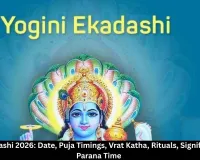
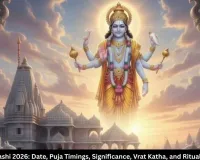
Devotees of Lord Vishnu across India are preparing to observe Yogini Ekadashi on Friday, July 10, 2026, one of the most significant Ekadashi fasts observed during the Krishna Paksha of the Hindu month of Ashadha. The sacred day is dedicated to Lord Vamana, the fifth incarnation of Lord Vishnu, and is believed to help devotees attain spiritual purification, good health and freedom from past sins.
According to the Hindu Panchang, Ekadashi Tithi will begin at 8:16 AM on July 10 and conclude at 5:23 AM on July 11. Devotees observing the fast should perform Parana (breaking the fast) on July 11 between 1:52 PM and 4:32 PM, after the end of Hari Vasara, which concludes at 10:33 AM.
Yogini Ekadashi 2026: Important Timings (Ujjain, IST)
-
Yogini Ekadashi Date: Friday, July 10, 2026
-
Ekadashi Tithi Begins: 8:16 AM, July 10
-
Ekadashi Tithi Ends: 5:23 AM, July 11
-
Hari Vasara Ends: 10:33 AM, July 11
-
Parana Time: 1:52 PM to 4:32 PM, July 11
-
Dwadashi Ends: 2:04 AM, July 12
-
Sunrise: 5:52 AM
-
Sunset: 7:12 PM
Religious Significance
Yogini Ekadashi is regarded as a highly auspicious occasion in Vaishnav tradition. Hindu scriptures state that observing this fast with sincerity helps devotees seek Lord Vishnu's blessings, cleanse themselves of accumulated sins and progress toward spiritual liberation.
The fast is also traditionally associated with prayers for good health and well-being. Many devotees believe it is particularly beneficial for those seeking relief from prolonged illnesses and physical suffering while also promoting discipline, devotion and self-control.
Yogini Ekadashi falls between Nirjala Ekadashi and Devshayani Ekadashi, making it an important observance during the annual Ekadashi calendar.
Yogini Ekadashi Vrat Katha
The significance of Yogini Ekadashi is described in the Padma Purana. According to the legend, King Yudhishthira once requested Lord Krishna to explain the importance of this Ekadashi.
Lord Krishna narrated the story of Hemmali, a servant of Kubera, whose responsibility was to collect flowers from Mansarovar for Lord Shiva's daily worship. One day, Hemmali became engrossed in spending time with his wife, Vishalakshi, and failed to deliver the flowers on time.
Angered by this negligence, Kubera cursed him with leprosy and separation from his wife. After wandering in misery, Hemmali met Sage Markandeya, who advised him to observe the Yogini Ekadashi fast with complete faith.
Hemmali followed the sage's instructions, observed the fast sincerely and was ultimately freed from the curse, regaining his health and reuniting with his wife. Lord Krishna concluded that observing or listening to the Yogini Ekadashi Katha grants immense spiritual merit and helps devotees attain divine blessings.
How the Fast is Observed
The observance begins on Dashami, when devotees adopt a simple satvik diet and avoid tamasic food. On Ekadashi, devotees worship Lord Vishnu by offering flowers, incense, lamps, fruits, sweets and Tulsi leaves, which are usually plucked a day earlier.
Many devotees also worship the Peepal tree, recite Vishnu Sahasranama, chant bhajans and participate in devotional prayers throughout the day. Those observing the vrat generally avoid grains and consume only fruits or permitted fasting foods.
The fast concludes on Dwadashi during the prescribed Parana period after offering prayers to Lord Vishnu and distributing prasad among family members and devotees.
With Yogini Ekadashi approaching, temples across the country are expected to witness special prayers and devotional gatherings as thousands of devotees observe the sacred fast in pursuit of health, peace and spiritual well-being.
--------
๐จ Beat the News Rush โ Join Now!
Get breaking alerts, hot exclusives, and game-changing stories instantly on your phone. No delays, no fluff โ just the edge you need. โก
Tap to join:ย
๐ข WhatsApp Channel: Dainik Jagran MP CG
Crave more?
๐ Facebook: Dainik Jagran MP CG English
๐ ง Twitter (X): Dainik Jagran MP CG
๐ Instagram: Dainik Jagran MP CG
Share the fire โ keep your crew ahead! ๐๏ธ๐ฅ
Yogini Ekadashi 2026: Date, Puja Timings, Vrat Katha, Significance and Parana Time
Digital Desk
Devotees of Lord Vishnu across India are preparing to observe Yogini Ekadashi on Friday, July 10, 2026, one of the most significant Ekadashi fasts observed during the Krishna Paksha of the Hindu month of Ashadha. The sacred day is dedicated to Lord Vamana, the fifth incarnation of Lord Vishnu, and is believed to help devotees attain spiritual purification, good health and freedom from past sins.
According to the Hindu Panchang, Ekadashi Tithi will begin at 8:16 AM on July 10 and conclude at 5:23 AM on July 11. Devotees observing the fast should perform Parana (breaking the fast) on July 11 between 1:52 PM and 4:32 PM, after the end of Hari Vasara, which concludes at 10:33 AM.
Yogini Ekadashi 2026: Important Timings (Ujjain, IST)
-
Yogini Ekadashi Date: Friday, July 10, 2026
-
Ekadashi Tithi Begins: 8:16 AM, July 10
-
Ekadashi Tithi Ends: 5:23 AM, July 11
-
Hari Vasara Ends: 10:33 AM, July 11
-
Parana Time: 1:52 PM to 4:32 PM, July 11
-
Dwadashi Ends: 2:04 AM, July 12
-
Sunrise: 5:52 AM
-
Sunset: 7:12 PM
Religious Significance
Yogini Ekadashi is regarded as a highly auspicious occasion in Vaishnav tradition. Hindu scriptures state that observing this fast with sincerity helps devotees seek Lord Vishnu's blessings, cleanse themselves of accumulated sins and progress toward spiritual liberation.
The fast is also traditionally associated with prayers for good health and well-being. Many devotees believe it is particularly beneficial for those seeking relief from prolonged illnesses and physical suffering while also promoting discipline, devotion and self-control.
Yogini Ekadashi falls between Nirjala Ekadashi and Devshayani Ekadashi, making it an important observance during the annual Ekadashi calendar.
Yogini Ekadashi Vrat Katha
The significance of Yogini Ekadashi is described in the Padma Purana. According to the legend, King Yudhishthira once requested Lord Krishna to explain the importance of this Ekadashi.
Lord Krishna narrated the story of Hemmali, a servant of Kubera, whose responsibility was to collect flowers from Mansarovar for Lord Shiva's daily worship. One day, Hemmali became engrossed in spending time with his wife, Vishalakshi, and failed to deliver the flowers on time.
Angered by this negligence, Kubera cursed him with leprosy and separation from his wife. After wandering in misery, Hemmali met Sage Markandeya, who advised him to observe the Yogini Ekadashi fast with complete faith.
Hemmali followed the sage's instructions, observed the fast sincerely and was ultimately freed from the curse, regaining his health and reuniting with his wife. Lord Krishna concluded that observing or listening to the Yogini Ekadashi Katha grants immense spiritual merit and helps devotees attain divine blessings.
How the Fast is Observed
The observance begins on Dashami, when devotees adopt a simple satvik diet and avoid tamasic food. On Ekadashi, devotees worship Lord Vishnu by offering flowers, incense, lamps, fruits, sweets and Tulsi leaves, which are usually plucked a day earlier.
Many devotees also worship the Peepal tree, recite Vishnu Sahasranama, chant bhajans and participate in devotional prayers throughout the day. Those observing the vrat generally avoid grains and consume only fruits or permitted fasting foods.
The fast concludes on Dwadashi during the prescribed Parana period after offering prayers to Lord Vishnu and distributing prasad among family members and devotees.
With Yogini Ekadashi approaching, temples across the country are expected to witness special prayers and devotional gatherings as thousands of devotees observe the sacred fast in pursuit of health, peace and spiritual well-being.