LPG from US, Crude from Russia Reach India
Digital Desk
Cargo ships carrying LPG from Texas and crude oil from Russia have docked at Indian ports amid Strait of Hormuz tensions. Centre confirms all 22 ships safe; states to get 20% more LPG from March 23. Latest India news update on energy supply.
LPG from US, Crude from Russia Reach India
Ships Dock Safely
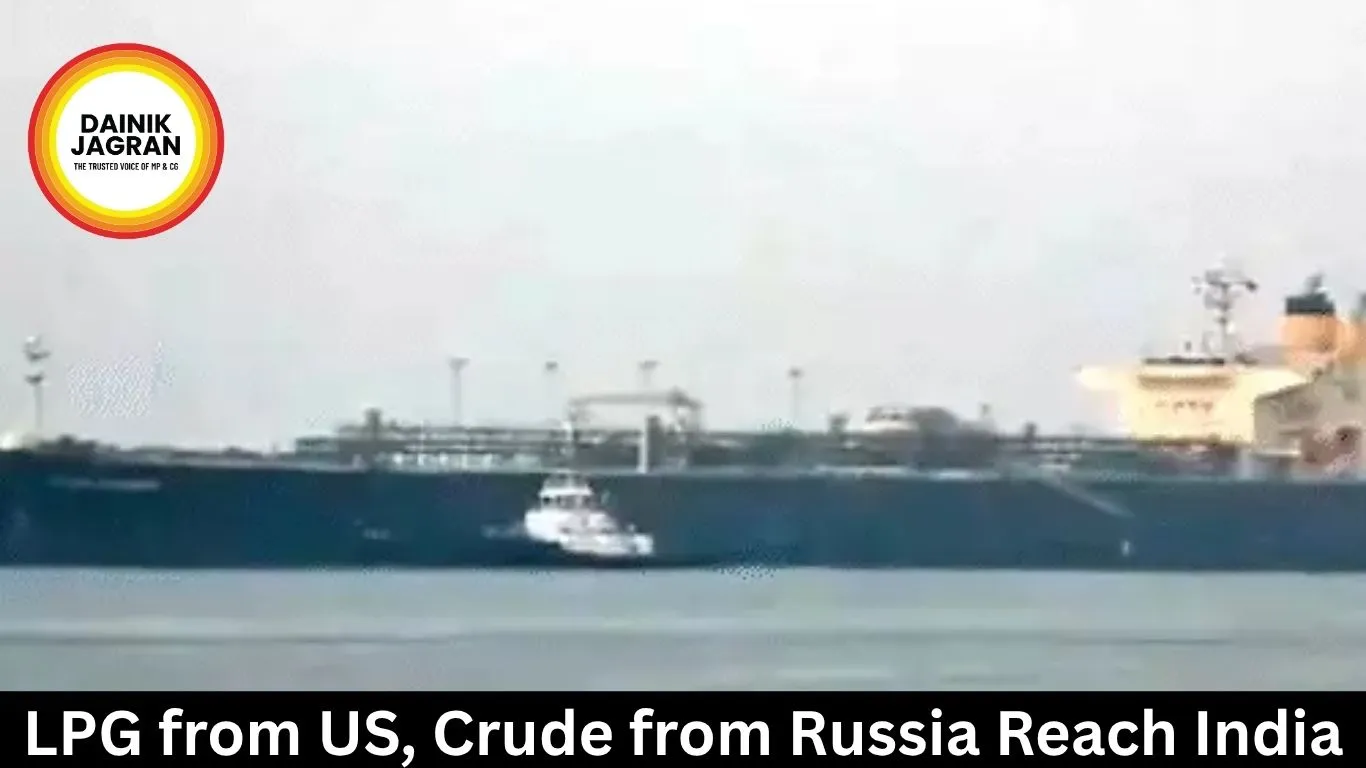
A cargo ship loaded with liquefied petroleum gas (LPG) from Texas in the US docked at Mangaluru Port on Sunday. Another vessel carrying crude oil from Russia also reached India the same day. Sources in the shipping ministry confirmed both ships passed through tense waters without incident.
In the past week, five such vessels have arrived by sea. Officials hailed the development as a boost amid regional disruptions.
Recent Arrivals Detailed
The crude oil tanker Jag Ladki berthed at Mundra Port in Gujarat on March 18. It carried 80,886 metric tons from Fujairah in the UAE.
On March 17, MT Nanda Devi reached Vadinar Port in Jamnagar with 46,000 metric tons of LPG. The day before, MT Shivalik arrived at Mundra carrying another 46,000 metric tons from Qatar—equivalent to 32.4 lakh domestic cylinders.
All three transited the Strait of Hormuz between March 14 and 18.
22 Ships Still Safe
The Centre reported all 22 Indian-flagged ships remain stranded in the Persian Gulf but are safe. "No damage or threats reported," a ministry spokesperson said.
The Strait of Hormuz, a 167-km waterway linking the Gulf to the Arabian Sea, handles 20% of global oil. Tensions have halted most tanker traffic.
LPG Boost Announced
States will receive 20% more LPG from March 23, pushing supplies to 50% of pre-crisis levels. Dr Neeraj Mittal, Secretary in the Ministry of Petroleum and Natural Gas, wrote to chief secretaries directing priority to community kitchens, dhabas, hotels, and industrial canteens.
Migrant workers get first dibs on 5 kg free trade LPG cylinders. Authorities urged steps against black marketing.
War Disrupts Supplies
The crisis stems from Operation Epic Fury on February 28, when US and Israeli forces struck Iranian military and nuclear sites. Supreme Leader Ayatollah Ali Khamenei and several ministers died in the attacks.
India sources 80-85% of its LPG imports via Hormuz. As the world's second-largest importer, the country faced shortages, though the government dismissed shortage rumours.
Import Dependence Exposed
More than 60% of India's LPG comes from abroad, mainly Gulf nations like Qatar, UAE, Saudi Arabia, Iraq, and Kuwait. The route's blockade hit supplies hard.
Russia and the US stepped in with alternate cargoes. Ports in Gujarat and Karnataka handled the latest inflows smoothly.
Priority Sectors Benefit
Households, restaurants, and factories stand to gain most. The extra allocation eases pressure on daily cooking fuel.
Industry watchers expect stabilised prices if arrivals continue. Black market risks persist without vigilant distribution.
Path Ahead Uncertain
The Centre monitors Gulf developments closely. Alternative routes and stockpiles provide a buffer, but prolonged conflict could strain reserves.
Shipping firms reroute where possible. Officials predict normalcy if Hormuz reopens soon. India pushes for diversified imports in this latest news today from English news portal India.
LPG from US, Crude from Russia Reach India
Digital Desk
LPG from US, Crude from Russia Reach India
Ships Dock Safely
A cargo ship loaded with liquefied petroleum gas (LPG) from Texas in the US docked at Mangaluru Port on Sunday. Another vessel carrying crude oil from Russia also reached India the same day. Sources in the shipping ministry confirmed both ships passed through tense waters without incident.
In the past week, five such vessels have arrived by sea. Officials hailed the development as a boost amid regional disruptions.
Recent Arrivals Detailed
The crude oil tanker Jag Ladki berthed at Mundra Port in Gujarat on March 18. It carried 80,886 metric tons from Fujairah in the UAE.
On March 17, MT Nanda Devi reached Vadinar Port in Jamnagar with 46,000 metric tons of LPG. The day before, MT Shivalik arrived at Mundra carrying another 46,000 metric tons from Qatar—equivalent to 32.4 lakh domestic cylinders.
All three transited the Strait of Hormuz between March 14 and 18.
22 Ships Still Safe
The Centre reported all 22 Indian-flagged ships remain stranded in the Persian Gulf but are safe. "No damage or threats reported," a ministry spokesperson said.
The Strait of Hormuz, a 167-km waterway linking the Gulf to the Arabian Sea, handles 20% of global oil. Tensions have halted most tanker traffic.
LPG Boost Announced
States will receive 20% more LPG from March 23, pushing supplies to 50% of pre-crisis levels. Dr Neeraj Mittal, Secretary in the Ministry of Petroleum and Natural Gas, wrote to chief secretaries directing priority to community kitchens, dhabas, hotels, and industrial canteens.
Migrant workers get first dibs on 5 kg free trade LPG cylinders. Authorities urged steps against black marketing.
War Disrupts Supplies
The crisis stems from Operation Epic Fury on February 28, when US and Israeli forces struck Iranian military and nuclear sites. Supreme Leader Ayatollah Ali Khamenei and several ministers died in the attacks.
India sources 80-85% of its LPG imports via Hormuz. As the world's second-largest importer, the country faced shortages, though the government dismissed shortage rumours.
Import Dependence Exposed
More than 60% of India's LPG comes from abroad, mainly Gulf nations like Qatar, UAE, Saudi Arabia, Iraq, and Kuwait. The route's blockade hit supplies hard.
Russia and the US stepped in with alternate cargoes. Ports in Gujarat and Karnataka handled the latest inflows smoothly.
Priority Sectors Benefit
Households, restaurants, and factories stand to gain most. The extra allocation eases pressure on daily cooking fuel.
Industry watchers expect stabilised prices if arrivals continue. Black market risks persist without vigilant distribution.
Path Ahead Uncertain
The Centre monitors Gulf developments closely. Alternative routes and stockpiles provide a buffer, but prolonged conflict could strain reserves.
Shipping firms reroute where possible. Officials predict normalcy if Hormuz reopens soon. India pushes for diversified imports in this latest news today from English news portal India.