Trump Threatens Iran Power Plants Over Hormuz Blockade

Digital Desk

Trump Threatens Iran Power Plants Over Hormuz Blockade

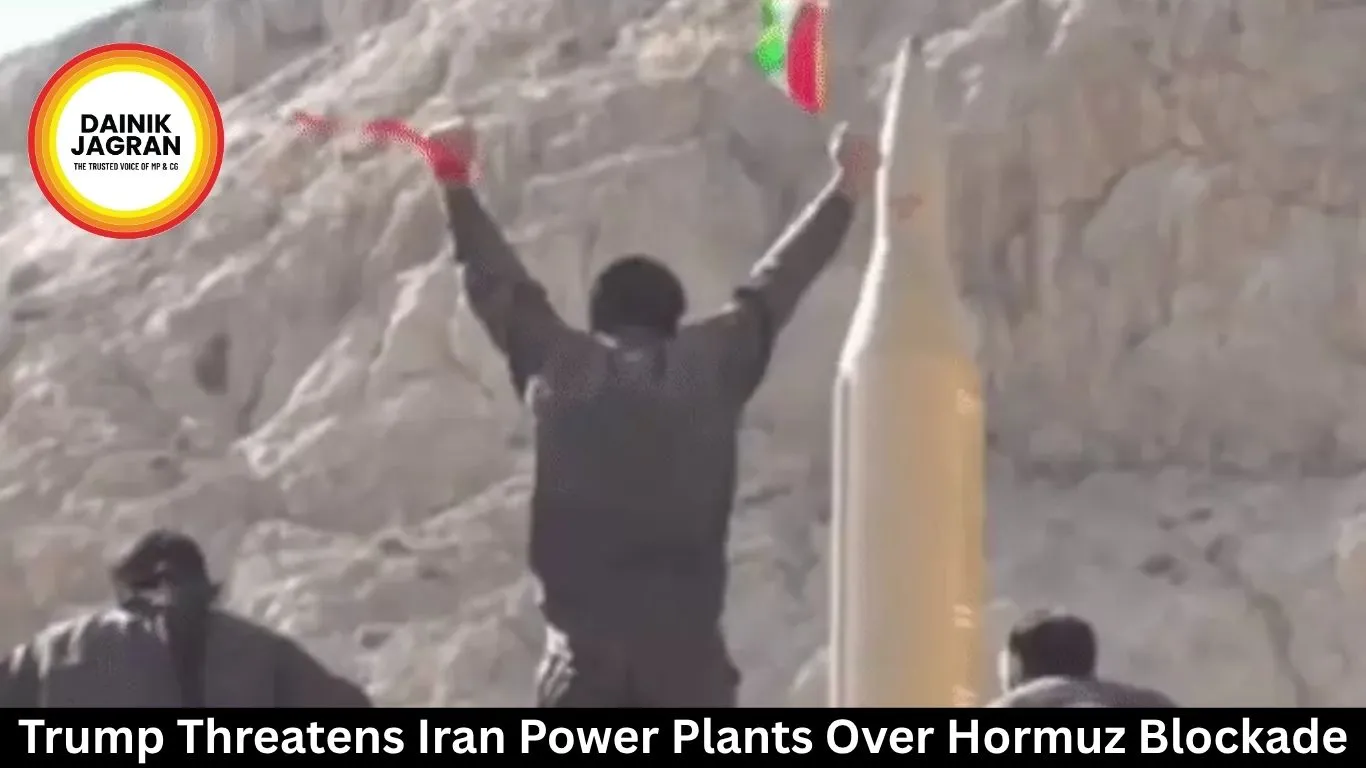
 US President Donald Trump has given Iran 48 hours to reopen the Strait of Hormuz or face strikes on power plants, as Tehran vows retaliation against regional infrastructure in the ongoing war. Tensions escalate with missile attacks and energy disruptions.


The escalating US-Israel-Iran conflict has taken a dangerous turn with threats targeting critical energy infrastructure, as the war enters its fourth week.

Trump Issues 48-Hour Ultimatum to Iran Over Strait of Hormuz Blockade

US President Donald Trump has warned Iran to fully reopen the Strait of Hormuz within 48 hours or face devastating US strikes on its power plants. Iran's leadership has responded with vows to inflict irreversible damage on regional infrastructure if its own facilities are hit.

Trump's Stark Warning

In a post on Truth Social late Saturday, Trump declared that failure to ensure unrestricted passage through the Strait of Hormuz would prompt the United States to “hit and obliterate” Iranian power plants, beginning with the largest ones. The ultimatum, issued amid ongoing disruptions to global oil flows, marks a sharp escalation barely a day after Trump suggested winding down military operations.

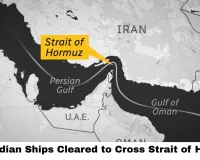
The Strait of Hormuz, a narrow waterway linking the Persian Gulf to the Arabian Sea, handles around 20 per cent of global oil and liquefied natural gas supplies. Iran has effectively restricted traffic since the conflict began on February 28, with threats, drone attacks, and mine-laying activities deterring most commercial vessels.

Iran's Defiant Response

Iran's parliament speaker Mohammad Bagher Ghalibaf warned on Sunday that any attack on Iranian power plants or infrastructure would make “vital infrastructure as well as energy and oil infrastructure across the entire region” legitimate targets for irreversible destruction. He cautioned that such actions would drive oil prices higher for an extended period.

Spokesperson for Iran's Khatam al-Anbiya central command, Ebrahim Zolfaghari, echoed the threat, stating that energy, desalination, and IT facilities linked to the US and Israel in West Asia would face retaliation if Iran's fuel and energy sites are struck. Iran's representative to the International Maritime Organization, Ali Mousavi, clarified that foreign vessels could transit the strait with coordination from Iranian authorities for security, while respecting Tehran's territorial rights.

Context of the Ongoing War

The US and Israel launched Operation Epic Fury on February 28, targeting Iranian military sites, nuclear facilities like Natanz, and leadership, including the killing of Supreme Leader Ali Khamenei. Iran retaliated with ballistic missile and drone barrages against Israel, US bases, and allies in the Gulf.

Recent days have seen intense exchanges: Iran launched missiles at southern Israeli cities Dimona and Arad, injuring over 100 people, including children. Israel reported intercepting 92 per cent of more than 400 Iranian missiles fired since the war started. Strikes have damaged Iranian water and energy networks, with Tehran's energy minister reporting heavy losses.

The conflict has spilled over, with Hezbollah clashes in Lebanon, attacks on US positions in Iraq, and drone interceptions by Gulf states like Bahrain and Saudi Arabia. Global energy markets have reeled, with oil prices surging and airlines facing massive losses from rerouting and higher jet fuel costs.

Impact on Global Energy and Shipping

The near-closure of the Strait has triggered supply fears, pushing Brent crude higher and prompting the G7 to signal readiness for measures like stockpile releases. An LPG tanker from the US arrived safely at New Mangalore Port in India, highlighting alternative routes amid the crisis.

Iranian officials, including Deputy Defence Minister Reza Talaei-Nik, insist Tehran's missile and drone capabilities remain robust despite US claims of degraded defences. They assert control over the strait's security through domestic production and strategic reserves.

What Lies Ahead

The 48-hour deadline expires Monday evening, raising risks of further strikes on power infrastructure. Analysts warn that mutual targeting of energy assets could spark a broader regional crisis, disrupting desalination plants vital for Gulf water supplies and sending oil prices soaring. Diplomatic channels, including talks involving Oman, remain active, but military posturing dominates.

As the US-Israel-Iran war intensifies, the focus on the Strait of Hormuz blockade underscores the fragile balance of global energy security.

english.dainikjagranmpcg.com
22 Mar 2026 By Abhishek Joshi

Trump Threatens Iran Power Plants Over Hormuz Blockade

Digital Desk

The escalating US-Israel-Iran conflict has taken a dangerous turn with threats targeting critical energy infrastructure, as the war enters its fourth week.

Trump Issues 48-Hour Ultimatum to Iran Over Strait of Hormuz Blockade

US President Donald Trump has warned Iran to fully reopen the Strait of Hormuz within 48 hours or face devastating US strikes on its power plants. Iran's leadership has responded with vows to inflict irreversible damage on regional infrastructure if its own facilities are hit.

Trump's Stark Warning

In a post on Truth Social late Saturday, Trump declared that failure to ensure unrestricted passage through the Strait of Hormuz would prompt the United States to “hit and obliterate” Iranian power plants, beginning with the largest ones. The ultimatum, issued amid ongoing disruptions to global oil flows, marks a sharp escalation barely a day after Trump suggested winding down military operations.

The Strait of Hormuz, a narrow waterway linking the Persian Gulf to the Arabian Sea, handles around 20 per cent of global oil and liquefied natural gas supplies. Iran has effectively restricted traffic since the conflict began on February 28, with threats, drone attacks, and mine-laying activities deterring most commercial vessels.

Iran's Defiant Response

Iran's parliament speaker Mohammad Bagher Ghalibaf warned on Sunday that any attack on Iranian power plants or infrastructure would make “vital infrastructure as well as energy and oil infrastructure across the entire region” legitimate targets for irreversible destruction. He cautioned that such actions would drive oil prices higher for an extended period.

Spokesperson for Iran's Khatam al-Anbiya central command, Ebrahim Zolfaghari, echoed the threat, stating that energy, desalination, and IT facilities linked to the US and Israel in West Asia would face retaliation if Iran's fuel and energy sites are struck. Iran's representative to the International Maritime Organization, Ali Mousavi, clarified that foreign vessels could transit the strait with coordination from Iranian authorities for security, while respecting Tehran's territorial rights.

Context of the Ongoing War

The US and Israel launched Operation Epic Fury on February 28, targeting Iranian military sites, nuclear facilities like Natanz, and leadership, including the killing of Supreme Leader Ali Khamenei. Iran retaliated with ballistic missile and drone barrages against Israel, US bases, and allies in the Gulf.

Recent days have seen intense exchanges: Iran launched missiles at southern Israeli cities Dimona and Arad, injuring over 100 people, including children. Israel reported intercepting 92 per cent of more than 400 Iranian missiles fired since the war started. Strikes have damaged Iranian water and energy networks, with Tehran's energy minister reporting heavy losses.

The conflict has spilled over, with Hezbollah clashes in Lebanon, attacks on US positions in Iraq, and drone interceptions by Gulf states like Bahrain and Saudi Arabia. Global energy markets have reeled, with oil prices surging and airlines facing massive losses from rerouting and higher jet fuel costs.

Impact on Global Energy and Shipping

The near-closure of the Strait has triggered supply fears, pushing Brent crude higher and prompting the G7 to signal readiness for measures like stockpile releases. An LPG tanker from the US arrived safely at New Mangalore Port in India, highlighting alternative routes amid the crisis.

Iranian officials, including Deputy Defence Minister Reza Talaei-Nik, insist Tehran's missile and drone capabilities remain robust despite US claims of degraded defences. They assert control over the strait's security through domestic production and strategic reserves.

What Lies Ahead

The 48-hour deadline expires Monday evening, raising risks of further strikes on power infrastructure. Analysts warn that mutual targeting of energy assets could spark a broader regional crisis, disrupting desalination plants vital for Gulf water supplies and sending oil prices soaring. Diplomatic channels, including talks involving Oman, remain active, but military posturing dominates.

As the US-Israel-Iran war intensifies, the focus on the Strait of Hormuz blockade underscores the fragile balance of global energy security.
https://english.dainikjagranmpcg.com/special-news/trump-threatens-iran-power-plants-over-hormuz-blockade/article-15802

Advertisement

Latest News