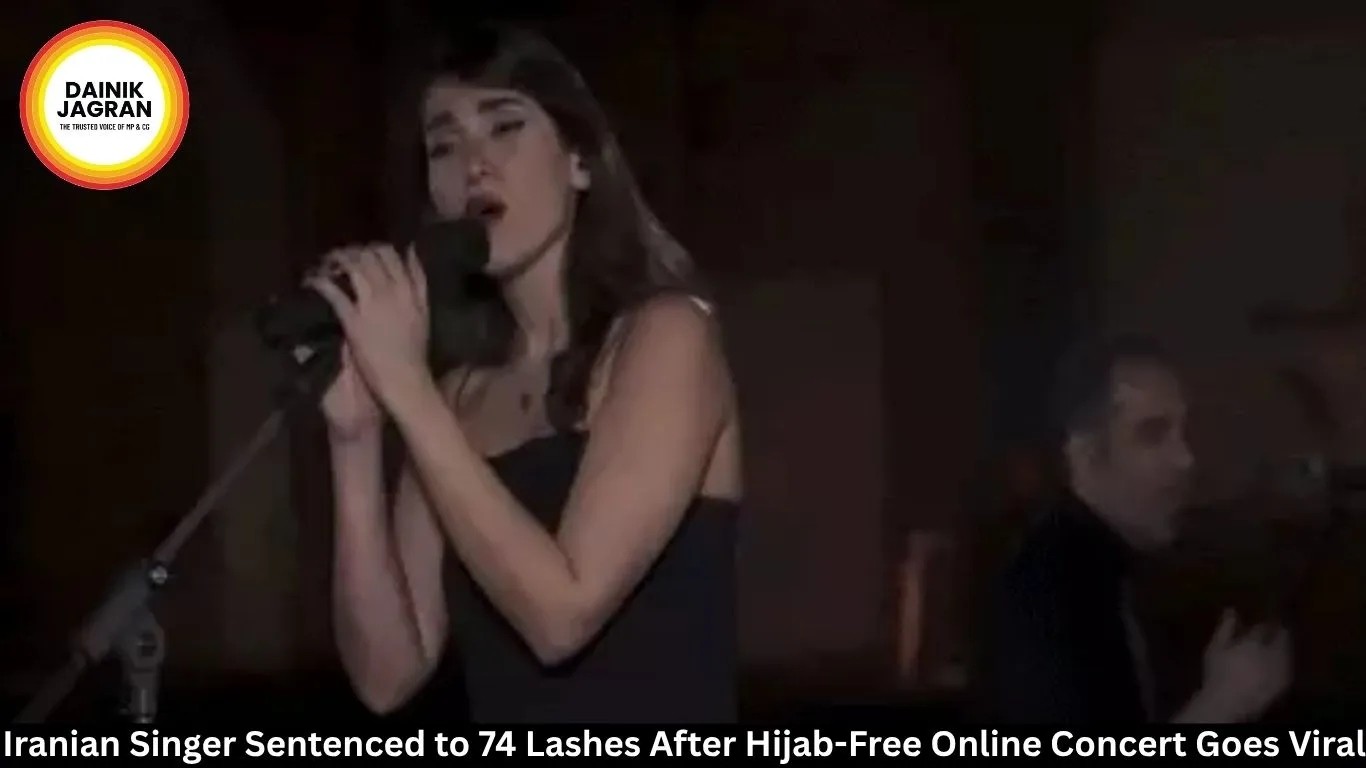
Iranian Singer Parastoo Ahmadi Sentenced to 74 Lashes

Digital Desk

Iranian Singer Parastoo Ahmadi Sentenced to 74 Lashes

Iran sentences singer Parastoo Ahmadi and her band to 74 lashes and a 2-year performance ban over a viral, hijab-free YouTube concert video.


Parastoo Ahmadi and eight band members face corporal punishment, travel bans, and a two-year performance prohibition following a viral YouTube musical session.

Judiciary cracks down on digital concert

TEHRAN: In a significant escalation of state control over artistic expression, an Iranian court has sentenced prominent independent singer Parastoo Ahmadi and eight members of her musical ensemble to 74 lashes each. The conservative judiciary in Qom province handed down the corporal punishment verdicts alongside strict bans on foreign travel and professional performance.

The legal action stems from a 27-minute "fictional concert" uploaded to YouTube, which quickly transformed from a digital musical showcase into a high-stakes political flashpoint.

Viral performance defies strict dress codes

The 29-year-old vocalist sparked immediate state scrutiny after appearing in the video without a mandatory hijab, wearing a sleeveless dress while fronting a four-piece male backing band. Singing Az Khoone Javanan-e Vatan ("From the Blood of the Youth of the Homeland")—a deeply resonant patriotic anthem—the performance struck a nerve across the country.

The video amassed over two million views within its first 24 hours online, rapidly drawing both domestic applause and fierce institutional backlash. While younger demographics and progressive factions hailed the upload as a poignant statement on personal autonomy, state prosecutors moved swiftly, classifying the digital broadcast as "obscene content" that actively undermined public decency standards.

Echoes of wider systemic unrest

This harsh judicial response marks one of the most visible crackdowns on female artists since the tectonic 2022 nationwide protests triggered by the custody death of Mahsa Amini. The current verdict signals that despite shifting societal attitudes on the ground, state authorities remain unyielding regarding the enforcement of Islamic dress regulations within the public and digital spheres.

The judicial trajectory for Ahmadi and her team followed a familiar pattern for independent creators in the region:

  • December 2024: The video is tracked and logged by cyber-monitoring units.

  • Early 2025: Security forces temporarily detain the musicians for intensive interrogation.

  • Mid-2026: Final sentencing is handed down, halting the artists' careers.

History of corporal punishment for dissent

The resort to flogging for dress-code violations reflects an established, rigid legal framework. Just over two years ago, activist Roya Heshmati was subjected to an identical sentence of 74 lashes after consistently publishing images of herself online without a headscarf.

Recent Notable Enforcement Actions:

β”Œβ”€β”€β”€β”€β”€β”€β”€β”€β”€β”€β”€β”€β”€β”€β”¬β”€β”€β”€β”€β”€β”€β”€β”€β”€β”€β”€β”€β”€β”€β”€β”€β”€β”€β”€β”€β”€β”€β”€β”€β”€β”¬β”€β”€β”€β”€β”€β”€β”€β”€β”€β”€β”€β”€β”€β”€β”€β”€β”€β”€β”€β”€β”€β”€β”€β”€β”€β”€β”€β”€β”€β”€β”€β”€β”€β”€β”

β”‚ Timeline     β”‚ Target                  β”‚ Legal Action / Outcome           β”‚

β”œβ”€β”€β”€β”€β”€β”€β”€β”€β”€β”€β”€β”€β”€β”€β”Όβ”€β”€β”€β”€β”€β”€β”€β”€β”€β”€β”€β”€β”€β”€β”€β”€β”€β”€β”€β”€β”€β”€β”€β”€β”€β”Όβ”€β”€β”€β”€β”€β”€β”€β”€β”€β”€β”€β”€β”€β”€β”€β”€β”€β”€β”€β”€β”€β”€β”€β”€β”€β”€β”€β”€β”€β”€β”€β”€β”€β”€β”€

β”‚ April 2023   β”‚ Two female citizens     β”‚ Detained after public assault    β”‚

β”‚ January 2024 β”‚ Activist Roya Heshmati  β”‚ 74 lashes administered; fined    β”‚

β”‚ June 2026    β”‚ Parastoo Ahmadi & Band  β”‚ 74 lashes; 2-year artistic ban   β”‚

β””β”€β”€β”€β”€β”€β”€β”€β”€β”€β”€β”€β”€β”€β”€β”΄β”€β”€β”€β”€β”€β”€β”€β”€β”€β”€β”€β”€β”€β”€β”€β”€β”€β”€β”€β”€β”€β”€β”€β”€β”€β”΄β”€β”€β”€β”€β”€β”€β”€β”€β”€β”€β”€β”€β”€β”€β”€β”€β”€β”€β”€β”€β”€β”€β”€β”€β”€β”€β”€β”€β”€β”€β”€β”€β”€β”€β”˜


Severe restrictions paralyze female artists

Under laws enforced since the 1979 Islamic Revolution, solo female vocal performances remain heavily restricted, if not entirely prohibited, in conventional public venues. As a result, creative communities have increasingly relied on international streaming platforms to bypass local censors.

However, as this ruling demonstrates, regional courts are treating digital uploads with the same severity as physical gatherings. The two-year operational ban effectively deplatforms the entire musical group, cutting off their livelihoods and preventing any legal distribution of their work.

Global scrutiny hits Tehran again

Human rights organizations have strongly condemned the sentencing, labeling the use of physical flogging against performance artists a flagrant violation of international human rights norms. With the international community closely tracking Tehran’s treatment of cultural dissidents, Ahmadi’s case is expected to remain a primary focal point for global advocacy groups monitoring freedom of speech in Iran.


 

--------

🚨 Beat the News Rush – Join Now!

Get breaking alerts, hot exclusives, and game-changing stories instantly on your phone. No delays, no fluff – just the edge you need. ⚑

Tap to join:Β 

🟒 WhatsApp Channel: Dainik Jagran MP CG

Crave more?

πŸ…• Facebook: Dainik Jagran MP CG English

πŸ…§ Twitter (X): Dainik Jagran MP CG

πŸ…˜ Instagram: Dainik Jagran MP CG

Share the fire – keep your crew ahead! πŸ—žοΈπŸ”₯

english.dainikjagranmpcg.com
19 Jun 2026 By Abhishek Joshi

Iranian Singer Parastoo Ahmadi Sentenced to 74 Lashes

Digital Desk

Parastoo Ahmadi and eight band members face corporal punishment, travel bans, and a two-year performance prohibition following a viral YouTube musical session.

Judiciary cracks down on digital concert

TEHRAN: In a significant escalation of state control over artistic expression, an Iranian court has sentenced prominent independent singer Parastoo Ahmadi and eight members of her musical ensemble to 74 lashes each. The conservative judiciary in Qom province handed down the corporal punishment verdicts alongside strict bans on foreign travel and professional performance.

The legal action stems from a 27-minute "fictional concert" uploaded to YouTube, which quickly transformed from a digital musical showcase into a high-stakes political flashpoint.

Viral performance defies strict dress codes

The 29-year-old vocalist sparked immediate state scrutiny after appearing in the video without a mandatory hijab, wearing a sleeveless dress while fronting a four-piece male backing band. Singing Az Khoone Javanan-e Vatan ("From the Blood of the Youth of the Homeland")—a deeply resonant patriotic anthem—the performance struck a nerve across the country.

The video amassed over two million views within its first 24 hours online, rapidly drawing both domestic applause and fierce institutional backlash. While younger demographics and progressive factions hailed the upload as a poignant statement on personal autonomy, state prosecutors moved swiftly, classifying the digital broadcast as "obscene content" that actively undermined public decency standards.

Echoes of wider systemic unrest

This harsh judicial response marks one of the most visible crackdowns on female artists since the tectonic 2022 nationwide protests triggered by the custody death of Mahsa Amini. The current verdict signals that despite shifting societal attitudes on the ground, state authorities remain unyielding regarding the enforcement of Islamic dress regulations within the public and digital spheres.

The judicial trajectory for Ahmadi and her team followed a familiar pattern for independent creators in the region:

  • December 2024: The video is tracked and logged by cyber-monitoring units.

  • Early 2025: Security forces temporarily detain the musicians for intensive interrogation.

  • Mid-2026: Final sentencing is handed down, halting the artists' careers.

History of corporal punishment for dissent

The resort to flogging for dress-code violations reflects an established, rigid legal framework. Just over two years ago, activist Roya Heshmati was subjected to an identical sentence of 74 lashes after consistently publishing images of herself online without a headscarf.

Recent Notable Enforcement Actions:

β”Œβ”€β”€β”€β”€β”€β”€β”€β”€β”€β”€β”€β”€β”€β”€β”¬β”€β”€β”€β”€β”€β”€β”€β”€β”€β”€β”€β”€β”€β”€β”€β”€β”€β”€β”€β”€β”€β”€β”€β”€β”€β”¬β”€β”€β”€β”€β”€β”€β”€β”€β”€β”€β”€β”€β”€β”€β”€β”€β”€β”€β”€β”€β”€β”€β”€β”€β”€β”€β”€β”€β”€β”€β”€β”€β”€β”€β”

β”‚ Timeline     β”‚ Target                  β”‚ Legal Action / Outcome           β”‚

β”œβ”€β”€β”€β”€β”€β”€β”€β”€β”€β”€β”€β”€β”€β”€β”Όβ”€β”€β”€β”€β”€β”€β”€β”€β”€β”€β”€β”€β”€β”€β”€β”€β”€β”€β”€β”€β”€β”€β”€β”€β”€β”Όβ”€β”€β”€β”€β”€β”€β”€β”€β”€β”€β”€β”€β”€β”€β”€β”€β”€β”€β”€β”€β”€β”€β”€β”€β”€β”€β”€β”€β”€β”€β”€β”€β”€β”€β”€

β”‚ April 2023   β”‚ Two female citizens     β”‚ Detained after public assault    β”‚

β”‚ January 2024 β”‚ Activist Roya Heshmati  β”‚ 74 lashes administered; fined    β”‚

β”‚ June 2026    β”‚ Parastoo Ahmadi & Band  β”‚ 74 lashes; 2-year artistic ban   β”‚

β””β”€β”€β”€β”€β”€β”€β”€β”€β”€β”€β”€β”€β”€β”€β”΄β”€β”€β”€β”€β”€β”€β”€β”€β”€β”€β”€β”€β”€β”€β”€β”€β”€β”€β”€β”€β”€β”€β”€β”€β”€β”΄β”€β”€β”€β”€β”€β”€β”€β”€β”€β”€β”€β”€β”€β”€β”€β”€β”€β”€β”€β”€β”€β”€β”€β”€β”€β”€β”€β”€β”€β”€β”€β”€β”€β”€β”˜


Severe restrictions paralyze female artists

Under laws enforced since the 1979 Islamic Revolution, solo female vocal performances remain heavily restricted, if not entirely prohibited, in conventional public venues. As a result, creative communities have increasingly relied on international streaming platforms to bypass local censors.

However, as this ruling demonstrates, regional courts are treating digital uploads with the same severity as physical gatherings. The two-year operational ban effectively deplatforms the entire musical group, cutting off their livelihoods and preventing any legal distribution of their work.

Global scrutiny hits Tehran again

Human rights organizations have strongly condemned the sentencing, labeling the use of physical flogging against performance artists a flagrant violation of international human rights norms. With the international community closely tracking Tehran’s treatment of cultural dissidents, Ahmadi’s case is expected to remain a primary focal point for global advocacy groups monitoring freedom of speech in Iran.

 

https://english.dainikjagranmpcg.com/special-news/6a35209865ca8/article-20349

Latest News