Pakistan Hosts Iran War Talks with Saudi, Turkey, Egypt
Digital Desk
Pakistan has begun high-level talks with Saudi, Turkish and Egyptian foreign ministers to end the US-Israel war on Iran as the US deploys 3,500 troops to West Asia. Latest diplomatic and military updates.
Pakistan Hosts High-Level Talks on Iran War Amid Escalating Regional Tensions
Saudi, Turkish and Egyptian foreign ministers meet in Islamabad as US deploys 3,500 troops to West Asia in ongoing Iran conflict.
Diplomatic Push in Islamabad
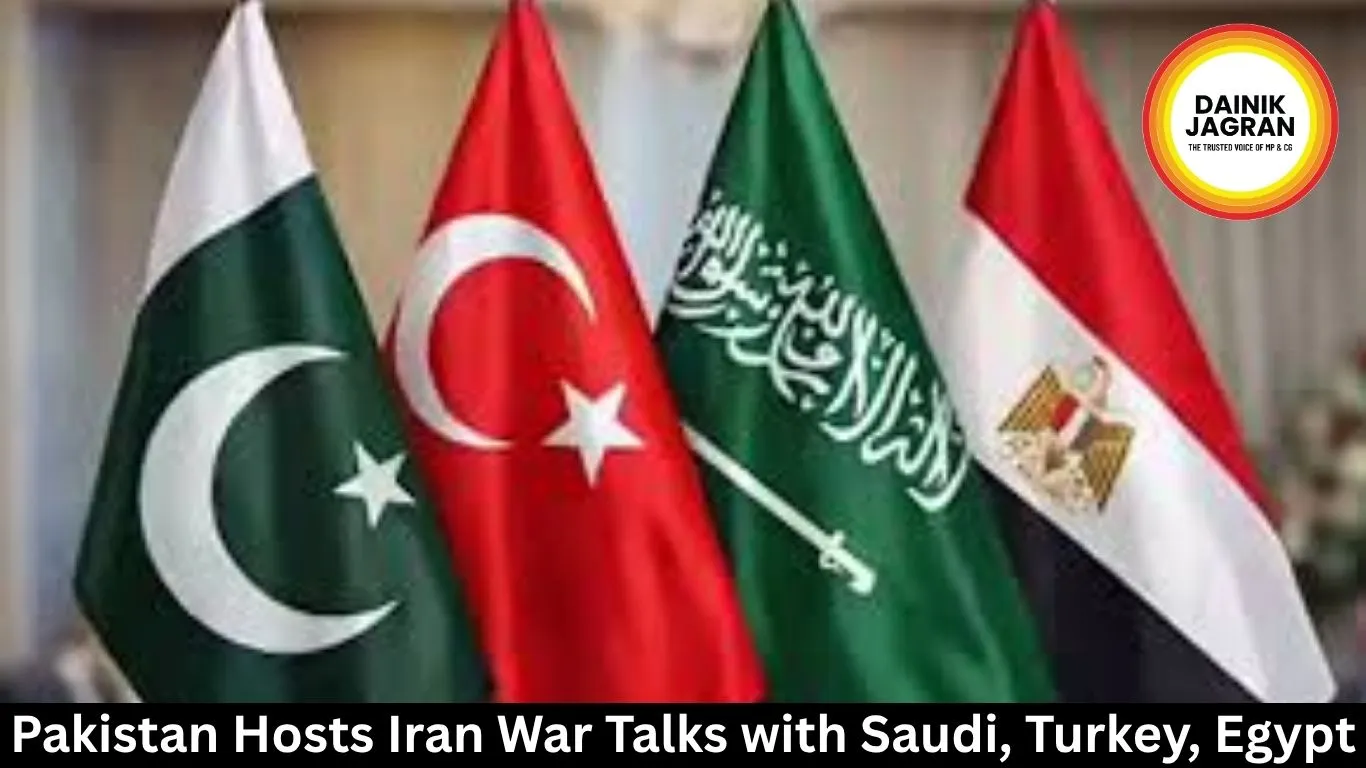
Pakistan on Sunday began hosting a crucial meeting of foreign ministers from Saudi Arabia, Turkey, and Egypt to explore ways to end the 30-day-old US-Israel war on Iran. The gathering in Islamabad signals growing diplomatic efforts by major regional players to de-escalate the conflict.
Egyptian Foreign Minister Badr Abdellatty held initial talks with Pakistan’s Foreign Minister Ishaq Dar upon arrival. Dar is scheduled to hold separate bilateral meetings with Turkish Foreign Minister Hakan Fidan and Saudi Foreign Minister Prince Faisal bin Farhan. He is also expected to brief Prime Minister Shahbaz Sharif on the discussions.
Pakistan Offers Mediation Role
Pakistan has positioned itself as a potential mediator between Washington and Tehran. Officials said Islamabad has forwarded a 15-point US proposal to Iran, which includes halting Tehran’s nuclear programme, scaling down its missile capabilities, ending support for regional proxy groups, and easing sanctions in return.
Iran is currently reviewing the proposal, sources indicated. Pakistani leaders believe these talks could open a path for dialogue at a time when military actions continue across the region.
US Military Build-Up Continues
In a parallel development, the United States has strengthened its military presence in West Asia. The USS Tripoli arrived with approximately 3,500 Marines and Navy personnel as part of the 31st Marine Expeditionary Unit. US Central Command (CENTCOM) confirmed the deployment, which includes transport and strike fighter aircraft along with amphibious assets.
Reports suggest the Pentagon is preparing options for limited ground operations in Iran, including special forces raids, though any final decision rests with President Trump.
Fresh Strikes and Regional Fallout
Israeli forces claimed to have completed another wave of strikes on Iranian government infrastructure in Tehran and other areas. Iran reported civilian casualties and damage in residential zones, including injuries in Hormozgan province. Houthi rebels in Yemen launched a second round of missile and drone attacks on Israel, while Saudi Arabia and Kuwait intercepted multiple drones aimed at their territories.
These incidents highlight how the conflict continues to draw in wider regional actors despite diplomatic initiatives.
Broader Impact on Global Energy and Security
The war has already begun affecting global oil supply routes and prices. Diesel and LPG costs have risen in Cambodia, while shipping through the Strait of Hormuz remains a major concern. Pakistan secured passage for 20 of its flagged vessels through the strait, with two ships allowed daily.
Analysts warn that prolonged fighting could destabilise the entire West Asian region, impact international trade, and trigger further refugee and security challenges.
Calls for Restraint from All Sides
Iranian President Masoud Pazgian urged Gulf countries not to allow their territory to be used for attacks against Iran. Meanwhile, former US diplomat Nabil Khoury described Houthi actions as warnings rather than full engagement, cautioning that closure of the Bab al-Mandeb Strait remains a serious risk if tensions escalate unchecked.
What Lies Ahead
The Islamabad meeting is seen as an important step towards finding a middle path to end the war. Success will depend on whether the major powers involved show willingness to compromise on core issues. Pakistani officials expressed hope that these talks could lead to concrete de-escalation measures in the coming days.
As military movements and strikes continue, the world watches closely whether diplomacy in Pakistan can prevail over escalating conflict in West Asia. The outcome could shape regional stability for years to come.
--------
๐จ Beat the News Rush – Join Now!
Get breaking alerts, hot exclusives, and game-changing stories instantly on your phone. No delays, no fluff – just the edge you need. โก
Tap to join:
๐ข WhatsApp Channel: Dainik Jagran MP CG
Crave more?
๐ Facebook: Dainik Jagran MP CG English
๐ ง Twitter (X): Dainik Jagran MP CG
๐ Instagram: Dainik Jagran MP CG
Share the fire – keep your crew ahead! ๐๏ธ๐ฅ
Pakistan Hosts Iran War Talks with Saudi, Turkey, Egypt
Digital Desk
Pakistan Hosts High-Level Talks on Iran War Amid Escalating Regional Tensions
Saudi, Turkish and Egyptian foreign ministers meet in Islamabad as US deploys 3,500 troops to West Asia in ongoing Iran conflict.
Diplomatic Push in Islamabad
Pakistan on Sunday began hosting a crucial meeting of foreign ministers from Saudi Arabia, Turkey, and Egypt to explore ways to end the 30-day-old US-Israel war on Iran. The gathering in Islamabad signals growing diplomatic efforts by major regional players to de-escalate the conflict.
Egyptian Foreign Minister Badr Abdellatty held initial talks with Pakistan’s Foreign Minister Ishaq Dar upon arrival. Dar is scheduled to hold separate bilateral meetings with Turkish Foreign Minister Hakan Fidan and Saudi Foreign Minister Prince Faisal bin Farhan. He is also expected to brief Prime Minister Shahbaz Sharif on the discussions.
Pakistan Offers Mediation Role
Pakistan has positioned itself as a potential mediator between Washington and Tehran. Officials said Islamabad has forwarded a 15-point US proposal to Iran, which includes halting Tehran’s nuclear programme, scaling down its missile capabilities, ending support for regional proxy groups, and easing sanctions in return.
Iran is currently reviewing the proposal, sources indicated. Pakistani leaders believe these talks could open a path for dialogue at a time when military actions continue across the region.
US Military Build-Up Continues
In a parallel development, the United States has strengthened its military presence in West Asia. The USS Tripoli arrived with approximately 3,500 Marines and Navy personnel as part of the 31st Marine Expeditionary Unit. US Central Command (CENTCOM) confirmed the deployment, which includes transport and strike fighter aircraft along with amphibious assets.
Reports suggest the Pentagon is preparing options for limited ground operations in Iran, including special forces raids, though any final decision rests with President Trump.
Fresh Strikes and Regional Fallout
Israeli forces claimed to have completed another wave of strikes on Iranian government infrastructure in Tehran and other areas. Iran reported civilian casualties and damage in residential zones, including injuries in Hormozgan province. Houthi rebels in Yemen launched a second round of missile and drone attacks on Israel, while Saudi Arabia and Kuwait intercepted multiple drones aimed at their territories.
These incidents highlight how the conflict continues to draw in wider regional actors despite diplomatic initiatives.
Broader Impact on Global Energy and Security
The war has already begun affecting global oil supply routes and prices. Diesel and LPG costs have risen in Cambodia, while shipping through the Strait of Hormuz remains a major concern. Pakistan secured passage for 20 of its flagged vessels through the strait, with two ships allowed daily.
Analysts warn that prolonged fighting could destabilise the entire West Asian region, impact international trade, and trigger further refugee and security challenges.
Calls for Restraint from All Sides
Iranian President Masoud Pazgian urged Gulf countries not to allow their territory to be used for attacks against Iran. Meanwhile, former US diplomat Nabil Khoury described Houthi actions as warnings rather than full engagement, cautioning that closure of the Bab al-Mandeb Strait remains a serious risk if tensions escalate unchecked.
What Lies Ahead
The Islamabad meeting is seen as an important step towards finding a middle path to end the war. Success will depend on whether the major powers involved show willingness to compromise on core issues. Pakistani officials expressed hope that these talks could lead to concrete de-escalation measures in the coming days.
As military movements and strikes continue, the world watches closely whether diplomacy in Pakistan can prevail over escalating conflict in West Asia. The outcome could shape regional stability for years to come.