
.jpg)

.jpg)
Strait of Hormuz Crisis 2026: Global Oil Supply Shock as Iran Tensions Escalate
Digital Desk
Strait of Hormuz Crisis 2026: Why the World Is Watching Closely
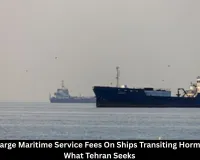
The Strait of Hormuz crisis 2026 has triggered global alarm after Iran effectively choked one of the world’s most critical oil routes, disrupting nearly one-fifth of global oil supply. The narrow waterway between Iran and Oman has become the center of rising geopolitical tensions, with major economies weighing their next moves.
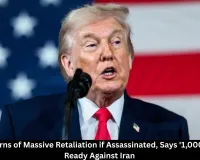
According to international reports, the shutdown has created the biggest energy disruption in recent history, raising concerns of a global economic slowdown. The situation has intensified amid ongoing tensions involving Donald Trump and Iran, pushing global leaders into urgent diplomatic discussions.
Global Powers Divided Over Military Involvement
Despite calls from the United States to form a coalition to secure the waterway, key allies have hesitated to get involved militarily in the Strait of Hormuz crisis 2026.
Several countries have made their positions clear:
Japan, led by Sanae Takaichi, has declined to send naval vessels.
Australia has also refused participation, citing lack of formal request.
South Korea is still reviewing the proposal due to constitutional constraints.
The UK, under Keir Starmer, has avoided deeper military engagement.
European nations like Germany have taken a strong stance. Defence Minister Boris Pistorius stated that the conflict is “not their war,” reflecting growing reluctance among Western allies.
Strategic Importance of the Strait of Hormuz
The Strait of Hormuz is one of the most vital maritime chokepoints in the world. Any disruption here directly impacts global oil prices and supply chains.
Why it matters now:
Nearly 20% of global oil passes through this route
Major Asian economies depend heavily on this supply
Rising tensions could trigger a prolonged global energy crisis
With tankers reportedly lining up and delays increasing, industries worldwide are bracing for economic ripple effects.
Rising Military Tensions and Threats
Iran’s Islamic Revolutionary Guard Corps has escalated the situation by threatening to target US-linked companies in the region. This warning has heightened fears of a broader regional conflict.
Meanwhile, Israel has indicated that it has operational plans extending over the next three weeks, signaling potential further escalation. The situation remains volatile, with military and diplomatic developments unfolding rapidly.
Expert Insights: What Happens Next?
Geopolitical analysts believe the Strait of Hormuz crisis 2026 could reshape global alliances and energy strategies.
Key takeaways:
Countries may accelerate transition to alternative energy sources
Oil prices could remain volatile in the short term
Diplomatic negotiations will be critical to avoid escalation
Experts also suggest that China’s role could be निर्णायक, given its heavy reliance on Middle Eastern oil.
Conclusion: A Defining Moment for Global Stability
The Strait of Hormuz crisis 2026 is not just a regional conflict—it is a global turning point. With major powers divided and energy markets under pressure, the coming weeks will be crucial in determining whether diplomacy prevails or tensions escalate further.
For now, the world watches closely as one narrow stretch of water holds the key to global economic stability.


.jpg)




