US-Iran Conflict Escalates: Fourth Day of US Airstrikes, Maritime Blockade and Trump Issues Fresh Warning

Digital Desk

US-Iran Conflict Escalates: Fourth Day of US Airstrikes, Maritime Blockade and Trump Issues Fresh Warning

The US launched airstrikes on Iran for a fourth consecutive day while reimposing a naval blockade. Donald Trump warned of wider attacks unless Tehran resumes negotiations, as regional tensions continue to escalate.

Fresh airstrikes, maritime blockade, and threats against Iran's infrastructure deepen regional tensions as Tehran accuses the US of war crimes at the United Nations.

The United States has carried out military strikes against Iran for the fourth consecutive day, significantly escalating tensions in West Asia despite recent diplomatic efforts aimed at reducing hostilities. Alongside sustained air operations, Washington has imposed a renewed maritime blockade on Iranian ports, intensifying pressure on Tehran to return to negotiations over its nuclear programme and regional security issues.

US President Donald Trump warned that military operations would continue unless Iran resumed talks, indicating that American forces could expand their campaign to include strategic infrastructure.

Speaking to Fox News, Trump said the United States would continue striking Iranian targets and warned that power plants and bridges could become future targets if diplomatic efforts failed.

"We will continue until a deal is reached," Trump said, adding that ground operations remained an option if required, though any such move would likely involve allied support.

Fresh Strikes Across Southern Iran

According to the US Central Command (CENTCOM), American fighter aircraft, naval assets and drones conducted nearly seven hours of coordinated military operations targeting missile launch sites, drone facilities, coastal defence systems and naval installations near the Strait of Hormuz and southern Iranian coastline.

Explosions were reported in multiple locations, including the coastal city of Sirik, although the full extent of the damage has not been independently verified.

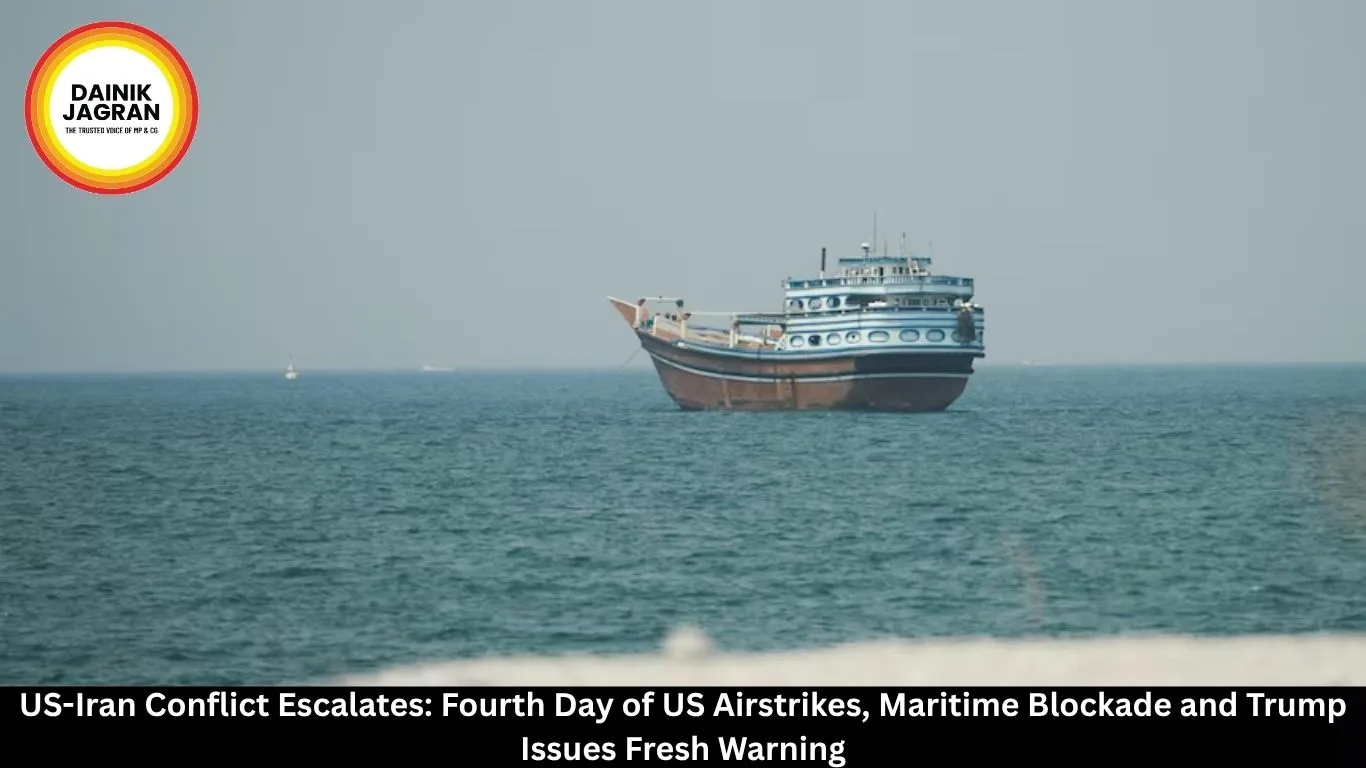
The United States has also reimposed restrictions on vessels entering and leaving Iranian ports, effectively restoring a naval blockade that officials say is intended to limit Iran's military logistics and increase economic pressure.

Iran Responds With Regional Threats

Iran has strongly condemned the latest US military action, accusing Washington of violating previous understandings and deliberately targeting civilian infrastructure.

In a letter addressed to United Nations Secretary-General António Guterres, Iran's Permanent Representative Amir Saeid Iravani described the United States as the "aggressor" in the conflict and alleged that recent attacks amounted to war crimes and crimes against humanity.

Iran's Islamic Revolutionary Guard Corps (IRGC) claimed responsibility for missile and drone attacks targeting US military facilities in Bahrain, Kuwait and Jordan, though these claims have not been independently confirmed.

The IRGC also warned that regional energy infrastructure and oil export routes associated with the United States and its allies could become legitimate targets if hostilities continued.

Tehran further declared that the Strait of Hormuz would remain closed until what it described as "US acts of aggression" came to an end, raising concerns over global energy supplies.

Regional Security Concerns Grow

Jordan said its air defence systems intercepted three ballistic missiles that entered its airspace from Iran.

Meanwhile, the United Nations Security Council voted to extend monitoring of Houthi attacks in the Red Sea for another six months, reflecting growing concerns over maritime security throughout the region.

The resolution received support from 13 members of the Security Council, while China and Russia abstained.

Political Divisions Deepen in the US

The expanding conflict has also intensified political debate in Washington.

Several Democratic lawmakers have announced support for proposals aimed at ending US military assistance to Israel, arguing that American military involvement across the region should be reassessed.

Representative Greg Casar backed efforts to halt additional military funding, while Congressman Ro Khanna said he would oppose further aid packages linked to ongoing military operations in Gaza.

Key Flashpoints Behind the Crisis

The renewed confrontation stems from multiple unresolved disputes, including Iran's nuclear programme, US economic sanctions, maritime security in the Strait of Hormuz, and broader competition for strategic influence across West Asia.

Approximately one-fifth of global crude oil supplies transit through the Strait of Hormuz, making any disruption to shipping a significant concern for international energy markets.

As military operations continue on both sides, diplomatic channels remain stalled, with no immediate indication that negotiations will resume.

 

--------

🚨 Beat the News Rush – Join Now!

Get breaking alerts, hot exclusives, and game-changing stories instantly on your phone. No delays, no fluff – just the edge you need. ⚡

Tap to join: 

🟢 WhatsApp Channel: Dainik Jagran MP CG

Crave more?

🅕 Facebook: Dainik Jagran MP CG English

🅧 Twitter (X): Dainik Jagran MP CG

🅘 Instagram: Dainik Jagran MP CG

Share the fire – keep your crew ahead! 🗞️🔥

english.dainikjagranmpcg.com
15 Jul 2026 By Abhishek Joshi

US-Iran Conflict Escalates: Fourth Day of US Airstrikes, Maritime Blockade and Trump Issues Fresh Warning

Digital Desk

Fresh airstrikes, maritime blockade, and threats against Iran's infrastructure deepen regional tensions as Tehran accuses the US of war crimes at the United Nations.

The United States has carried out military strikes against Iran for the fourth consecutive day, significantly escalating tensions in West Asia despite recent diplomatic efforts aimed at reducing hostilities. Alongside sustained air operations, Washington has imposed a renewed maritime blockade on Iranian ports, intensifying pressure on Tehran to return to negotiations over its nuclear programme and regional security issues.

US President Donald Trump warned that military operations would continue unless Iran resumed talks, indicating that American forces could expand their campaign to include strategic infrastructure.

Speaking to Fox News, Trump said the United States would continue striking Iranian targets and warned that power plants and bridges could become future targets if diplomatic efforts failed.

"We will continue until a deal is reached," Trump said, adding that ground operations remained an option if required, though any such move would likely involve allied support.

Fresh Strikes Across Southern Iran

According to the US Central Command (CENTCOM), American fighter aircraft, naval assets and drones conducted nearly seven hours of coordinated military operations targeting missile launch sites, drone facilities, coastal defence systems and naval installations near the Strait of Hormuz and southern Iranian coastline.

Explosions were reported in multiple locations, including the coastal city of Sirik, although the full extent of the damage has not been independently verified.

The United States has also reimposed restrictions on vessels entering and leaving Iranian ports, effectively restoring a naval blockade that officials say is intended to limit Iran's military logistics and increase economic pressure.

Iran Responds With Regional Threats

Iran has strongly condemned the latest US military action, accusing Washington of violating previous understandings and deliberately targeting civilian infrastructure.

In a letter addressed to United Nations Secretary-General António Guterres, Iran's Permanent Representative Amir Saeid Iravani described the United States as the "aggressor" in the conflict and alleged that recent attacks amounted to war crimes and crimes against humanity.

Iran's Islamic Revolutionary Guard Corps (IRGC) claimed responsibility for missile and drone attacks targeting US military facilities in Bahrain, Kuwait and Jordan, though these claims have not been independently confirmed.

The IRGC also warned that regional energy infrastructure and oil export routes associated with the United States and its allies could become legitimate targets if hostilities continued.

Tehran further declared that the Strait of Hormuz would remain closed until what it described as "US acts of aggression" came to an end, raising concerns over global energy supplies.

Regional Security Concerns Grow

Jordan said its air defence systems intercepted three ballistic missiles that entered its airspace from Iran.

Meanwhile, the United Nations Security Council voted to extend monitoring of Houthi attacks in the Red Sea for another six months, reflecting growing concerns over maritime security throughout the region.

The resolution received support from 13 members of the Security Council, while China and Russia abstained.

Political Divisions Deepen in the US

The expanding conflict has also intensified political debate in Washington.

Several Democratic lawmakers have announced support for proposals aimed at ending US military assistance to Israel, arguing that American military involvement across the region should be reassessed.

Representative Greg Casar backed efforts to halt additional military funding, while Congressman Ro Khanna said he would oppose further aid packages linked to ongoing military operations in Gaza.

Key Flashpoints Behind the Crisis

The renewed confrontation stems from multiple unresolved disputes, including Iran's nuclear programme, US economic sanctions, maritime security in the Strait of Hormuz, and broader competition for strategic influence across West Asia.

Approximately one-fifth of global crude oil supplies transit through the Strait of Hormuz, making any disruption to shipping a significant concern for international energy markets.

As military operations continue on both sides, diplomatic channels remain stalled, with no immediate indication that negotiations will resume.


https://english.dainikjagranmpcg.com/special-news/us-iran-conflict-escalates-fourth-day-of-us-airstrikes-maritime-blockade/article-22215

Trending News