

The Republic Day chief guest is typically a head of state or government from a country New Delhi views as strategically important. In recent years, leaders from Europe have featured prominently, reflecting India’s effort to deepen engagement with the European Union and key individual nations amid a shifting global order.
The chief guest honours participation in India’s Republic Day parade, a ceremonial event showcasing military strength, cultural diversity and constitutional values. Beyond symbolism, the visit frequently coincides with bilateral summits, closed-door talks and the signing of major agreements.
The invitation is tied to January 26, when India commemorates the adoption of its Constitution. The timing offers visiting leaders maximum diplomatic visibility and access to India’s political and strategic leadership.
Events are centred in New Delhi, particularly along Kartavya Path, where the parade is attended by the President, Prime Minister, Cabinet members, military chiefs and foreign dignitaries.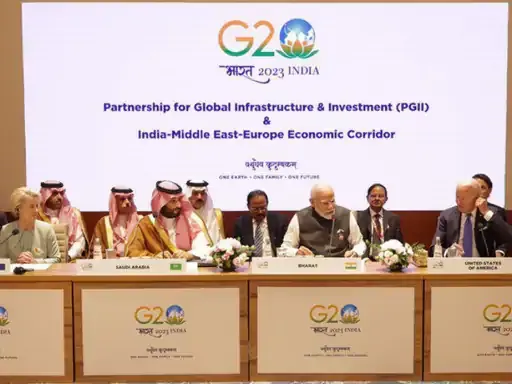
According to diplomats, the chief guest seat is a calculated signal of trust, alignment and long-term intent. For European leaders navigating geopolitical tensions involving Russia, China and the United States, the Republic Day platform offers strategic relevance in South Asia and the Indo-Pacific.
A senior official noted that the invitation “communicates India’s priorities to the global community without a formal statement”.
High-profile visits often unlock what officials call the “mother of all deals” — large, multi-sector agreements spanning defence manufacturing, critical technologies, clean energy, semiconductors and trade. Past Republic Day visits have helped advance negotiations on fighter jet engines, submarines, green hydrogen cooperation and free trade agreements that had remained stalled for years.
India has previously hosted leaders from the US, France, Japan and the UK as Republic Day guests. France, invited multiple times, has consistently combined ceremonial visits with substantive defence and strategic outcomes.
As global uncertainty deepens, analysts believe the Republic Day chief guest seat will remain a key diplomatic lever. European leaders’ January 26 engagements are expected to be assessed not just for pageantry, but for the strategic and economic outcomes they deliver.

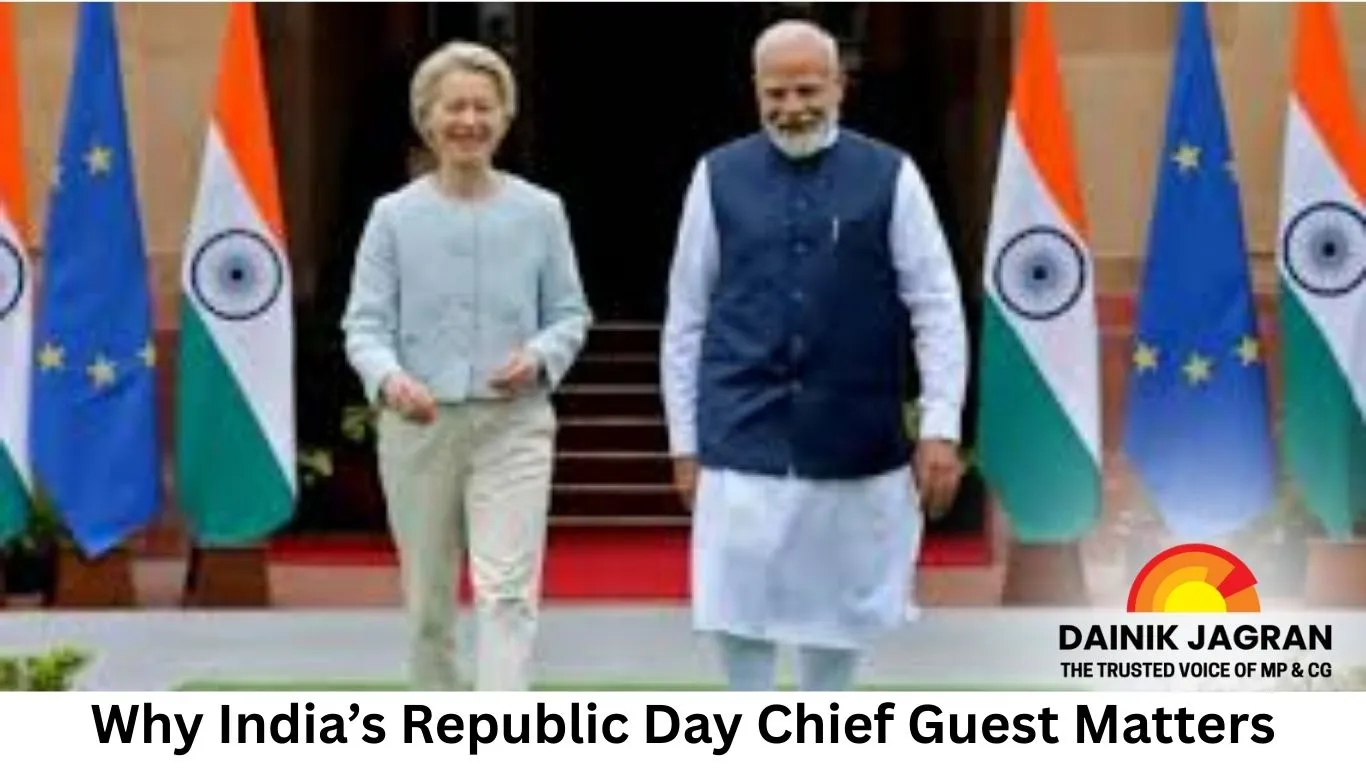
Why India’s Republic Day Chief Guest Matters: European Leaders, January 26 Diplomacy and the Stakes Behind the ‘Mother of All Deals’
Digital Desk
The Republic Day chief guest is typically a head of state or government from a country New Delhi views as strategically important. In recent years, leaders from Europe have featured prominently, reflecting India’s effort to deepen engagement with the European Union and key individual nations amid a shifting global order.
The chief guest honours participation in India’s Republic Day parade, a ceremonial event showcasing military strength, cultural diversity and constitutional values. Beyond symbolism, the visit frequently coincides with bilateral summits, closed-door talks and the signing of major agreements.
The invitation is tied to January 26, when India commemorates the adoption of its Constitution. The timing offers visiting leaders maximum diplomatic visibility and access to India’s political and strategic leadership.
Events are centred in New Delhi, particularly along Kartavya Path, where the parade is attended by the President, Prime Minister, Cabinet members, military chiefs and foreign dignitaries.
According to diplomats, the chief guest seat is a calculated signal of trust, alignment and long-term intent. For European leaders navigating geopolitical tensions involving Russia, China and the United States, the Republic Day platform offers strategic relevance in South Asia and the Indo-Pacific.
A senior official noted that the invitation “communicates India’s priorities to the global community without a formal statement”.
High-profile visits often unlock what officials call the “mother of all deals” — large, multi-sector agreements spanning defence manufacturing, critical technologies, clean energy, semiconductors and trade. Past Republic Day visits have helped advance negotiations on fighter jet engines, submarines, green hydrogen cooperation and free trade agreements that had remained stalled for years.
India has previously hosted leaders from the US, France, Japan and the UK as Republic Day guests. France, invited multiple times, has consistently combined ceremonial visits with substantive defence and strategic outcomes.
As global uncertainty deepens, analysts believe the Republic Day chief guest seat will remain a key diplomatic lever. European leaders’ January 26 engagements are expected to be assessed not just for pageantry, but for the strategic and economic outcomes they deliver.
.jpg)




