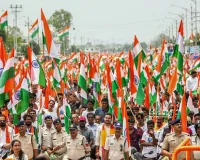
.jpg) Bastar’s first post-Maoist Independence Day brought the Tricolour to former insurgency strongholds in Bijapur, Sukma and Narayanpur, marking a visible shift from fear to open public celebrations.
Bastar’s first post-Maoist Independence Day brought the Tricolour to former insurgency strongholds in Bijapur, Sukma and Narayanpur, marking a visible shift from fear to open public celebrations.
Tricolour Flies Freely
The Tricolour rose on Saturday in villages and former Maoist strongholds across Bastar, turning the 80th Independence Day into a significant public milestone for communities that had lived for years under the shadow of armed insurgency.
The celebrations followed the state government’s announcement that 92 villages — 33 in Bijapur, 50 in Sukma and nine in Narayanpur — would hoist the national flag on August 15. Officials had described the event as the first Independence Day celebration in these villages after the end of the armed Maoist campaign in the state.
Bijapur Marks New Chapter
In Bijapur, the Tricolour was raised at Karreguttalu Hills, an area long associated with Maoist activity. The flag-hoisting carried particular significance in a landscape where national celebrations had previously faced restrictions and security concerns.
The ceremony formed part of a wider effort to bring remote settlements into regular civic and administrative activity. Officials and security personnel joined residents as the national flag was unfurled, turning a once-sensitive location into a public Independence Day venue.
Sukma Villages Join In
Sukma witnessed another prominent ceremony at Minpa, a former Maoist stronghold. The village had become associated with the deadly March 2020 ambush in which 17 security personnel were killed.
This year, the same area witnessed the Tricolour being raised openly. Sukma Superintendent of Police Mayank Gurjar described the celebration as part of a broader change in areas where villagers had previously lived under fear of Maoist intimidation.
The ceremony at Minpa gave the day a particularly strong symbolic dimension. A location remembered for violence instead became a site of a national celebration attended by local residents and security personnel.
Narayanpur Joins Celebrations
Narayanpur was also among the three districts at the centre of this year’s expansion of Independence Day celebrations. Nine villages from the district were included in the 92-village programme announced ahead of August 15.
The celebrations followed months of efforts to strengthen administrative presence and public participation in remote areas. The focus was not limited to flag-hoisting, with the broader campaign also involving community outreach and activities intended to connect residents with constitutional institutions.
Fear Gives Way To Participation
The significance of the celebrations lies as much in the atmosphere as in the ceremony itself. For years, Maoist groups used national festivals to issue boycott calls, circulate pamphlets and discourage villagers from publicly observing Independence Day.
In some insurgency-affected pockets, black or red flags replaced the Tricolour and celebrations were either avoided or conducted under heavy security. Officials now say the situation has changed substantially, allowing residents to participate more openly.
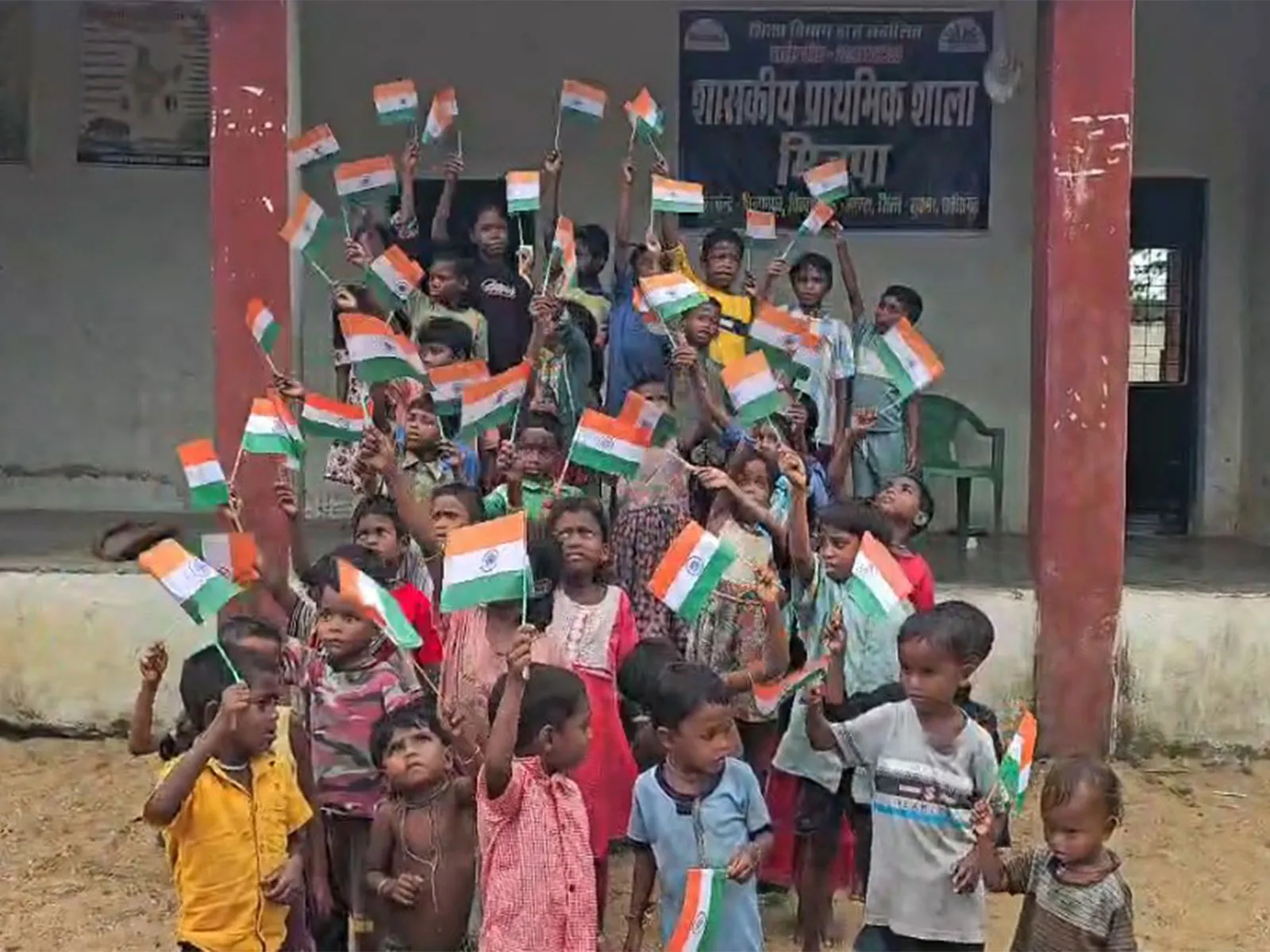
The contrast was visible this year as villagers, children and security personnel participated in programmes around the national flag.
500 Places Get New Names
The Independence Day programme extended beyond the 92 villages. More than 500 locations across Bastar, including schools, community buildings and public spaces, were also scheduled to be named after martyrs and local figures.
The initiative is part of the government’s wider attempt to strengthen the connection between remote communities, public institutions and the national mainstream. Officials have also organised Tiranga Yatras and outreach programmes in locations once strongly associated with Maoist violence.
A Different Bastar Emerges
The celebrations do not erase Bastar’s long history of violence, displacement and loss. But Saturday’s scenes offered a clear contrast with the atmosphere that once surrounded national festivals in several interior areas.
For residents of Bijapur, Sukma and Narayanpur, the sight of the Tricolour flying openly carried a meaning beyond the formal Independence Day ceremony. The 92-village programme represents a shift towards greater public participation in national and constitutional events, while the ceremonies at places such as Karreguttalu and Minpa underline how dramatically the security environment has changed.
This outcome follows the earlier report on the 92 villages and gives the story its next chapter: the Tricolour has moved from a planned symbol of change to a visible part of Independence Day in former Maoist strongholds across Bastar.

India Became Free in 1947. In These Bastar Villages, Residents Say Freedom Has Arrived in 2026
Digital Desk
Bastar’s first post-Maoist Independence Day brought the Tricolour to former insurgency strongholds in Bijapur, Sukma and Narayanpur, marking a visible shift from fear to open public celebrations.
Tricolour Flies Freely
The Tricolour rose on Saturday in villages and former Maoist strongholds across Bastar, turning the 80th Independence Day into a significant public milestone for communities that had lived for years under the shadow of armed insurgency.
The celebrations followed the state government’s announcement that 92 villages — 33 in Bijapur, 50 in Sukma and nine in Narayanpur — would hoist the national flag on August 15. Officials had described the event as the first Independence Day celebration in these villages after the end of the armed Maoist campaign in the state.
Bijapur Marks New Chapter
In Bijapur, the Tricolour was raised at Karreguttalu Hills, an area long associated with Maoist activity. The flag-hoisting carried particular significance in a landscape where national celebrations had previously faced restrictions and security concerns.
The ceremony formed part of a wider effort to bring remote settlements into regular civic and administrative activity. Officials and security personnel joined residents as the national flag was unfurled, turning a once-sensitive location into a public Independence Day venue.
Sukma Villages Join In
Sukma witnessed another prominent ceremony at Minpa, a former Maoist stronghold. The village had become associated with the deadly March 2020 ambush in which 17 security personnel were killed.
This year, the same area witnessed the Tricolour being raised openly. Sukma Superintendent of Police Mayank Gurjar described the celebration as part of a broader change in areas where villagers had previously lived under fear of Maoist intimidation.
The ceremony at Minpa gave the day a particularly strong symbolic dimension. A location remembered for violence instead became a site of a national celebration attended by local residents and security personnel.
Narayanpur Joins Celebrations
Narayanpur was also among the three districts at the centre of this year’s expansion of Independence Day celebrations. Nine villages from the district were included in the 92-village programme announced ahead of August 15.
The celebrations followed months of efforts to strengthen administrative presence and public participation in remote areas. The focus was not limited to flag-hoisting, with the broader campaign also involving community outreach and activities intended to connect residents with constitutional institutions.
Fear Gives Way To Participation
The significance of the celebrations lies as much in the atmosphere as in the ceremony itself. For years, Maoist groups used national festivals to issue boycott calls, circulate pamphlets and discourage villagers from publicly observing Independence Day.
In some insurgency-affected pockets, black or red flags replaced the Tricolour and celebrations were either avoided or conducted under heavy security. Officials now say the situation has changed substantially, allowing residents to participate more openly.
The contrast was visible this year as villagers, children and security personnel participated in programmes around the national flag.
500 Places Get New Names
The Independence Day programme extended beyond the 92 villages. More than 500 locations across Bastar, including schools, community buildings and public spaces, were also scheduled to be named after martyrs and local figures.
The initiative is part of the government’s wider attempt to strengthen the connection between remote communities, public institutions and the national mainstream. Officials have also organised Tiranga Yatras and outreach programmes in locations once strongly associated with Maoist violence.
A Different Bastar Emerges
The celebrations do not erase Bastar’s long history of violence, displacement and loss. But Saturday’s scenes offered a clear contrast with the atmosphere that once surrounded national festivals in several interior areas.
For residents of Bijapur, Sukma and Narayanpur, the sight of the Tricolour flying openly carried a meaning beyond the formal Independence Day ceremony. The 92-village programme represents a shift towards greater public participation in national and constitutional events, while the ceremonies at places such as Karreguttalu and Minpa underline how dramatically the security environment has changed.
This outcome follows the earlier report on the 92 villages and gives the story its next chapter: the Tricolour has moved from a planned symbol of change to a visible part of Independence Day in former Maoist strongholds across Bastar.