
Grafted Plants Revive Wilt-Stricken Crops in Sarguja; Young Farmer Provides Employment to 400 Women Across 17 States
Digital Desk
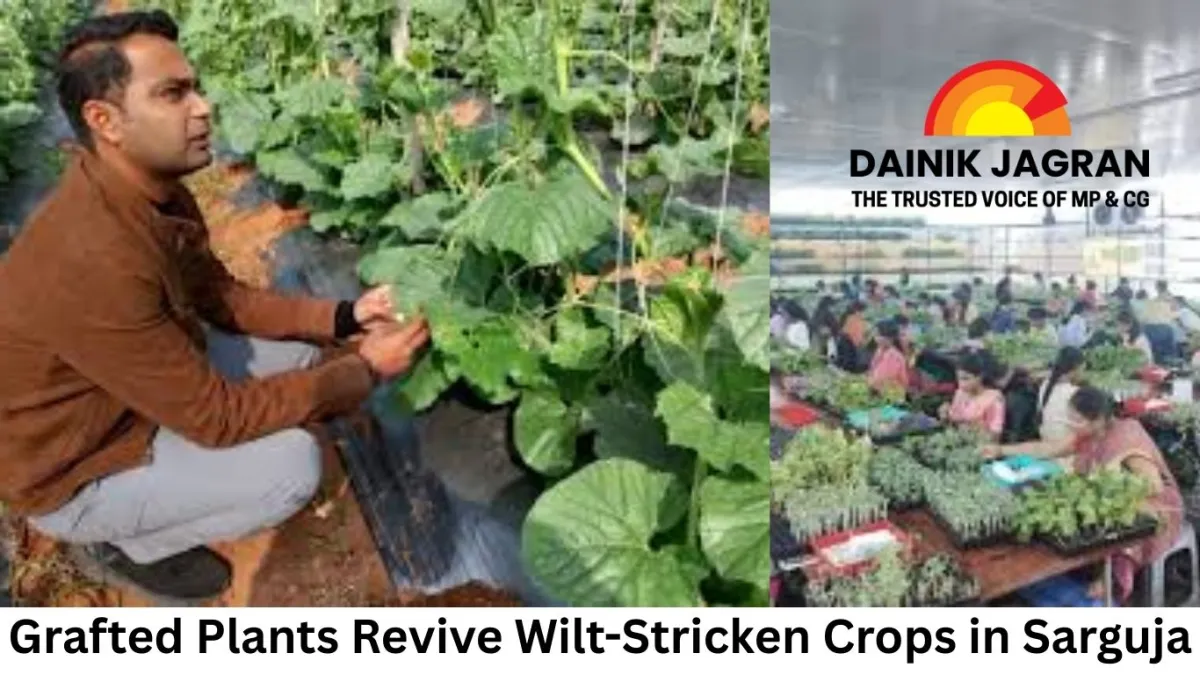
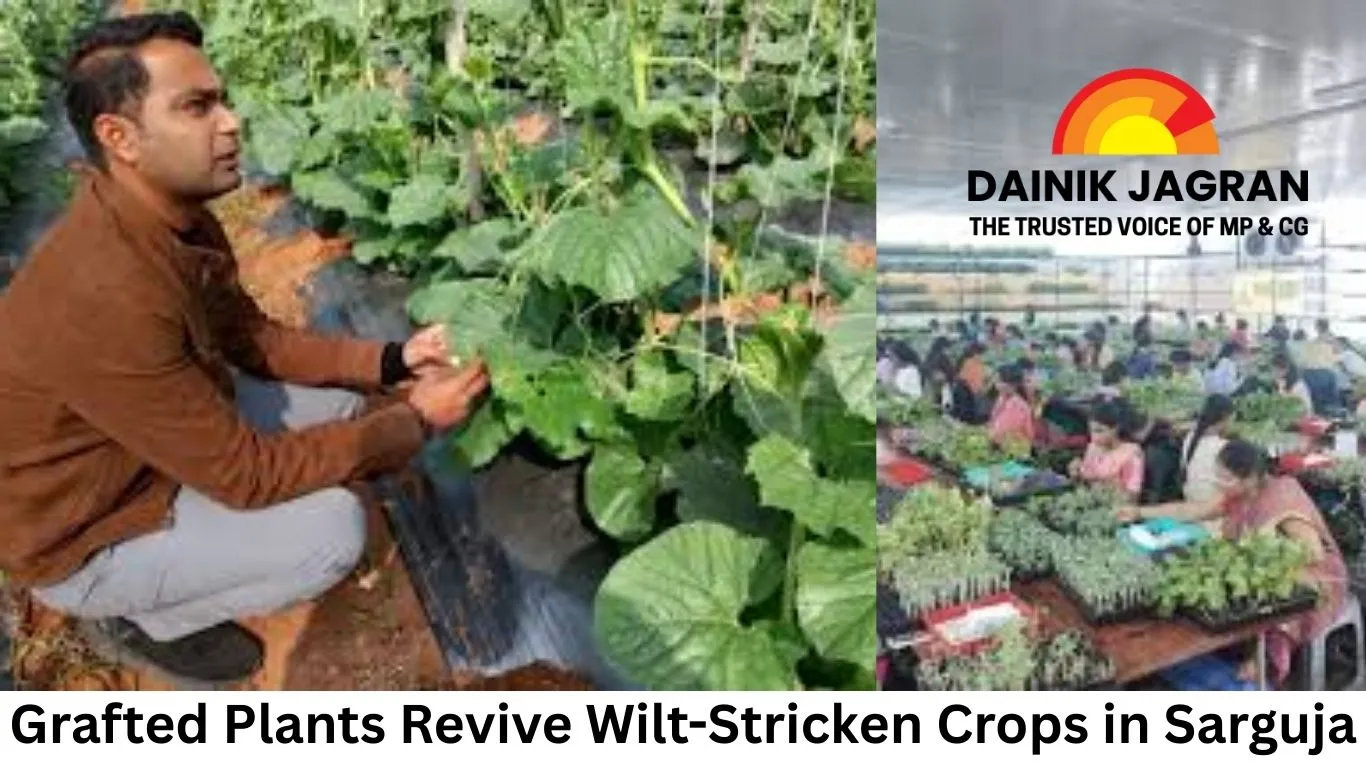
Young farmer Vitish Gupta from Ambikapur introduced grafting techniques, offering farmers a lifeline. Grafting involves joining a crop’s fruiting variety onto a disease-resistant rootstock, creating robust plants that can withstand soil-borne pathogens and adverse conditions.
After completing his B.Tech in Bengaluru, Vitish chose farming over a corporate career, inspired by his grandfather, who had been helping local farmers achieve self-reliance since 2005. In 2022, Vitish launched “Karji Farm,” cultivating grafted plants on a 14-acre polyhouse. The initial results were transformative, restoring hope for farmers in areas like Lundra, Bagicha, and Kalyanpur, where soil diseases had destroyed nearly 80% of crops. Yield doubled to tripled, and fields regained greenery.
Today, Vitish supplies grafted tomato, brinjal, and chili plants to thousands of farmers across 17 states, including Odisha, West Bengal, Jharkhand, Bihar, Maharashtra, Madhya Pradesh, Punjab, Haryana, Uttar Pradesh, Uttarakhand, and Karnataka. Beyond providing plants, he offers on-site guidance and real-time solutions via WhatsApp.
Vitish’s grafting model has not only revived farming but also generated employment. Over 400 women are now earning at least ₹400 daily, while the farm has supplied plants worth ₹1.5 crore in a year.
Grafting Technique Explained
In this method, the rootstock of a disease-resistant plant is joined with the scion of a fruiting vegetable. The vascular systems of both parts integrate, producing a new plant that combines disease resistance with high-yielding traits. Grafted plants are better equipped to resist soil diseases, pests, and adverse soil or climatic conditions, ensuring stronger growth and higher productivity.
Vitish Gupta’s initiative demonstrates how modern techniques and local innovation can revive agriculture, boost income, and create sustainable livelihoods for communities.