MP commercial LPG supply resumes after 13-day crisis
Digital Desk
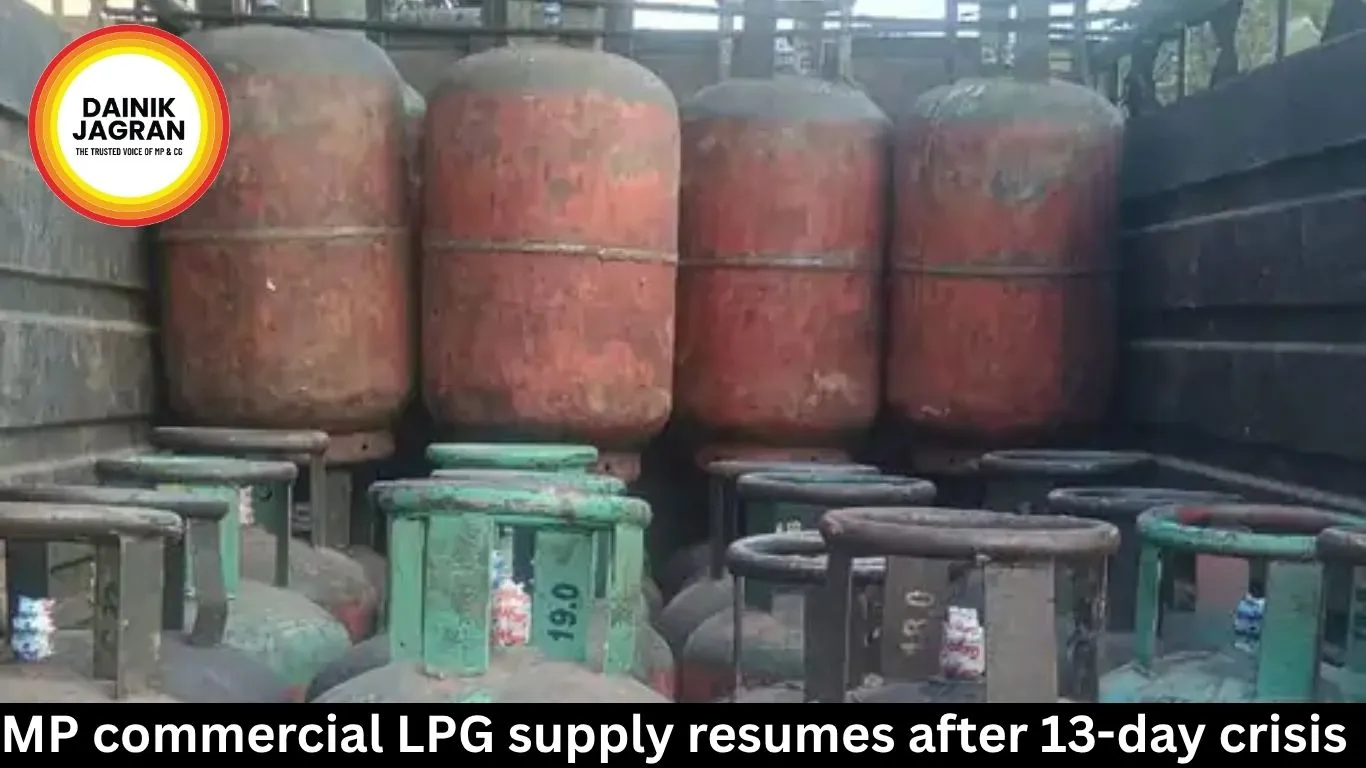
Madhya Pradesh government issues fresh orders to resume commercial LPG supply for hotels, dhabas, and street vendors after a 13-day shutdown hit 50,000 eateries.
MP's 13-Day Commercial LPG Crisis Ends as Government Issues Fresh Supply Orders
Hotels, dhabas, and street food vendors across Madhya Pradesh are set to receive commercial LPG cylinders from Tuesday after the state government issued emergency directives on Monday night.
Supply Resumes After 13 Days
Madhya Pradesh's commercial LPG supply, which had been stalled for nearly a fortnight, is on course to restart after the state government stepped in with a formal order late Monday. The directive, issued on March 23, covers hotels, restaurants, caterers, dhabas, and street food vendors — businesses that had been operating under severe strain since the supply lines went cold.
As per the order, hotels and restaurants will receive 9 percent of their commercial LPG quota, while dhabas and street food vendors are to be allotted 7 percent. Cylinders will also be made available to caterers and other commercial establishments in the food sector.
Over 50,000 Businesses Hit
The supply freeze affected more than 50,000 food outlets across the state, pushing several to the edge of closure. Operators were forced to make do with diesel furnaces and induction cooktops — workarounds that drove up costs and compromised service, with smaller dhabas and street vendors bearing the worst of it.
Menus were revised at several eateries as proprietors scrambled to manage with limited cooking options. For many, the disruption stretched into the busiest hours of the day, affecting both revenue and footfall.
Central Guidelines vs State-Level Delays
According to reports, the central government's revised policy allows for a 10 percent allocation of commercial cylinders. However, the absence of a clear distribution order at the state level created a vacuum that deepened the shortage over nearly two weeks. Officials have not publicly elaborated on why the directive took as long to arrive.
Associations Met Official a Day Before Order
Hotel and restaurant bodies in Madhya Pradesh had already escalated the matter before Monday's order came through. On Sunday, representatives of the hospitality sector met Rashmi Shami, Additional Chief Secretary of the Food and Civil Supplies Department, pressing for an immediate restoration of supply.
Sources indicated the government's directive followed directly from that meeting, suggesting official intervention came only after sustained pressure from trade associations.
Relief for Bhopal's Hotel Sector
Tejkulpal Singh Pali, president of the Bhopal Hotel and Restaurant Association, said the situation had reached a tipping point, with businesses on the verge of shutting down entirely due to the commercial gas supply restrictions. His remarks reflect the broader sentiment among hoteliers in the city, where around 2,000 establishments were affected.
Abhishek Baheti, a representative of the National Restaurant Association of India (NRAI), described the supply crisis as severe, adding that the fresh government order would provide immediate relief to the trade.
Sector Impact and Operational Strain
The ripple effects of the supply disruption extended well beyond individual establishments. Street food vendors — among the most financially vulnerable in the food ecosystem — had limited capacity to pivot to alternative fuels. For many, induction-based cooking or diesel-run setups were either too expensive or impractical for open-air operations.
The episode has drawn attention to the need for tighter coordination between central policy updates and state-level supply chains, particularly in sectors where business continuity depends on uninterrupted LPG access.
What Comes Next
With supply expected to resume from Tuesday, stakeholders will be watching whether the allocated percentages — 9 percent for hotels and 7 percent for dhabas — are sufficient to clear the backlog and restore normal operations. Industry bodies have signalled they will continue to push for the full 10 percent entitlement outlined under central guidelines.
As per reports, authorities are expected to ensure uninterrupted commercial LPG supply going forward, though no formal assurance has yet been issued on preventing a recurrence of such disruptions.
MP commercial LPG supply resumes after 13-day crisis
Digital Desk
MP's 13-Day Commercial LPG Crisis Ends as Government Issues Fresh Supply Orders
Hotels, dhabas, and street food vendors across Madhya Pradesh are set to receive commercial LPG cylinders from Tuesday after the state government issued emergency directives on Monday night.
Supply Resumes After 13 Days
Madhya Pradesh's commercial LPG supply, which had been stalled for nearly a fortnight, is on course to restart after the state government stepped in with a formal order late Monday. The directive, issued on March 23, covers hotels, restaurants, caterers, dhabas, and street food vendors — businesses that had been operating under severe strain since the supply lines went cold.
As per the order, hotels and restaurants will receive 9 percent of their commercial LPG quota, while dhabas and street food vendors are to be allotted 7 percent. Cylinders will also be made available to caterers and other commercial establishments in the food sector.
Over 50,000 Businesses Hit
The supply freeze affected more than 50,000 food outlets across the state, pushing several to the edge of closure. Operators were forced to make do with diesel furnaces and induction cooktops — workarounds that drove up costs and compromised service, with smaller dhabas and street vendors bearing the worst of it.
Menus were revised at several eateries as proprietors scrambled to manage with limited cooking options. For many, the disruption stretched into the busiest hours of the day, affecting both revenue and footfall.
Central Guidelines vs State-Level Delays
According to reports, the central government's revised policy allows for a 10 percent allocation of commercial cylinders. However, the absence of a clear distribution order at the state level created a vacuum that deepened the shortage over nearly two weeks. Officials have not publicly elaborated on why the directive took as long to arrive.
Associations Met Official a Day Before Order
Hotel and restaurant bodies in Madhya Pradesh had already escalated the matter before Monday's order came through. On Sunday, representatives of the hospitality sector met Rashmi Shami, Additional Chief Secretary of the Food and Civil Supplies Department, pressing for an immediate restoration of supply.
Sources indicated the government's directive followed directly from that meeting, suggesting official intervention came only after sustained pressure from trade associations.
Relief for Bhopal's Hotel Sector
Tejkulpal Singh Pali, president of the Bhopal Hotel and Restaurant Association, said the situation had reached a tipping point, with businesses on the verge of shutting down entirely due to the commercial gas supply restrictions. His remarks reflect the broader sentiment among hoteliers in the city, where around 2,000 establishments were affected.
Abhishek Baheti, a representative of the National Restaurant Association of India (NRAI), described the supply crisis as severe, adding that the fresh government order would provide immediate relief to the trade.
Sector Impact and Operational Strain
The ripple effects of the supply disruption extended well beyond individual establishments. Street food vendors — among the most financially vulnerable in the food ecosystem — had limited capacity to pivot to alternative fuels. For many, induction-based cooking or diesel-run setups were either too expensive or impractical for open-air operations.
The episode has drawn attention to the need for tighter coordination between central policy updates and state-level supply chains, particularly in sectors where business continuity depends on uninterrupted LPG access.
What Comes Next
With supply expected to resume from Tuesday, stakeholders will be watching whether the allocated percentages — 9 percent for hotels and 7 percent for dhabas — are sufficient to clear the backlog and restore normal operations. Industry bodies have signalled they will continue to push for the full 10 percent entitlement outlined under central guidelines.
As per reports, authorities are expected to ensure uninterrupted commercial LPG supply going forward, though no formal assurance has yet been issued on preventing a recurrence of such disruptions.