MP Transfer Policy 2026 Brings Strict Performance Rules
Digital Desk
Madhya Pradesh government allows transfers from June 1 to 15; officials failing targets may face early relocation under new policy
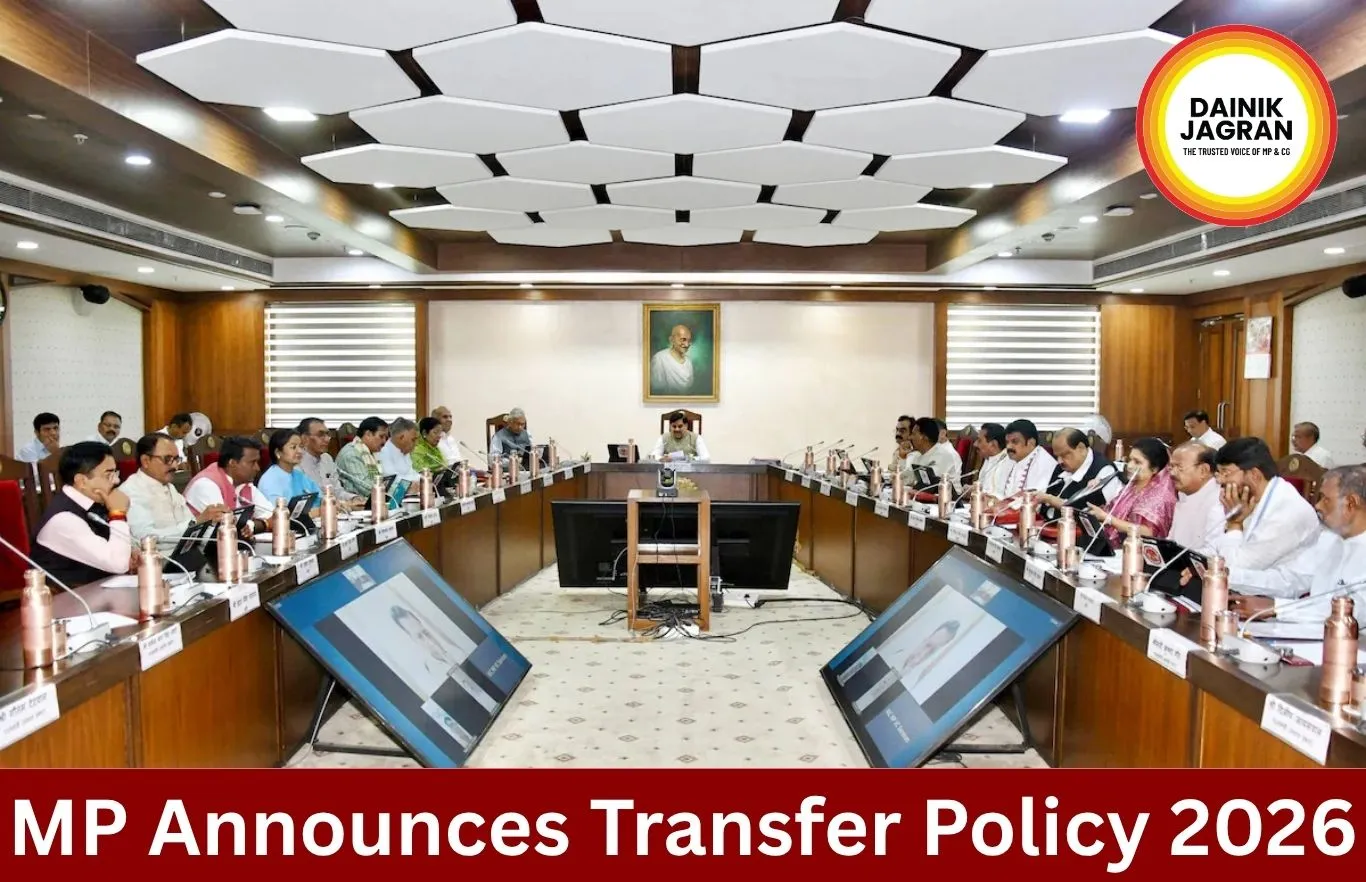
The Madhya Pradesh government has announced its Transfer Policy 2026 with significant changes aimed at strengthening administrative accountability and streamlining employee postings across departments. The new policy introduces stricter provisions against officers and employees who fail to achieve departmental targets, while also offering relief to women employees, differently-abled staff, and those nearing retirement.
The General Administration Department issued the order after cabinet approval, allowing transfers between June 1 and June 15. Officials said all transfer orders will be issued online through the e-office system, and any order issued after the deadline will be considered invalid. The latest Government Updates have become a major talking point among employees and administrative departments across the state.
Performance-Based Transfers
One of the biggest changes in the new transfer policy is the provision allowing early transfer of officers and employees who fail to achieve targets fixed during the previous financial year. According to the policy, officials may now be shifted even before completing the standard three-year tenure if administrative reviews find unsatisfactory performance. The government has clarified that the three-year posting period should not be treated as an absolute condition for transfer. Administrative requirements and work evaluation will now carry greater importance in transfer decisions. Officials believe the move is intended to improve departmental efficiency and ensure accountability within government offices.
Three-Year Rule Explained
Under the revised guidelines, first and second-class executive officers posted in one district for three years can be transferred outside the district. Similarly, third-class employees completing three years or more at one posting location may also be transferred. However, the government has directed departments not to rely only on tenure while preparing transfer lists, except in departments related to construction and regulatory work. Transfers may also be approved in cases involving court orders, serious complaints, promotions, deputation returns, and administrative necessity. At the same time, the government has imposed restrictions on chain transfers conducted only to fill vacant posts.
Relief for Women Staff
The new policy includes several provisions aimed at providing relief to women employees. Unmarried, widowed, divorced, and abandoned women employees may now be posted in their home districts under the revised guidelines. The policy also allows applications seeking postings for husband and wife at the same place. However, officials clarified that final decisions would depend on administrative requirements and vacancy positions.
Employees can also apply for mutual transfers or transfers at their own expense through online applications verified by departmental heads. The provisions are being viewed as a positive step toward improving work-life balance for government staff.
Retirement Protection Added
Employees who are approaching retirement have also received relief under the new policy framework. Officials whose retirement is due within one year will generally not be transferred under normal circumstances. The government said the provision aims to reduce administrative inconvenience and financial pressure on senior employees nearing the end of service. Employee organisations had reportedly been demanding such relief for several years, especially for staff serving in remote districts. The policy is expected to benefit a large number of government employees across Madhya Pradesh.
Medical Relief Measures
The Transfer Policy 2026 also includes special provisions for employees suffering from serious medical conditions. Employees undergoing treatment for cancer, dialysis, or open-heart surgery may be considered for transfer based on recommendations by district medical boards.
Meanwhile, employees with 40 percent or more disability will generally not be transferred unless they voluntarily request relocation. The government said these measures were included to ensure humanitarian considerations remain part of administrative functioning. Health-related cases will reportedly receive priority review during the transfer process.
Strict Action Clauses
The government has also introduced provisions for immediate removal of employees facing allegations of financial irregularities, embezzlement, or misuse of government funds. Officials found prima facie guilty in such matters may be removed from sensitive posts without delay. In another important clause, officers and employees facing criminal cases linked to moral misconduct or those under departmental investigation will not be posted to executive positions.
Recognised employee union office-bearers, however, have been granted exemption from transfer for up to two terms, or four years. Administrative experts say the policy attempts to balance accountability with employee welfare.
Online Transfer System
All transfer orders under the policy will be processed digitally through the e-office system. Authorities stated that every transfer order must include the treasury employee code used for salary and administrative records. The government has also warned that salary withdrawal from old posting locations after transfer will be treated as financial irregularity. Transferred employees will only receive leave approval after joining their new place of posting. Separate arrangements have also been outlined for appeals and representation against transfer orders. Different approval procedures will apply for district cadre employees, police personnel, and senior administrative officers.
--------
🚨 Beat the News Rush – Join Now!
Get breaking alerts, hot exclusives, and game-changing stories instantly on your phone. No delays, no fluff – just the edge you need. ⚡
Tap to join:
🟢 WhatsApp Channel: Dainik Jagran MP CG
Crave more?
🅕 Facebook: Dainik Jagran MP CG English
🅧 Twitter (X): Dainik Jagran MP CG
🅘 Instagram: Dainik Jagran MP CG
Share the fire – keep your crew ahead! 🗞️🔥
MP Transfer Policy 2026 Brings Strict Performance Rules
Digital Desk
The Madhya Pradesh government has announced its Transfer Policy 2026 with significant changes aimed at strengthening administrative accountability and streamlining employee postings across departments. The new policy introduces stricter provisions against officers and employees who fail to achieve departmental targets, while also offering relief to women employees, differently-abled staff, and those nearing retirement.
The General Administration Department issued the order after cabinet approval, allowing transfers between June 1 and June 15. Officials said all transfer orders will be issued online through the e-office system, and any order issued after the deadline will be considered invalid. The latest Government Updates have become a major talking point among employees and administrative departments across the state.
Performance-Based Transfers
One of the biggest changes in the new transfer policy is the provision allowing early transfer of officers and employees who fail to achieve targets fixed during the previous financial year. According to the policy, officials may now be shifted even before completing the standard three-year tenure if administrative reviews find unsatisfactory performance. The government has clarified that the three-year posting period should not be treated as an absolute condition for transfer. Administrative requirements and work evaluation will now carry greater importance in transfer decisions. Officials believe the move is intended to improve departmental efficiency and ensure accountability within government offices.
Three-Year Rule Explained
Under the revised guidelines, first and second-class executive officers posted in one district for three years can be transferred outside the district. Similarly, third-class employees completing three years or more at one posting location may also be transferred. However, the government has directed departments not to rely only on tenure while preparing transfer lists, except in departments related to construction and regulatory work. Transfers may also be approved in cases involving court orders, serious complaints, promotions, deputation returns, and administrative necessity. At the same time, the government has imposed restrictions on chain transfers conducted only to fill vacant posts.
Relief for Women Staff
The new policy includes several provisions aimed at providing relief to women employees. Unmarried, widowed, divorced, and abandoned women employees may now be posted in their home districts under the revised guidelines. The policy also allows applications seeking postings for husband and wife at the same place. However, officials clarified that final decisions would depend on administrative requirements and vacancy positions.
Employees can also apply for mutual transfers or transfers at their own expense through online applications verified by departmental heads. The provisions are being viewed as a positive step toward improving work-life balance for government staff.
Retirement Protection Added
Employees who are approaching retirement have also received relief under the new policy framework. Officials whose retirement is due within one year will generally not be transferred under normal circumstances. The government said the provision aims to reduce administrative inconvenience and financial pressure on senior employees nearing the end of service. Employee organisations had reportedly been demanding such relief for several years, especially for staff serving in remote districts. The policy is expected to benefit a large number of government employees across Madhya Pradesh.
Medical Relief Measures
The Transfer Policy 2026 also includes special provisions for employees suffering from serious medical conditions. Employees undergoing treatment for cancer, dialysis, or open-heart surgery may be considered for transfer based on recommendations by district medical boards.
Meanwhile, employees with 40 percent or more disability will generally not be transferred unless they voluntarily request relocation. The government said these measures were included to ensure humanitarian considerations remain part of administrative functioning. Health-related cases will reportedly receive priority review during the transfer process.
Strict Action Clauses
The government has also introduced provisions for immediate removal of employees facing allegations of financial irregularities, embezzlement, or misuse of government funds. Officials found prima facie guilty in such matters may be removed from sensitive posts without delay. In another important clause, officers and employees facing criminal cases linked to moral misconduct or those under departmental investigation will not be posted to executive positions.
Recognised employee union office-bearers, however, have been granted exemption from transfer for up to two terms, or four years. Administrative experts say the policy attempts to balance accountability with employee welfare.
Online Transfer System
All transfer orders under the policy will be processed digitally through the e-office system. Authorities stated that every transfer order must include the treasury employee code used for salary and administrative records. The government has also warned that salary withdrawal from old posting locations after transfer will be treated as financial irregularity. Transferred employees will only receive leave approval after joining their new place of posting. Separate arrangements have also been outlined for appeals and representation against transfer orders. Different approval procedures will apply for district cadre employees, police personnel, and senior administrative officers.