Iran War Boosts Oil Giants' Profits to $81 Billion as Hormuz Talks Progress

Digital desk

Iran War Boosts Oil Giants' Profits to $81 Billion as Hormuz Talks Progress

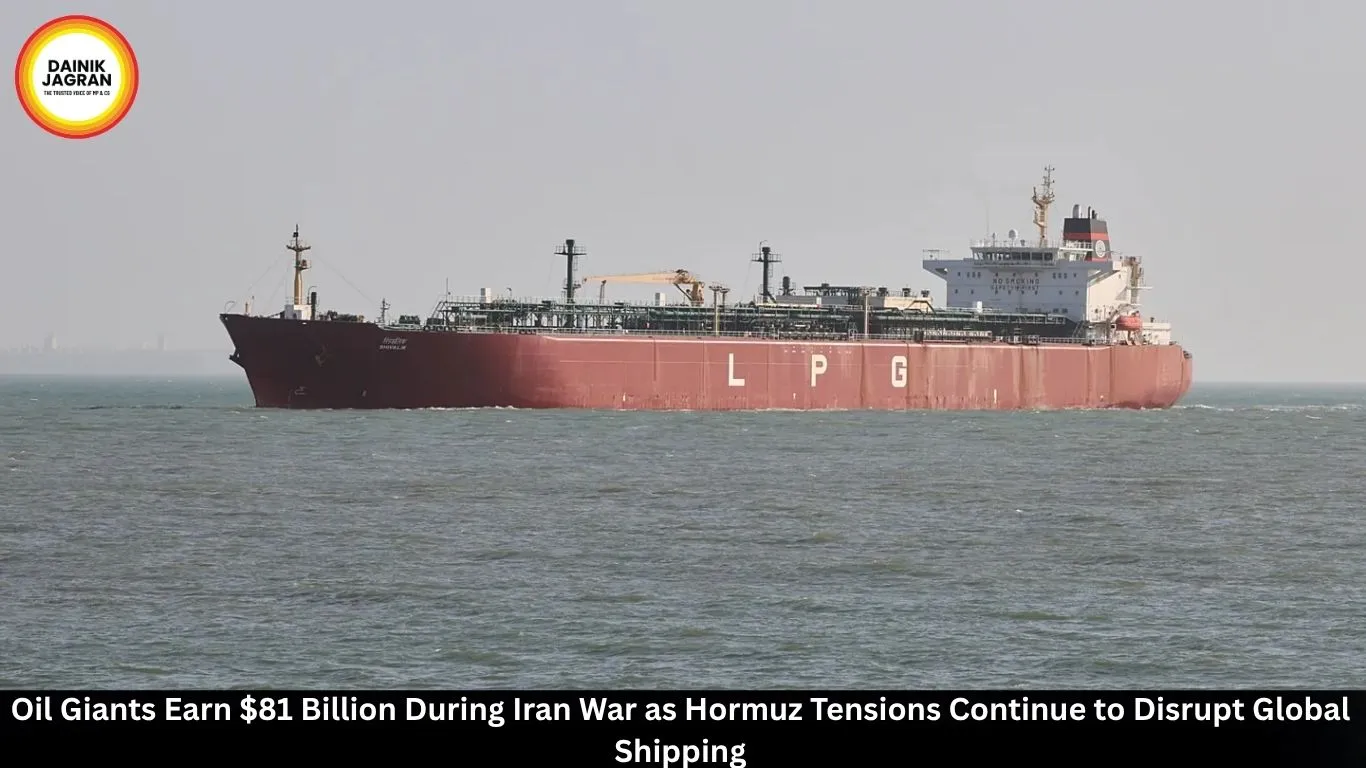
The world's six largest oil companies earned $81 billion during the Iran conflict as crude prices surged, while negotiations over reopening the Strait of Hormuz continue amid regional tensions.

The conflict involving Iran has delivered a massive financial windfall to the global energy industry, with the world's six largest oil companies collectively earning $81 billion (around โ‚น7 lakh crore) during the April–June quarter, even as geopolitical tensions continue to disrupt shipping through the Strait of Hormuz and the Red Sea.

According to an Al Jazeera report, the combined quarterly profits of the six energy majors exceeded India's annual defence budget of โ‚น6.81 lakh crore, underscoring how rising crude prices during the conflict significantly boosted corporate earnings.

The Iran war pushed Brent crude prices from nearly per barrel to almost 0 per barrel between April and June, with average prices rising by around 23 per cent during the period. The surge translated into higher fuel, transportation and commodity prices across global markets, adding to inflationary pressures in several economies.

Also Read... Netanyahu Rejects Trump's Gaza Plan, Rules Out Israeli Withdrawal

Oil Prices Ease on Diplomatic Hopes

Despite the sharp gains recorded during the conflict, crude prices have retreated in recent sessions amid growing optimism over a possible diplomatic breakthrough between the United States and Iran.

Also Read... US-Iran Talks Progress but Tehran Says Strait of Hormuz Will Stay Closed for Now

US benchmark West Texas Intermediate (WTI) crude fell nearly 5 per cent to around .32 per barrel, while Brent crude slipped below the per barrel mark as markets reacted positively to reports of progress in negotiations concerning the Strait of Hormuz.

Also Read... Yemen Backs India After Houthi Attack Sinks Indian Cargo Vessel in Red Sea

Investors remain focused on efforts to restore normal shipping through one of the world's most critical energy corridors, through which nearly one-fifth of global oil supplies pass.

Hormuz Negotiations Enter Final Phase

Negotiations between Iran and Oman over future shipping arrangements in the Strait of Hormuz are reportedly entering their final stages.

According to reports, the proposed framework would introduce new navigation rules under which vessels entering Iranian waters would remain under Tehran's observation, while outbound ships would transit through Omani-controlled routes after obtaining clearance. Iran would also retain the authority to inspect vessels whenever it considers necessary.

Iranian media have also referred to discussions on developing a new "Middle Corridor", a proposed maritime route intended to reduce congestion and lower the risk of confrontations in the strategically important waterway.

Tehran has indicated that any long-term arrangement should also involve relief from certain US sanctions affecting its ports, while Washington continues to push for the complete reopening of the Strait to ensure uninterrupted global energy supplies.

Shipping Activity Remains Below Normal

Commercial shipping through both the Strait of Hormuz and the Bab-el-Mandeb Strait remains significantly below normal levels.

Recent maritime data showed that vessel movements through Hormuz dropped from 19 ships to 15 within a day, while traffic through the Bab-el-Mandeb Strait declined to 21 vessels, marking the lowest daily movement recorded since early June.

Reports also indicated that a cargo vessel came under a suspected missile or drone attack near the Omani coast, highlighting the continuing security risks facing commercial shipping in the region.

Regional Security Situation Remains Volatile

The broader regional security environment also remains fragile.

In southern Lebanon, negotiations between Israeli and Lebanese officials continue in Rome over a possible Israeli troop withdrawal. However, both sides remain divided over the conditions for implementing any agreement, particularly concerning Hezbollah's military infrastructure and verification mechanisms.

Meanwhile, an Indian-flagged merchant vessel recently sank after being attacked near Yemen in the Red Sea. All 13 Indian crew members were rescued safely.

In Iran, political uncertainty has also intensified, with reports suggesting that a group of lawmakers is preparing impeachment proceedings against Foreign Minister Abbas Araghchi over his diplomatic engagement with the United States.

Markets Watch Diplomatic Outcome

Energy markets are expected to remain highly sensitive to developments surrounding the Strait of Hormuz. Any breakthrough capable of restoring normal maritime traffic could help stabilise crude prices, while any escalation in hostilities risks triggering fresh volatility in global oil markets.


 

--------

๐Ÿšจ Beat the News Rush โ€“ Join Now!

Get breaking alerts, hot exclusives, and game-changing stories instantly on your phone. No delays, no fluff โ€“ just the edge you need. โšก

Tap to join:ย 

๐ŸŸข WhatsApp Channel: Dainik Jagran MP CG

Crave more?

๐Ÿ…• Facebook: Dainik Jagran MP CG English

๐Ÿ…ง Twitter (X): Dainik Jagran MP CG

๐Ÿ…˜ Instagram: Dainik Jagran MP CG

Share the fire โ€“ keep your crew ahead! ๐Ÿ—ž๏ธ๐Ÿ”ฅ

english.dainikjagranmpcg.com
05 Aug 2026 By Abhishek Joshi

Iran War Boosts Oil Giants' Profits to $81 Billion as Hormuz Talks Progress

Digital desk

The conflict involving Iran has delivered a massive financial windfall to the global energy industry, with the world's six largest oil companies collectively earning $81 billion (around โ‚น7 lakh crore) during the April–June quarter, even as geopolitical tensions continue to disrupt shipping through the Strait of Hormuz and the Red Sea.

According to an Al Jazeera report, the combined quarterly profits of the six energy majors exceeded India's annual defence budget of โ‚น6.81 lakh crore, underscoring how rising crude prices during the conflict significantly boosted corporate earnings.

The Iran war pushed Brent crude prices from nearly $70 per barrel to almost $120 per barrel between April and June, with average prices rising by around 23 per cent during the period. The surge translated into higher fuel, transportation and commodity prices across global markets, adding to inflationary pressures in several economies.

Oil Prices Ease on Diplomatic Hopes

Despite the sharp gains recorded during the conflict, crude prices have retreated in recent sessions amid growing optimism over a possible diplomatic breakthrough between the United States and Iran.

US benchmark West Texas Intermediate (WTI) crude fell nearly 5 per cent to around $76.32 per barrel, while Brent crude slipped below the $80 per barrel mark as markets reacted positively to reports of progress in negotiations concerning the Strait of Hormuz.

Investors remain focused on efforts to restore normal shipping through one of the world's most critical energy corridors, through which nearly one-fifth of global oil supplies pass.

Hormuz Negotiations Enter Final Phase

Negotiations between Iran and Oman over future shipping arrangements in the Strait of Hormuz are reportedly entering their final stages.

According to reports, the proposed framework would introduce new navigation rules under which vessels entering Iranian waters would remain under Tehran's observation, while outbound ships would transit through Omani-controlled routes after obtaining clearance. Iran would also retain the authority to inspect vessels whenever it considers necessary.

Iranian media have also referred to discussions on developing a new "Middle Corridor", a proposed maritime route intended to reduce congestion and lower the risk of confrontations in the strategically important waterway.

Tehran has indicated that any long-term arrangement should also involve relief from certain US sanctions affecting its ports, while Washington continues to push for the complete reopening of the Strait to ensure uninterrupted global energy supplies.

Shipping Activity Remains Below Normal

Commercial shipping through both the Strait of Hormuz and the Bab-el-Mandeb Strait remains significantly below normal levels.

Recent maritime data showed that vessel movements through Hormuz dropped from 19 ships to 15 within a day, while traffic through the Bab-el-Mandeb Strait declined to 21 vessels, marking the lowest daily movement recorded since early June.

Reports also indicated that a cargo vessel came under a suspected missile or drone attack near the Omani coast, highlighting the continuing security risks facing commercial shipping in the region.

Regional Security Situation Remains Volatile

The broader regional security environment also remains fragile.

In southern Lebanon, negotiations between Israeli and Lebanese officials continue in Rome over a possible Israeli troop withdrawal. However, both sides remain divided over the conditions for implementing any agreement, particularly concerning Hezbollah's military infrastructure and verification mechanisms.

Meanwhile, an Indian-flagged merchant vessel recently sank after being attacked near Yemen in the Red Sea. All 13 Indian crew members were rescued safely.

In Iran, political uncertainty has also intensified, with reports suggesting that a group of lawmakers is preparing impeachment proceedings against Foreign Minister Abbas Araghchi over his diplomatic engagement with the United States.

Markets Watch Diplomatic Outcome

Energy markets are expected to remain highly sensitive to developments surrounding the Strait of Hormuz. Any breakthrough capable of restoring normal maritime traffic could help stabilise crude prices, while any escalation in hostilities risks triggering fresh volatility in global oil markets.

 

https://english.dainikjagranmpcg.com/top-stories/iran-war-boosts-oil-giants-profits-to-81-billion-as/article-24970

Trending News