US-Iran Talks Progress but Tehran Says Strait of Hormuz Will Stay Closed for Now
Digital desk
US and Iran have reported progress in Oman-mediated negotiations, but Tehran says the Strait of Hormuz will not reopen immediately despite ongoing diplomatic efforts.
Diplomatic Push Gains Momentum
Fresh diplomatic efforts to restore shipping through the strategically important Strait of Hormuz gathered pace on Wednesday, with both the United States and Iran signalling progress in Oman-mediated negotiations. However, Tehran made it clear that any agreement with Oman alone would not immediately lead to the reopening of the vital maritime route. (Reuters)
The latest developments come as global markets closely monitor the conflict, with the Strait of Hormuz remaining one of the world's most critical oil transit chokepoints.
Iran Rules Out Immediate Reopening
According to Iranian state media, discussions between Tehran and Muscat are focused exclusively on future navigation arrangements and are "completely unrelated" to direct negotiations with the United States.
Iranian officials said the Strait would remain closed even if an understanding is reached with Oman, arguing that broader issues, including what Tehran describes as US actions in the region, must first be resolved before commercial shipping can resume normally. (Al Jazeera)
US Optimistic About Breakthrough
The United States has projected greater optimism over the ongoing talks.
US Secretary of State Marco Rubio said negotiations have made progress, although no final agreement has yet been reached. Treasury Secretary Scott Bessent suggested an interim deal could be finalised "today or tomorrow," while President Donald Trump said discussions with Iran were moving in a positive direction and expressed hope that the Strait of Hormuz would reopen soon. (Reuters)
Washington has maintained that restoring freedom of navigation through the Strait remains an immediate priority, alongside longer-term discussions concerning Iran's nuclear programme.
Shipping Activity Remains Limited
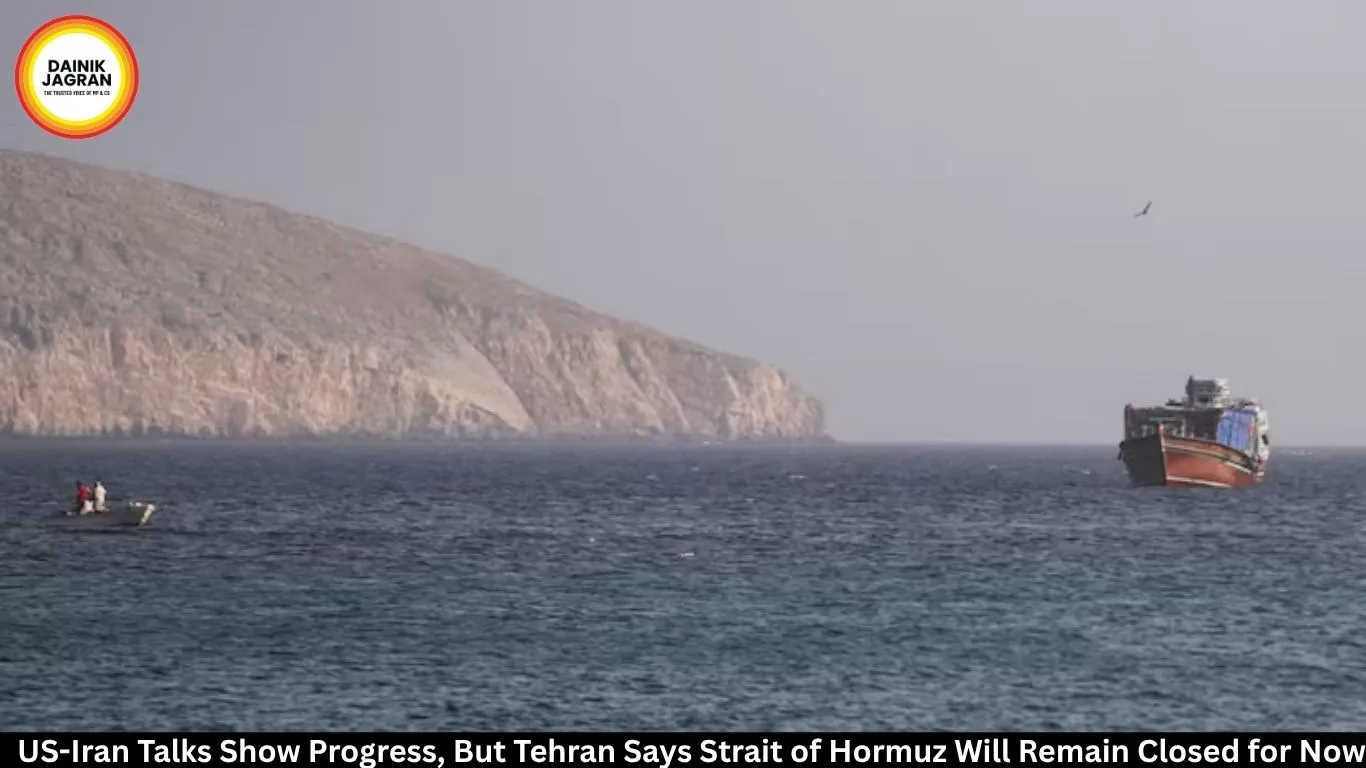
Despite diplomatic progress, commercial shipping through both the Strait of Hormuz and the Bab al-Mandeb continues to operate below normal levels.
Shipping data showed only limited vessel movements, reflecting continued security concerns among global maritime operators as negotiations continue. The disruption has affected international energy markets and global supply chains over recent months. (Al Jazeera)
Regional Tensions Continue
The negotiations come amid continued instability across the region.
On Tuesday, Yemen's Houthi movement claimed responsibility for a missile attack on a Saudi oil tanker in the northern Red Sea, underscoring the broader security risks facing commercial shipping beyond the Strait of Hormuz. Separately, diplomatic talks between Israel and Lebanon continue over troop withdrawals and regional security arrangements. (Al Jazeera)
Markets Await Final Agreement
Financial markets have reacted cautiously to the diplomatic developments. Oil prices steadied after recent declines as investors weighed the possibility of a breakthrough that could restore one of the world's busiest maritime trade routes.
While both Washington and Tehran have acknowledged progress, officials on both sides stressed that no final agreement has been concluded, leaving uncertainty over when commercial traffic through the Strait of Hormuz will fully resume. (Reuters)

Recommended For You
--------
๐จ Beat the News Rush โ Join Now!
Get breaking alerts, hot exclusives, and game-changing stories instantly on your phone. No delays, no fluff โ just the edge you need. โก
Tap to join:ย
๐ข WhatsApp Channel: Dainik Jagran MP CG
Crave more?
๐ Facebook: Dainik Jagran MP CG English
๐ ง Twitter (X): Dainik Jagran MP CG
๐ Instagram: Dainik Jagran MP CG
Share the fire โ keep your crew ahead! ๐๏ธ๐ฅ
US-Iran Talks Progress but Tehran Says Strait of Hormuz Will Stay Closed for Now
Digital desk
Diplomatic Push Gains Momentum
Fresh diplomatic efforts to restore shipping through the strategically important Strait of Hormuz gathered pace on Wednesday, with both the United States and Iran signalling progress in Oman-mediated negotiations. However, Tehran made it clear that any agreement with Oman alone would not immediately lead to the reopening of the vital maritime route. (Reuters)
The latest developments come as global markets closely monitor the conflict, with the Strait of Hormuz remaining one of the world's most critical oil transit chokepoints.
Iran Rules Out Immediate Reopening
According to Iranian state media, discussions between Tehran and Muscat are focused exclusively on future navigation arrangements and are "completely unrelated" to direct negotiations with the United States.
Iranian officials said the Strait would remain closed even if an understanding is reached with Oman, arguing that broader issues, including what Tehran describes as US actions in the region, must first be resolved before commercial shipping can resume normally. (Al Jazeera)
US Optimistic About Breakthrough
The United States has projected greater optimism over the ongoing talks.
US Secretary of State Marco Rubio said negotiations have made progress, although no final agreement has yet been reached. Treasury Secretary Scott Bessent suggested an interim deal could be finalised "today or tomorrow," while President Donald Trump said discussions with Iran were moving in a positive direction and expressed hope that the Strait of Hormuz would reopen soon. (Reuters)
Washington has maintained that restoring freedom of navigation through the Strait remains an immediate priority, alongside longer-term discussions concerning Iran's nuclear programme.
Shipping Activity Remains Limited
Despite diplomatic progress, commercial shipping through both the Strait of Hormuz and the Bab al-Mandeb continues to operate below normal levels.
Shipping data showed only limited vessel movements, reflecting continued security concerns among global maritime operators as negotiations continue. The disruption has affected international energy markets and global supply chains over recent months. (Al Jazeera)
Regional Tensions Continue
The negotiations come amid continued instability across the region.
On Tuesday, Yemen's Houthi movement claimed responsibility for a missile attack on a Saudi oil tanker in the northern Red Sea, underscoring the broader security risks facing commercial shipping beyond the Strait of Hormuz. Separately, diplomatic talks between Israel and Lebanon continue over troop withdrawals and regional security arrangements. (Al Jazeera)
Markets Await Final Agreement
Financial markets have reacted cautiously to the diplomatic developments. Oil prices steadied after recent declines as investors weighed the possibility of a breakthrough that could restore one of the world's busiest maritime trade routes.
While both Washington and Tehran have acknowledged progress, officials on both sides stressed that no final agreement has been concluded, leaving uncertainty over when commercial traffic through the Strait of Hormuz will fully resume. (Reuters)