Iran Warns Gulf Nations Over Possible US Military Action

Digital desk

Iran Warns Gulf Nations Over Possible US Military Action

Iran has warned Gulf countries that fresh US strikes could trigger attacks on regional energy infrastructure as diplomatic efforts continue over the Strait of Hormuz.

Tehran/Washington/Tel Aviv: Tensions in the Middle East have escalated once again after Iran issued a strong warning to Gulf countries, stating that any fresh military strike by the United States on its energy infrastructure would trigger a wider regional response. Tehran has warned that oil facilities, refineries, electricity grids and other strategic installations across the Gulf region could become potential targets if another attack takes place.

According to international media reports, Iranian Foreign Minister Abbas Araghchi has reached out to the leadership of Saudi Arabia, Qatar, Türkiye and Pakistan, urging them to use diplomatic channels to prevent further military action by Washington. Iran has reportedly conveyed that while it continues to prefer a negotiated settlement, it is prepared to respond with greater force if attacked again.

The latest warning comes at a time when diplomatic efforts are continuing behind the scenes to prevent another round of conflict in the region. Sources indicate that Saudi Crown Prince Mohammed bin Salman has also spoken with US President Donald Trump, urging restraint and encouraging continued dialogue instead of military escalation.

Also Read... US Senate Introduces Stopgap Spending Bill to Prevent Government Shutdown Until December 11

Iran has maintained that diplomacy remains its preferred option but insists that any future strike on its territory or critical infrastructure will invite a broader retaliation that could affect the entire Gulf region. The statement has heightened concerns over the security of major energy installations, as the Gulf remains one of the world's most important oil-producing regions.

Also Read... Yemen Backs India After Houthi Attack Sinks Indian Cargo Vessel in Red Sea

Another key development has emerged around the Strait of Hormuz, one of the world's busiest maritime trade routes for crude oil exports. Iranian officials have said they have reached an initial understanding with Oman on a proposed framework aimed at regulating shipping routes through the strategically important waterway. Both countries are expected to make a joint announcement once the details of the arrangement are finalised.

Also Read... Iran War Boosts Oil Giants' Profits to Billion as Hormuz Talks Progress

Despite progress in discussions with Oman, Iran has clarified that the agreement should not be interpreted as a complete resolution of tensions in the Strait of Hormuz. Officials in Tehran argue that continued military pressure from the United States could still threaten maritime security in the region.

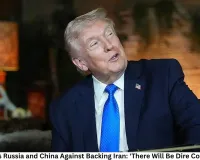
President Donald Trump has meanwhile suggested that negotiations with Iran have made significant progress. Speaking at separate public events, Trump claimed that a clearer picture regarding a possible understanding over the Strait of Hormuz could emerge within the next 48 hours. He also expressed hope that diplomatic engagement would ultimately prevent another military confrontation.

During a public address, Trump said he would prefer reaching an agreement rather than resorting to military action, adding that avoiding further loss of life remains a priority. He also claimed that communication between Washington and Tehran had continued through diplomatic channels, although Iranian officials have not publicly confirmed such contacts.

Reports have also highlighted the military implications of the recent conflict. According to a CNN report, the United States is believed to have used nearly 80 percent of its THAAD missile defence interceptors and around half of its Patriot missile interceptors during the confrontation with Iran. While American officials have not officially commented on the figures, the report has drawn attention to the scale of defensive operations carried out during the conflict.

In neighbouring Lebanon, the humanitarian situation has shown signs of improvement. According to the United Nations, more than 821,000 displaced people have returned to their homes following a decline in cross-border hostilities. However, over 360,000 people are still reported to be displaced, indicating that humanitarian challenges remain significant despite the reduction in violence.

The possibility of a new agreement concerning the Strait of Hormuz is being closely watched by global markets, as nearly a fifth of the world's oil supplies pass through the narrow maritime corridor. Any disruption to shipping routes could have a direct impact on international energy prices and global supply chains.

While diplomatic efforts continue, uncertainty remains over whether ongoing negotiations can prevent another escalation. With military preparedness continuing on both sides and regional powers actively engaged in back-channel diplomacy, the coming days are expected to play a crucial role in determining whether tensions move towards de-escalation or another phase of confrontation.


 

--------

๐Ÿšจ Beat the News Rush โ€“ Join Now!

Get breaking alerts, hot exclusives, and game-changing stories instantly on your phone. No delays, no fluff โ€“ just the edge you need. โšก

Tap to join:ย 

๐ŸŸข WhatsApp Channel: Dainik Jagran MP CG

Crave more?

๐Ÿ…• Facebook: Dainik Jagran MP CG English

๐Ÿ…ง Twitter (X): Dainik Jagran MP CG

๐Ÿ…˜ Instagram: Dainik Jagran MP CG

Share the fire โ€“ keep your crew ahead! ๐Ÿ—ž๏ธ๐Ÿ”ฅ

english.dainikjagranmpcg.com
06 Aug 2026 By Aditya.S

Iran Warns Gulf Nations Over Possible US Military Action

Digital desk

Tehran/Washington/Tel Aviv: Tensions in the Middle East have escalated once again after Iran issued a strong warning to Gulf countries, stating that any fresh military strike by the United States on its energy infrastructure would trigger a wider regional response. Tehran has warned that oil facilities, refineries, electricity grids and other strategic installations across the Gulf region could become potential targets if another attack takes place.

According to international media reports, Iranian Foreign Minister Abbas Araghchi has reached out to the leadership of Saudi Arabia, Qatar, Türkiye and Pakistan, urging them to use diplomatic channels to prevent further military action by Washington. Iran has reportedly conveyed that while it continues to prefer a negotiated settlement, it is prepared to respond with greater force if attacked again.

The latest warning comes at a time when diplomatic efforts are continuing behind the scenes to prevent another round of conflict in the region. Sources indicate that Saudi Crown Prince Mohammed bin Salman has also spoken with US President Donald Trump, urging restraint and encouraging continued dialogue instead of military escalation.

Iran has maintained that diplomacy remains its preferred option but insists that any future strike on its territory or critical infrastructure will invite a broader retaliation that could affect the entire Gulf region. The statement has heightened concerns over the security of major energy installations, as the Gulf remains one of the world's most important oil-producing regions.

Another key development has emerged around the Strait of Hormuz, one of the world's busiest maritime trade routes for crude oil exports. Iranian officials have said they have reached an initial understanding with Oman on a proposed framework aimed at regulating shipping routes through the strategically important waterway. Both countries are expected to make a joint announcement once the details of the arrangement are finalised.

Despite progress in discussions with Oman, Iran has clarified that the agreement should not be interpreted as a complete resolution of tensions in the Strait of Hormuz. Officials in Tehran argue that continued military pressure from the United States could still threaten maritime security in the region.

President Donald Trump has meanwhile suggested that negotiations with Iran have made significant progress. Speaking at separate public events, Trump claimed that a clearer picture regarding a possible understanding over the Strait of Hormuz could emerge within the next 48 hours. He also expressed hope that diplomatic engagement would ultimately prevent another military confrontation.

During a public address, Trump said he would prefer reaching an agreement rather than resorting to military action, adding that avoiding further loss of life remains a priority. He also claimed that communication between Washington and Tehran had continued through diplomatic channels, although Iranian officials have not publicly confirmed such contacts.

Reports have also highlighted the military implications of the recent conflict. According to a CNN report, the United States is believed to have used nearly 80 percent of its THAAD missile defence interceptors and around half of its Patriot missile interceptors during the confrontation with Iran. While American officials have not officially commented on the figures, the report has drawn attention to the scale of defensive operations carried out during the conflict.

In neighbouring Lebanon, the humanitarian situation has shown signs of improvement. According to the United Nations, more than 821,000 displaced people have returned to their homes following a decline in cross-border hostilities. However, over 360,000 people are still reported to be displaced, indicating that humanitarian challenges remain significant despite the reduction in violence.

The possibility of a new agreement concerning the Strait of Hormuz is being closely watched by global markets, as nearly a fifth of the world's oil supplies pass through the narrow maritime corridor. Any disruption to shipping routes could have a direct impact on international energy prices and global supply chains.

While diplomatic efforts continue, uncertainty remains over whether ongoing negotiations can prevent another escalation. With military preparedness continuing on both sides and regional powers actively engaged in back-channel diplomacy, the coming days are expected to play a crucial role in determining whether tensions move towards de-escalation or another phase of confrontation.

 

https://english.dainikjagranmpcg.com/top-stories/iran-warns-gulf-nations-over-possible-us-military-action/article-25002

Trending News