

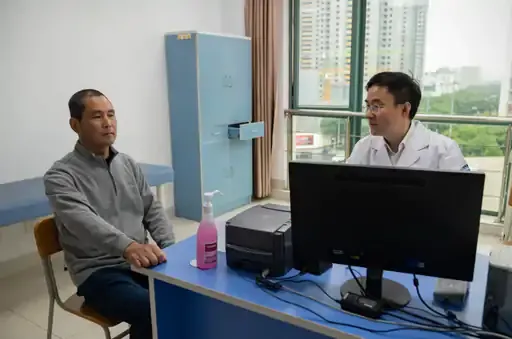
The patient, 57-year-old factory worker Qiu Sijun, was called back to the hospital days after his diabetes screening when an AI-based system detected abnormal patterns in his earlier test data. Further examinations confirmed pancreatic cancer at a very early stage, allowing doctors to perform surgery before symptoms appeared. Qiu has since recovered and returned to normal life.
Pancreatic cancer is widely regarded as one of the most lethal forms of cancer, with a five-year survival rate of about 10 percent. The disease is often described as “asymptomatic” in its early stages, with symptoms typically emerging only after it has progressed significantly. Apple co-founder Steve Jobs died from a rare form of pancreatic cancer in 2011.
The AI system used in Qiu’s case is known as PANDA—short for Pancreatic Cancer Detection with Artificial Intelligence. Developed by scientists at Alibaba’s Damo Academy, the tool is designed to identify early signs of pancreatic cancer using non-contrast CT scans, which are commonly used and involve lower radiation than specialised contrast scans.
Doctors say this represents a major breakthrough. Traditional screening for pancreatic cancer is limited because high-radiation contrast CT scans are unsuitable for large-scale use, while standard scans often fail to reveal subtle abnormalities. PANDA is trained to detect minute changes in imaging data that may escape the human eye.
Clinical trials of the system have been underway since November 2024 at the People’s Hospital affiliated with Ningbo University. According to researchers, the tool has analysed more than 180,000 abdominal and chest CT scans so far, identifying 24 pancreatic cancer cases, including 14 at an early stage. In 20 cases, the AI detected intraductal adenocarcinoma, considered the most aggressive form of the disease.

Research published in 2023 reported that PANDA achieved an accuracy rate of 93 percent in identifying pancreatic cancer in scans previously assessed as normal. Alibaba has said the US Food and Drug Administration has granted the system “Breakthrough Device” status, allowing for an accelerated review process.
Medical experts caution that AI is not a replacement for clinicians but acknowledge its growing role as a decision-support tool. If validated at scale, such systems could transform early cancer detection, particularly for diseases that currently offer patients little warning and limited treatment windows.

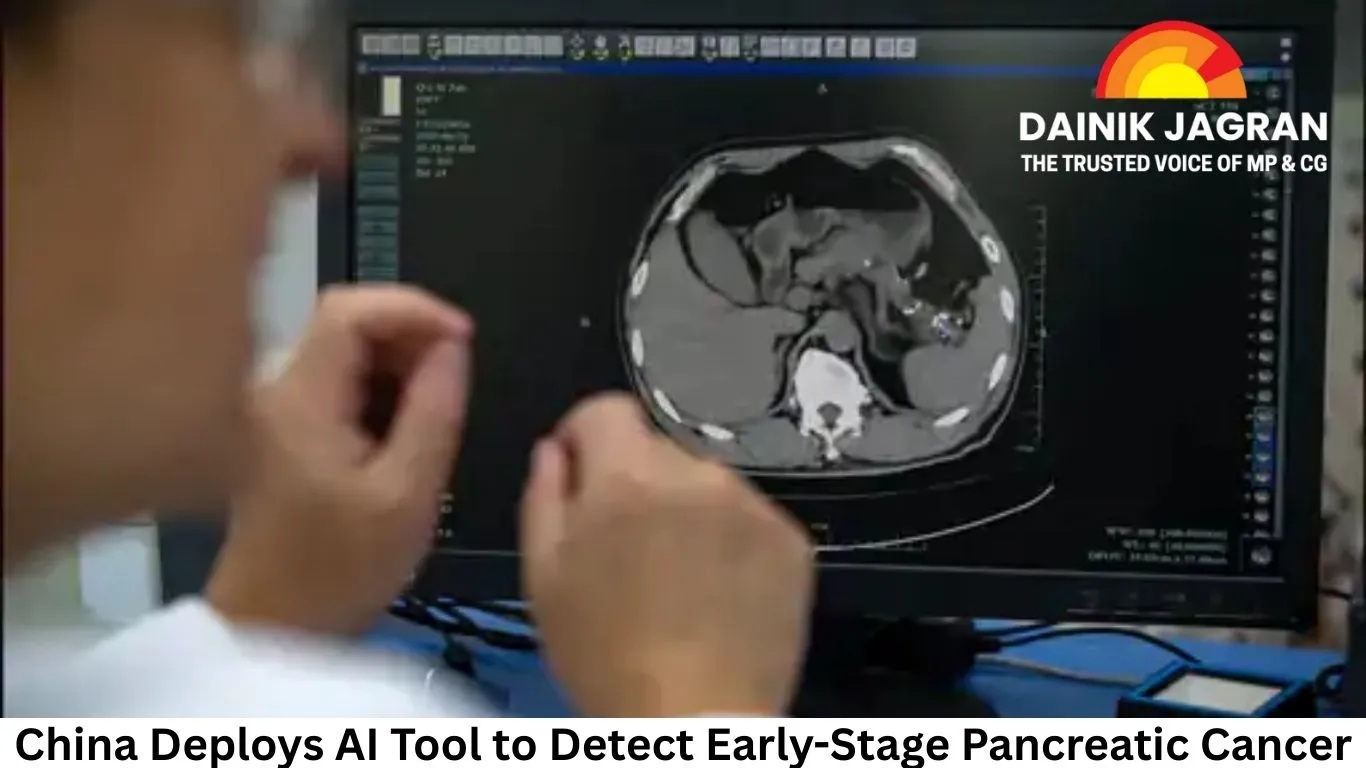
China Deploys AI Tool to Detect Early-Stage Pancreatic Cancer, Raising Hopes Against One of the Deadliest Diseases
Digital Desk
The patient, 57-year-old factory worker Qiu Sijun, was called back to the hospital days after his diabetes screening when an AI-based system detected abnormal patterns in his earlier test data. Further examinations confirmed pancreatic cancer at a very early stage, allowing doctors to perform surgery before symptoms appeared. Qiu has since recovered and returned to normal life.
Pancreatic cancer is widely regarded as one of the most lethal forms of cancer, with a five-year survival rate of about 10 percent. The disease is often described as “asymptomatic” in its early stages, with symptoms typically emerging only after it has progressed significantly. Apple co-founder Steve Jobs died from a rare form of pancreatic cancer in 2011.
The AI system used in Qiu’s case is known as PANDA—short for Pancreatic Cancer Detection with Artificial Intelligence. Developed by scientists at Alibaba’s Damo Academy, the tool is designed to identify early signs of pancreatic cancer using non-contrast CT scans, which are commonly used and involve lower radiation than specialised contrast scans.
Doctors say this represents a major breakthrough. Traditional screening for pancreatic cancer is limited because high-radiation contrast CT scans are unsuitable for large-scale use, while standard scans often fail to reveal subtle abnormalities. PANDA is trained to detect minute changes in imaging data that may escape the human eye.
Clinical trials of the system have been underway since November 2024 at the People’s Hospital affiliated with Ningbo University. According to researchers, the tool has analysed more than 180,000 abdominal and chest CT scans so far, identifying 24 pancreatic cancer cases, including 14 at an early stage. In 20 cases, the AI detected intraductal adenocarcinoma, considered the most aggressive form of the disease.
Research published in 2023 reported that PANDA achieved an accuracy rate of 93 percent in identifying pancreatic cancer in scans previously assessed as normal. Alibaba has said the US Food and Drug Administration has granted the system “Breakthrough Device” status, allowing for an accelerated review process.
Medical experts caution that AI is not a replacement for clinicians but acknowledge its growing role as a decision-support tool. If validated at scale, such systems could transform early cancer detection, particularly for diseases that currently offer patients little warning and limited treatment windows.
6.jpg)
7.jpg)

1.jpg)
1.jpg)
1.jpg)
