Iran Vows to Continue War Until Compensation Paid, Sanctions Lifted
Digital Desk
Iran demands sanctions relief and US guarantees as a precondition to end the conflict. Official says war could have ended in a week but for Israel’s actions.
Iran Vows No Ceasefire Until Compensation, Sanctions Relief Secured
Tehran sets conditions for ending hostilities, demanding a full lifting of economic sanctions and binding guarantees from the United States against future interference.
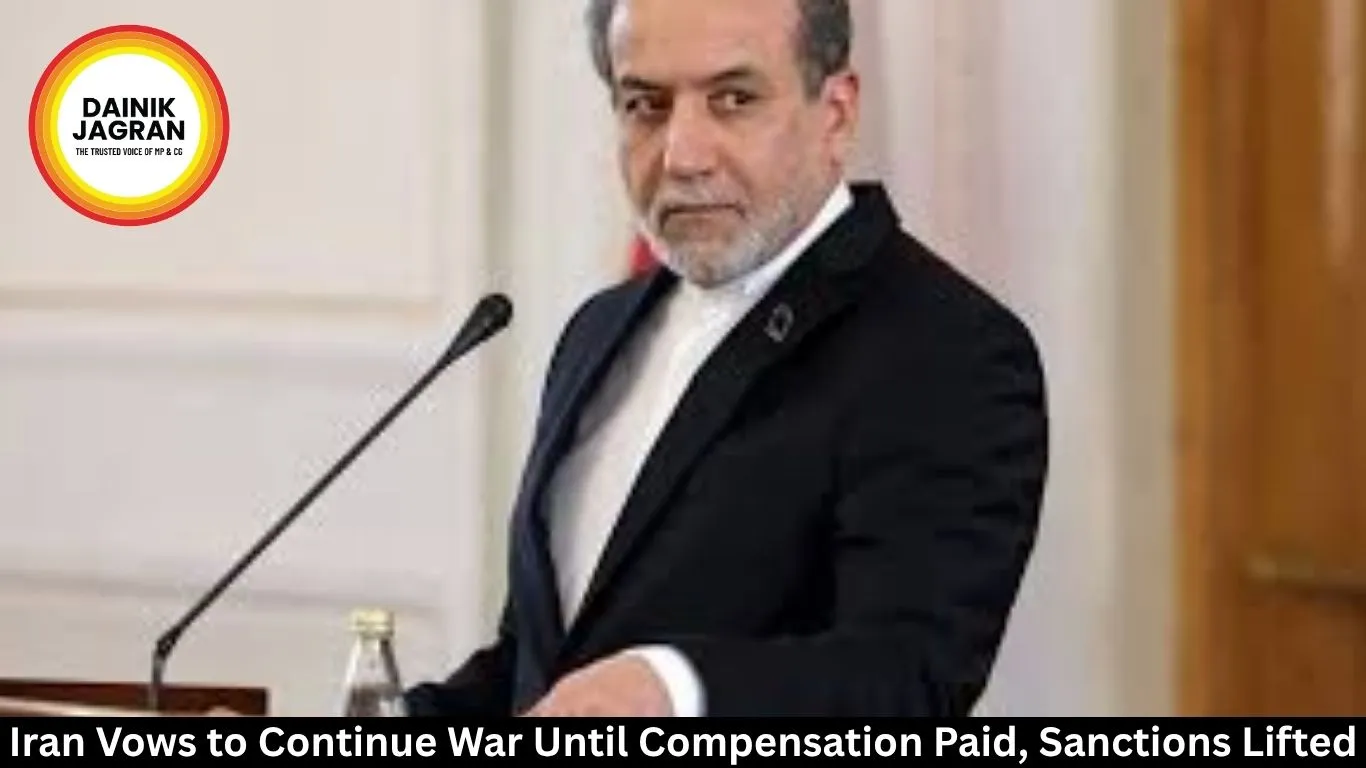
Iran has firmly stated that the ongoing military conflict will not cease until its demands are met, including financial compensation for losses incurred during the 25-day-long war with Israel and the United States. Senior Iranian officials on Tuesday laid out a hardline stance, dismissing any prospect of a ceasefire without concrete diplomatic and economic assurances.
Tehran Lays Out Conditions
Mohsen Rezaei, a senior adviser to Supreme Leader Mojtaba Khamenei, declared in a televised address that Iran’s position is non-negotiable. He asserted that all economic sanctions must be lifted, and the US must provide a "firm guarantee" against any future interference in Iran’s affairs. Rezaei added that Iranian military operations continue with full force, with the leadership maintaining a firm grip on the situation under the new Supreme Leader. Parliament Speaker Mohammad Bagher Ghalibaf echoed the sentiment, noting that the public is demanding strict punishment for those responsible for the attacks against the nation.
Rezaei Blames Israel for Prolonged War
Rezaei claimed that the conflict could have concluded within a week had it not been for the actions of Israel. According to the senior official, the United States was prepared to agree to a ceasefire and de-escalate the situation. However, he alleged that Israeli Prime Minister Benjamin Netanyahu insisted on continuing the military campaign, thereby prolonging the war. Rezaei further stated that by the 15th day of the conflict, even Washington had come to realize there was no clear path to victory in the region.
Conflicting Accounts on US-Iran Talks
The political landscape is further complicated by conflicting reports regarding potential negotiations. US President Donald Trump claimed on his social media platform that talks had been held with Iran, leading him to delay strikes on Iranian power plants for five days. Conversely, Iranian officials have categorically denied that any direct talks have occurred. Speaker Ghalibaf labelled the claims as “fake news” designed to manipulate financial and oil markets. However, a senior Iranian official provided a nuanced account to the BBC, confirming that "points from the US" were received through mediators and were currently under review.
Market Volatility Amid Diplomatic Confusion
The mixed signals have sent shockwaves through global financial markets. Brent crude oil prices briefly jumped back above $100 per barrel on Tuesday after a dramatic 10% plunge the previous day, reflecting the uncertainty. The initial drop was triggered by Trump’s statements about delaying strikes, while the subsequent rise followed Iran’s firm rejection of the talks and its reaffirmation of military readiness. Asian stock markets, particularly in South Korea, showed a slight recovery from Monday’s 17-year low for the won, as investors cautiously priced in hopes of de-escalation.
Regional Military Actions Escalate
The ground and aerial situation remains volatile. Israel confirmed a new wave of missiles was launched from Iran towards its territory, with air defence systems actively working to intercept them. Meanwhile, Iran released footage of missiles at an underground facility, a display of its military capabilities. In a separate development, the Israeli military reportedly destroyed the al-Qasmiya Bridge over Lebanon’s Litani River, a move that effectively cuts off southern Lebanon from the north. The closure of the Strait of Hormuz to most maritime traffic continues to strain global supply chains, prompting South Korea to cancel high-level diplomatic trips and Japan to announce the release of oil stockpiles.
What Next: A Diplomatic Crossroads
The coming days are critical as the international community watches for any official confirmation of a backchannel meeting. Reports suggest US Vice President JD Vance and other American officials may meet with their Iranian counterparts in Islamabad this week, though the White House has declined to confirm this, stating the situation remains fluid. For now, Iran’s official stance remains rigid, demanding a resolution on its terms, while the United States and Israel weigh their next military or diplomatic moves. The global economy remains on edge, bracing for either a de-escalation or a further intensification of the conflict.
Iran Vows to Continue War Until Compensation Paid, Sanctions Lifted
Digital Desk
Iran Vows No Ceasefire Until Compensation, Sanctions Relief Secured
Tehran sets conditions for ending hostilities, demanding a full lifting of economic sanctions and binding guarantees from the United States against future interference.
Iran has firmly stated that the ongoing military conflict will not cease until its demands are met, including financial compensation for losses incurred during the 25-day-long war with Israel and the United States. Senior Iranian officials on Tuesday laid out a hardline stance, dismissing any prospect of a ceasefire without concrete diplomatic and economic assurances.
Tehran Lays Out Conditions
Mohsen Rezaei, a senior adviser to Supreme Leader Mojtaba Khamenei, declared in a televised address that Iran’s position is non-negotiable. He asserted that all economic sanctions must be lifted, and the US must provide a "firm guarantee" against any future interference in Iran’s affairs. Rezaei added that Iranian military operations continue with full force, with the leadership maintaining a firm grip on the situation under the new Supreme Leader. Parliament Speaker Mohammad Bagher Ghalibaf echoed the sentiment, noting that the public is demanding strict punishment for those responsible for the attacks against the nation.
Rezaei Blames Israel for Prolonged War
Rezaei claimed that the conflict could have concluded within a week had it not been for the actions of Israel. According to the senior official, the United States was prepared to agree to a ceasefire and de-escalate the situation. However, he alleged that Israeli Prime Minister Benjamin Netanyahu insisted on continuing the military campaign, thereby prolonging the war. Rezaei further stated that by the 15th day of the conflict, even Washington had come to realize there was no clear path to victory in the region.
Conflicting Accounts on US-Iran Talks
The political landscape is further complicated by conflicting reports regarding potential negotiations. US President Donald Trump claimed on his social media platform that talks had been held with Iran, leading him to delay strikes on Iranian power plants for five days. Conversely, Iranian officials have categorically denied that any direct talks have occurred. Speaker Ghalibaf labelled the claims as “fake news” designed to manipulate financial and oil markets. However, a senior Iranian official provided a nuanced account to the BBC, confirming that "points from the US" were received through mediators and were currently under review.
Market Volatility Amid Diplomatic Confusion
The mixed signals have sent shockwaves through global financial markets. Brent crude oil prices briefly jumped back above $100 per barrel on Tuesday after a dramatic 10% plunge the previous day, reflecting the uncertainty. The initial drop was triggered by Trump’s statements about delaying strikes, while the subsequent rise followed Iran’s firm rejection of the talks and its reaffirmation of military readiness. Asian stock markets, particularly in South Korea, showed a slight recovery from Monday’s 17-year low for the won, as investors cautiously priced in hopes of de-escalation.
Regional Military Actions Escalate
The ground and aerial situation remains volatile. Israel confirmed a new wave of missiles was launched from Iran towards its territory, with air defence systems actively working to intercept them. Meanwhile, Iran released footage of missiles at an underground facility, a display of its military capabilities. In a separate development, the Israeli military reportedly destroyed the al-Qasmiya Bridge over Lebanon’s Litani River, a move that effectively cuts off southern Lebanon from the north. The closure of the Strait of Hormuz to most maritime traffic continues to strain global supply chains, prompting South Korea to cancel high-level diplomatic trips and Japan to announce the release of oil stockpiles.
What Next: A Diplomatic Crossroads
The coming days are critical as the international community watches for any official confirmation of a backchannel meeting. Reports suggest US Vice President JD Vance and other American officials may meet with their Iranian counterparts in Islamabad this week, though the White House has declined to confirm this, stating the situation remains fluid. For now, Iran’s official stance remains rigid, demanding a resolution on its terms, while the United States and Israel weigh their next military or diplomatic moves. The global economy remains on edge, bracing for either a de-escalation or a further intensification of the conflict.