Pakistan Calls Muslim Nations to Join Saudi-Türkiye Defence Pact, Eyes ‘Islamic NATO’
Digital desk
Pakistan Defence Minister Khawaja Asif has urged Muslim nations to join the Makkah defence pact with Saudi Arabia and Türkiye, suggesting a broader alliance similar to NATO.
Pakistan has called on other Muslim-majority countries to set aside their differences and consider joining its new defence agreement with Saudi Arabia and Türkiye, with Defence Minister Khawaja Asif saying the grouping could eventually develop into a broader collective security alliance similar to NATO.
The remarks came days after Pakistan, Saudi Arabia and Türkiye signed the Makkah Joint Defence Agreement, a pact that includes a mutual defence commitment under which an armed attack on one member would be treated as an attack on all three.
Speaking to Geo News, Asif said the agreement should not remain limited to its three founding members and argued that other Muslim nations should be able to join.
Pakistan Wants Wider Muslim Alliance
Asif said the agreement should not become an exclusive arrangement between Pakistan, Saudi Arabia and Türkiye.
He called on Muslim countries to put aside bilateral disputes and other differences in favour of cooperation on security issues.
The Pakistani defence minister said a broader alliance could operate along the lines of NATO, although the exact structure and scope of any future expansion remain unclear.
His comments come as the new pact attracts attention across West Asia and South Asia amid heightened regional security tensions.
What Does the Defence Pact Say?
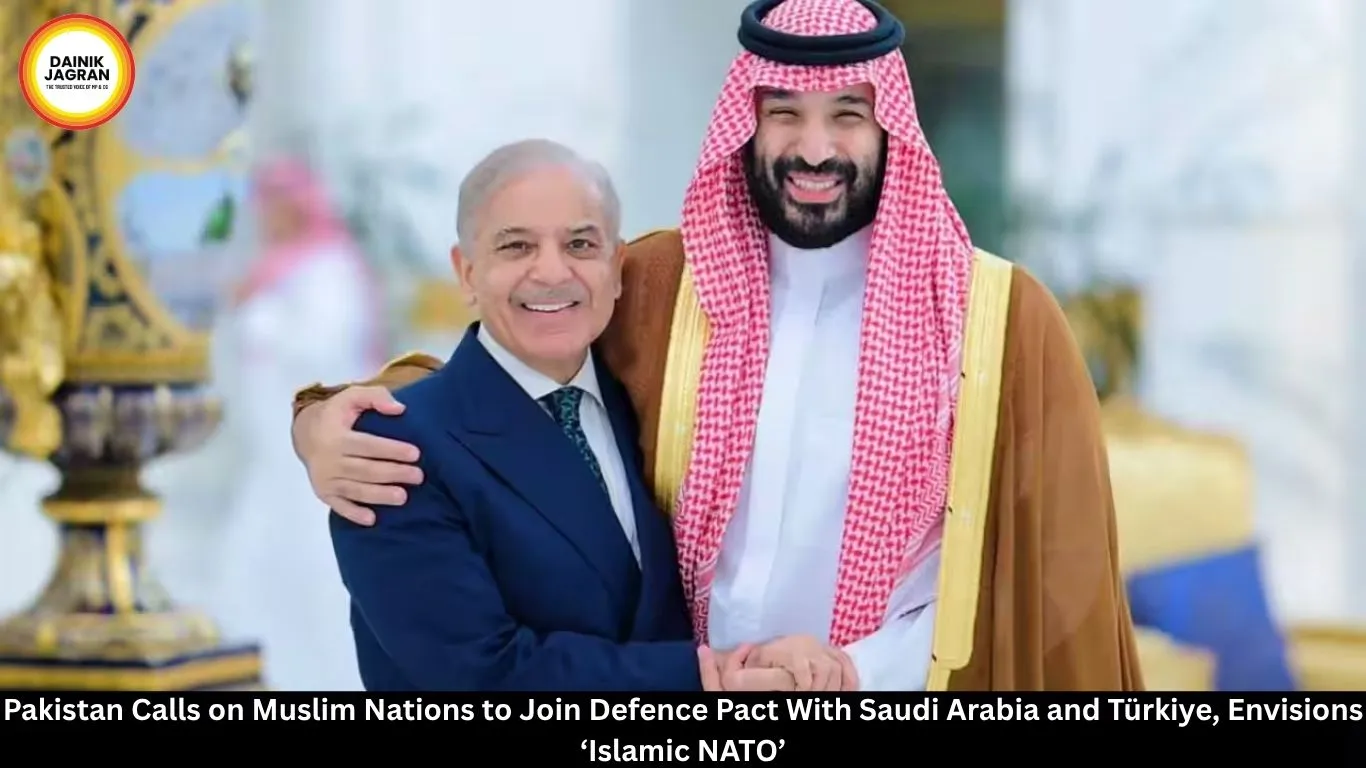
The Makkah agreement was signed by Saudi Crown Prince Mohammed bin Salman, Turkish President Recep Tayyip Erdoğan and Pakistani Prime Minister Shehbaz Sharif on Friday.
Its central provision states that an armed attack against any one of the three countries would be regarded as an attack against all of them.
The provision has drawn comparisons with Article 5 of the NATO treaty, which establishes the principle of collective defence.
However, the three countries have yet to spell out all operational details of the arrangement.
Turkish Foreign Minister Hakan Fidan has said that if one of the members comes under attack, the three countries would consult each other on the nature and extent of assistance required.
He has also stressed that the agreement is defensive and is not aimed at any particular country.
Three Countries, Different Strengths
The three founding members bring different strategic capabilities to the partnership.
Pakistan has extensive military experience and is the world's only Muslim-majority nuclear-armed state. Saudi Arabia contributes significant financial resources, energy influence and a strategic position in the Gulf.
Türkiye, meanwhile, is a NATO member with one of the alliance's largest armed forces and a rapidly expanding domestic defence industry.
Its military-industrial capabilities include drones, naval systems, missiles and other advanced defence technologies.
The combination of Pakistani military capabilities, Saudi economic resources and Turkish defence production has prompted analysts to examine the potential significance of the arrangement for the region.
Could More Countries Join?
Pakistan is not the only country suggesting that the alliance could expand.
Fidan has indicated that Turkish President Erdoğan supports the possibility of bringing additional countries into the arrangement. He also mentioned Egypt as one potential candidate.
Pakistan's leadership has similarly stressed that the agreement remains open to other countries that are willing to accept its principles.
However, whether major Muslim countries such as Egypt or others eventually join will depend on their own strategic interests and relations with the three founding members.
Pakistan Says Pact Is Not Against Iran
Islamabad has sought to emphasise that the agreement is not directed against Iran or any other country.
Pakistan's Foreign Minister Ishaq Dar described the pact as "purely defensive in nature" and said it was intended to strengthen regional security cooperation.
Dar also said the agreement does not replace or cancel existing bilateral or multilateral arrangements involving the participating countries.
In a post on X, he said Pakistan would continue engaging with countries across the region to promote peace and stability.
A New Security Framework?
The pact comes at a time of heightened tensions across West Asia and growing concerns about regional security.
For Pakistan, expanding the agreement could strengthen its diplomatic and strategic role among Muslim-majority nations. For Saudi Arabia, closer defence cooperation with Pakistan and Türkiye could provide additional security partnerships at a time of uncertainty over regional conflicts.
Türkiye, meanwhile, could gain greater influence in a broader security framework connecting South Asia with the Gulf.
Whether the Makkah agreement develops into a wider alliance, however, will depend on how its collective-defence clause is implemented and whether other countries are willing to join.
For now, Pakistan's call for Muslim nations to "put differences aside" marks an ambitious attempt to turn the three-country pact into a broader regional security platform.

Pakistan Calls Muslim Nations to Join Saudi-Türkiye Defence Pact, Eyes ‘Islamic NATO’
Digital desk
Pakistan has called on other Muslim-majority countries to set aside their differences and consider joining its new defence agreement with Saudi Arabia and Türkiye, with Defence Minister Khawaja Asif saying the grouping could eventually develop into a broader collective security alliance similar to NATO.
The remarks came days after Pakistan, Saudi Arabia and Türkiye signed the Makkah Joint Defence Agreement, a pact that includes a mutual defence commitment under which an armed attack on one member would be treated as an attack on all three.
Speaking to Geo News, Asif said the agreement should not remain limited to its three founding members and argued that other Muslim nations should be able to join.
Pakistan Wants Wider Muslim Alliance
Asif said the agreement should not become an exclusive arrangement between Pakistan, Saudi Arabia and Türkiye.
He called on Muslim countries to put aside bilateral disputes and other differences in favour of cooperation on security issues.
The Pakistani defence minister said a broader alliance could operate along the lines of NATO, although the exact structure and scope of any future expansion remain unclear.
His comments come as the new pact attracts attention across West Asia and South Asia amid heightened regional security tensions.
What Does the Defence Pact Say?
The Makkah agreement was signed by Saudi Crown Prince Mohammed bin Salman, Turkish President Recep Tayyip Erdoğan and Pakistani Prime Minister Shehbaz Sharif on Friday.
Its central provision states that an armed attack against any one of the three countries would be regarded as an attack against all of them.
The provision has drawn comparisons with Article 5 of the NATO treaty, which establishes the principle of collective defence.
However, the three countries have yet to spell out all operational details of the arrangement.
Turkish Foreign Minister Hakan Fidan has said that if one of the members comes under attack, the three countries would consult each other on the nature and extent of assistance required.
He has also stressed that the agreement is defensive and is not aimed at any particular country.
Three Countries, Different Strengths
The three founding members bring different strategic capabilities to the partnership.
Pakistan has extensive military experience and is the world's only Muslim-majority nuclear-armed state. Saudi Arabia contributes significant financial resources, energy influence and a strategic position in the Gulf.
Türkiye, meanwhile, is a NATO member with one of the alliance's largest armed forces and a rapidly expanding domestic defence industry.
Its military-industrial capabilities include drones, naval systems, missiles and other advanced defence technologies.
The combination of Pakistani military capabilities, Saudi economic resources and Turkish defence production has prompted analysts to examine the potential significance of the arrangement for the region.
Could More Countries Join?
Pakistan is not the only country suggesting that the alliance could expand.
Fidan has indicated that Turkish President Erdoğan supports the possibility of bringing additional countries into the arrangement. He also mentioned Egypt as one potential candidate.
Pakistan's leadership has similarly stressed that the agreement remains open to other countries that are willing to accept its principles.
However, whether major Muslim countries such as Egypt or others eventually join will depend on their own strategic interests and relations with the three founding members.
Pakistan Says Pact Is Not Against Iran
Islamabad has sought to emphasise that the agreement is not directed against Iran or any other country.
Pakistan's Foreign Minister Ishaq Dar described the pact as "purely defensive in nature" and said it was intended to strengthen regional security cooperation.
Dar also said the agreement does not replace or cancel existing bilateral or multilateral arrangements involving the participating countries.
In a post on X, he said Pakistan would continue engaging with countries across the region to promote peace and stability.
A New Security Framework?
The pact comes at a time of heightened tensions across West Asia and growing concerns about regional security.
For Pakistan, expanding the agreement could strengthen its diplomatic and strategic role among Muslim-majority nations. For Saudi Arabia, closer defence cooperation with Pakistan and Türkiye could provide additional security partnerships at a time of uncertainty over regional conflicts.
Türkiye, meanwhile, could gain greater influence in a broader security framework connecting South Asia with the Gulf.
Whether the Makkah agreement develops into a wider alliance, however, will depend on how its collective-defence clause is implemented and whether other countries are willing to join.
For now, Pakistan's call for Muslim nations to "put differences aside" marks an ambitious attempt to turn the three-country pact into a broader regional security platform.
Recommended For You
--------
🚨 Beat the News Rush – Join Now!
Get breaking alerts, hot exclusives, and game-changing stories instantly on your phone. No delays, no fluff – just the edge you need. ⚡
Tap to join:
🟢 WhatsApp Channel: Dainik Jagran MP CG
Crave more?
🅕 Facebook: Dainik Jagran MP CG English
🅧 Twitter (X): Dainik Jagran MP CG
🅘 Instagram: Dainik Jagran MP CG
Share the fire – keep your crew ahead! 🗞️🔥