


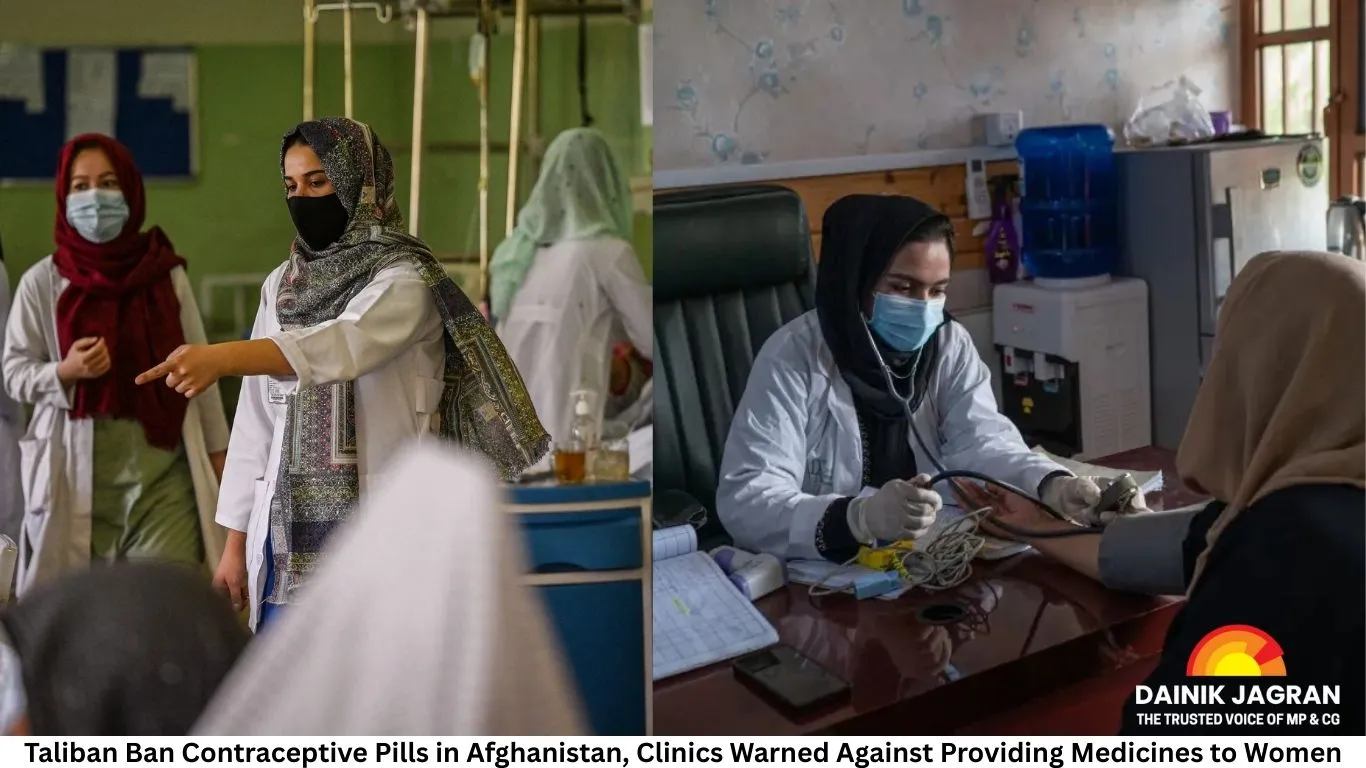
Taliban Ban Contraceptive Pills in Afghanistan, Clinics Warned Against Providing Medicines to Women
Digital Desk
Doctors in several provinces said Taliban authorities have threatened to shut down clinics found providing contraceptive medicines. In Badghis province, staff at a private clinic reported that their stock of medicines was destroyed and they were warned of closure if such drugs were made available again. Similar instructions have been conveyed to health facilities in Jawzjan, Kandahar and other regions.
A doctor in Jawzjan, who has operated a clinic for nearly three decades, said contraceptive pills have almost vanished from local supply chains since the Taliban returned to power in 2021. “Earlier, nearly half the women who came to us needed contraceptive support. Now we have to tell them nothing is available,” he said.
The ban has compounded existing restrictions on women’s access to healthcare. In several areas, women are barred from seeking treatment directly from male doctors, leaving many without medical assistance for pregnancy-related complications, miscarriages, or chronic conditions. Health workers say the rules are particularly severe in southern provinces such as Kandahar.
Women and families report serious consequences. Parwana, a 36-year-old woman from Kandahar, has endured nine pregnancies and six miscarriages. Her mother said repeated pregnancies and fear have left her mentally and physically broken. Shakiba, 42, also from Kandahar, is the mother of 12 children and suffers from severe bone pain, while her husband refuses contraception. Another woman, Zarghona, 29, developed life-threatening complications after repeated pregnancies despite medical advice warning against it.
The situation is worsened by the collapse of Afghanistan’s healthcare system. According to the United Nations and the World Health Organization, more than 440 hospitals and clinics closed last year due to reduced international funding. In rural areas, women often travel hours to reach the nearest functioning health centre, and many give birth at home without trained assistance. Aid agencies estimate that around 80% of pregnant and breastfeeding women are malnourished, suffering from anaemia and vitamin deficiencies.
Since regaining power in August 2021, the Taliban have steadily tightened restrictions on women, including bans on secondary and higher education, limits on employment, and severe curbs on movement and public expression. Human rights groups and the United Nations have repeatedly criticised these measures, warning they violate fundamental rights and risk long-term harm to Afghan society.
.jpg)




