Trump’s Oman Warning Renews Debate Over US Military Posture

Digital Desk

Trump’s Oman Warning Renews Debate Over US Military Posture

Donald Trump’s warning to Oman over the Strait of Hormuz has sparked fresh debate over US military posture and rising Gulf tensions.


Strait of Hormuz Tensions

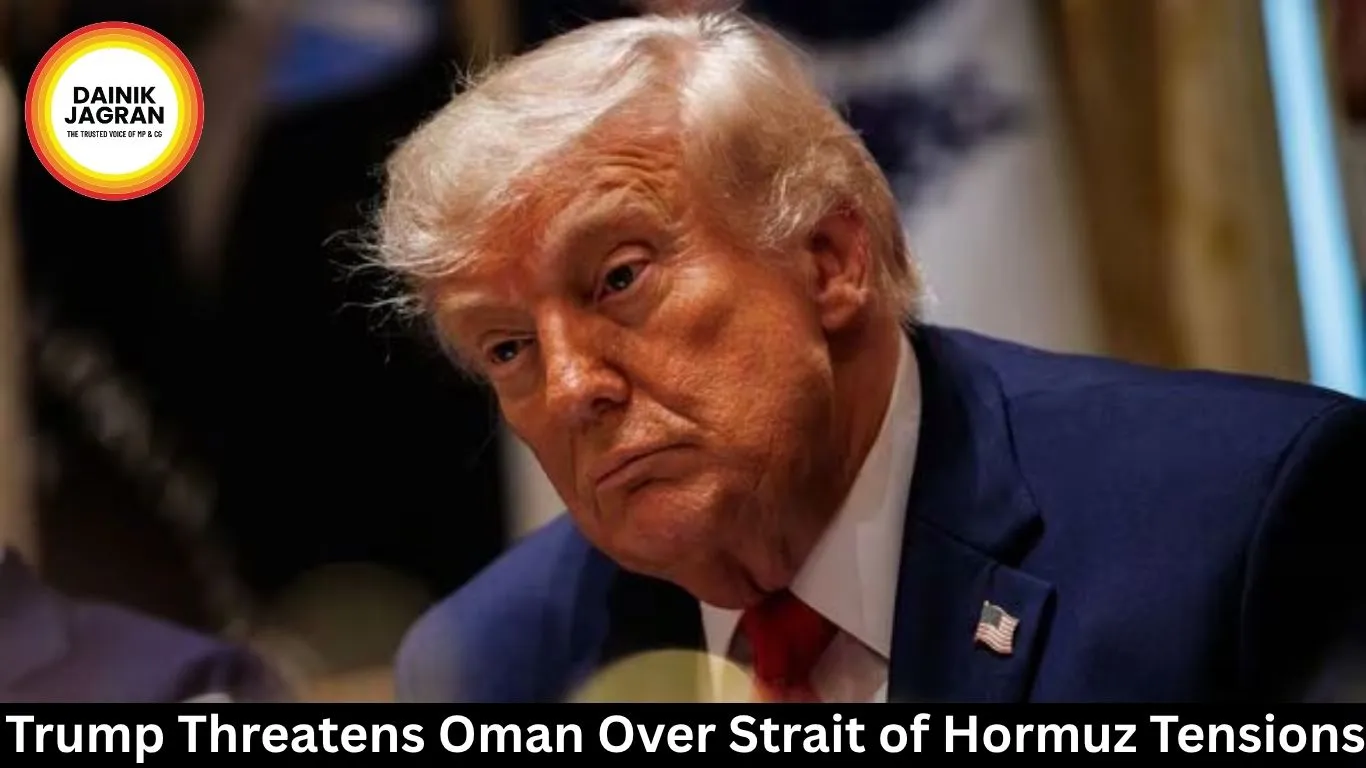
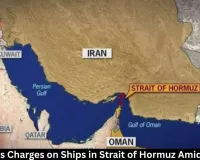
US President Donald Trump has triggered fresh geopolitical tensions after warning Oman against any move that could affect access through the Strait of Hormuz, one of the world’s most critical oil shipping routes.

Speaking on Wednesday, Trump said the United States would respond forcefully if Oman aligned with Iran in efforts to control or restrict movement through the strategic waterway. The remarks quickly drew international attention, especially across West Asia, where concerns over regional security and energy trade remain high.

The Strait of Hormuz handles a significant portion of global crude oil shipments, and any threat to navigation there typically raises fears of economic disruption and military escalation.

Sharp Remarks From Trump

According to reports circulating in Washington, Trump warned that if Oman joined Iran in exerting pressure over the strait, the US would “blow it up”. While the statement has not yet been accompanied by any formal military announcement, it has added to concerns over the increasingly aggressive rhetoric emerging from the White House.

Oman has traditionally maintained balanced ties with both the United States and Iran and has often acted as a regional mediator during periods of tension. Diplomats familiar with Gulf affairs said Muscat has generally avoided direct confrontation and preferred quiet negotiations over public escalation.

Trump’s latest comments have nevertheless pushed Oman into the centre of a wider debate about Washington’s military posture under his current presidency.

Claims Around Military Action

Political observers and several international commentators have pointed out that Trump has repeatedly used strong military language against both allies and adversaries. Reports and public statements over recent months have included warnings directed at multiple countries, alongside threats related to territorial control and strategic waterways.

The US has also continued military operations in conflict zones including Yemen, Iraq and Syria, largely targeting armed groups linked to Iran or extremist organisations operating in the region.

In Yemen, American strikes intensified after attacks on commercial shipping routes in the Red Sea. In Syria and Iraq, US operations have focused on militia networks accused of targeting American military facilities.

However, some claims circulating online regarding direct US attacks or regime-change operations in countries such as Venezuela remain disputed or lack official confirmation.

Campaign Promises Revisited

Before returning to office, Trump frequently projected himself during the 2024 campaign as a leader who could avoid large-scale wars while using negotiation and economic pressure to secure American interests.

At rallies across the United States, he criticised previous administrations for prolonged military engagements in Iraq and Afghanistan and argued that global conflicts would have been handled differently under his leadership.

Trump also repeatedly claimed the Russia-Ukraine conflict would not have erupted had he remained president after 2020.

Critics, however, argue that his second term has seen rising military tensions rather than diplomatic stabilisation. Foreign policy analysts say the administration’s language toward Iran and other rivals has become more confrontational in recent months.

‘Madman Theory’ Discussion

Several experts have compared Trump’s approach to what political scientists describe as the “Madman Theory” — a strategy associated with former US President Richard Nixon during the Cold War era.

The theory involves projecting unpredictability so that rivals fear extreme retaliation and become more willing to compromise.

Trump has often used abrupt warnings, tariff threats and public pressure tactics during negotiations with both allies and opponents. Analysts say this style has produced mixed outcomes internationally.

According to recent assessments by Western policy experts, NATO allies have responded by increasing defence preparedness, while countries such as Iran and Russia have largely maintained their positions despite repeated warnings from Washington.

Concerns Over Iran

The renewed pressure campaign against Iran has also revived debate around Tehran’s nuclear ambitions. Some foreign policy specialists believe sustained military threats could push Iran toward accelerating its nuclear programme instead of restraining it.

Former diplomats and strategic analysts have argued that examples from Iraq and Libya continue to shape Iran’s security calculations. They note that governments without nuclear deterrence faced collapse, while nuclear-armed states like North Korea have remained insulated from direct foreign intervention.

For now, no official response has been issued by Oman regarding Trump’s latest remarks. But the statement has once again highlighted how rapidly tensions surrounding the Gulf region and the Strait of Hormuz can escalate, particularly during periods of heightened confrontation between Washington and Tehran.
 

--------

🚨 Beat the News Rush – Join Now!

Get breaking alerts, hot exclusives, and game-changing stories instantly on your phone. No delays, no fluff – just the edge you need. ⚡

Tap to join: 

🟢 WhatsApp Channel: Dainik Jagran MP CG

Crave more?

🅕 Facebook: Dainik Jagran MP CG English

🅧 Twitter (X): Dainik Jagran MP CG

🅘 Instagram: Dainik Jagran MP CG

Share the fire – keep your crew ahead! 🗞️🔥

english.dainikjagranmpcg.com
29 May 2026 By Abhishek Joshi

Trump’s Oman Warning Renews Debate Over US Military Posture

Digital Desk

Strait of Hormuz Tensions

US President Donald Trump has triggered fresh geopolitical tensions after warning Oman against any move that could affect access through the Strait of Hormuz, one of the world’s most critical oil shipping routes.

Speaking on Wednesday, Trump said the United States would respond forcefully if Oman aligned with Iran in efforts to control or restrict movement through the strategic waterway. The remarks quickly drew international attention, especially across West Asia, where concerns over regional security and energy trade remain high.

The Strait of Hormuz handles a significant portion of global crude oil shipments, and any threat to navigation there typically raises fears of economic disruption and military escalation.

Sharp Remarks From Trump

According to reports circulating in Washington, Trump warned that if Oman joined Iran in exerting pressure over the strait, the US would “blow it up”. While the statement has not yet been accompanied by any formal military announcement, it has added to concerns over the increasingly aggressive rhetoric emerging from the White House.

Oman has traditionally maintained balanced ties with both the United States and Iran and has often acted as a regional mediator during periods of tension. Diplomats familiar with Gulf affairs said Muscat has generally avoided direct confrontation and preferred quiet negotiations over public escalation.

Trump’s latest comments have nevertheless pushed Oman into the centre of a wider debate about Washington’s military posture under his current presidency.

Claims Around Military Action

Political observers and several international commentators have pointed out that Trump has repeatedly used strong military language against both allies and adversaries. Reports and public statements over recent months have included warnings directed at multiple countries, alongside threats related to territorial control and strategic waterways.

The US has also continued military operations in conflict zones including Yemen, Iraq and Syria, largely targeting armed groups linked to Iran or extremist organisations operating in the region.

In Yemen, American strikes intensified after attacks on commercial shipping routes in the Red Sea. In Syria and Iraq, US operations have focused on militia networks accused of targeting American military facilities.

However, some claims circulating online regarding direct US attacks or regime-change operations in countries such as Venezuela remain disputed or lack official confirmation.

Campaign Promises Revisited

Before returning to office, Trump frequently projected himself during the 2024 campaign as a leader who could avoid large-scale wars while using negotiation and economic pressure to secure American interests.

At rallies across the United States, he criticised previous administrations for prolonged military engagements in Iraq and Afghanistan and argued that global conflicts would have been handled differently under his leadership.

Trump also repeatedly claimed the Russia-Ukraine conflict would not have erupted had he remained president after 2020.

Critics, however, argue that his second term has seen rising military tensions rather than diplomatic stabilisation. Foreign policy analysts say the administration’s language toward Iran and other rivals has become more confrontational in recent months.

‘Madman Theory’ Discussion

Several experts have compared Trump’s approach to what political scientists describe as the “Madman Theory” — a strategy associated with former US President Richard Nixon during the Cold War era.

The theory involves projecting unpredictability so that rivals fear extreme retaliation and become more willing to compromise.

Trump has often used abrupt warnings, tariff threats and public pressure tactics during negotiations with both allies and opponents. Analysts say this style has produced mixed outcomes internationally.

According to recent assessments by Western policy experts, NATO allies have responded by increasing defence preparedness, while countries such as Iran and Russia have largely maintained their positions despite repeated warnings from Washington.

Concerns Over Iran

The renewed pressure campaign against Iran has also revived debate around Tehran’s nuclear ambitions. Some foreign policy specialists believe sustained military threats could push Iran toward accelerating its nuclear programme instead of restraining it.

Former diplomats and strategic analysts have argued that examples from Iraq and Libya continue to shape Iran’s security calculations. They note that governments without nuclear deterrence faced collapse, while nuclear-armed states like North Korea have remained insulated from direct foreign intervention.

For now, no official response has been issued by Oman regarding Trump’s latest remarks. But the statement has once again highlighted how rapidly tensions surrounding the Gulf region and the Strait of Hormuz can escalate, particularly during periods of heightened confrontation between Washington and Tehran.


https://english.dainikjagranmpcg.com/international/trump%E2%80%99s-oman-warning-renews-debate-over-us-military-posture/article-19428

Latest News