Trump Cancels Iran Strikes, Announces Fresh Talks: What Led to the Major US Policy Reversal?
Digital desk
Donald Trump has cancelled planned US strikes on Iran and announced renewed negotiations over the Strait of Hormuz. Here's what prompted the dramatic policy shift and what comes next.
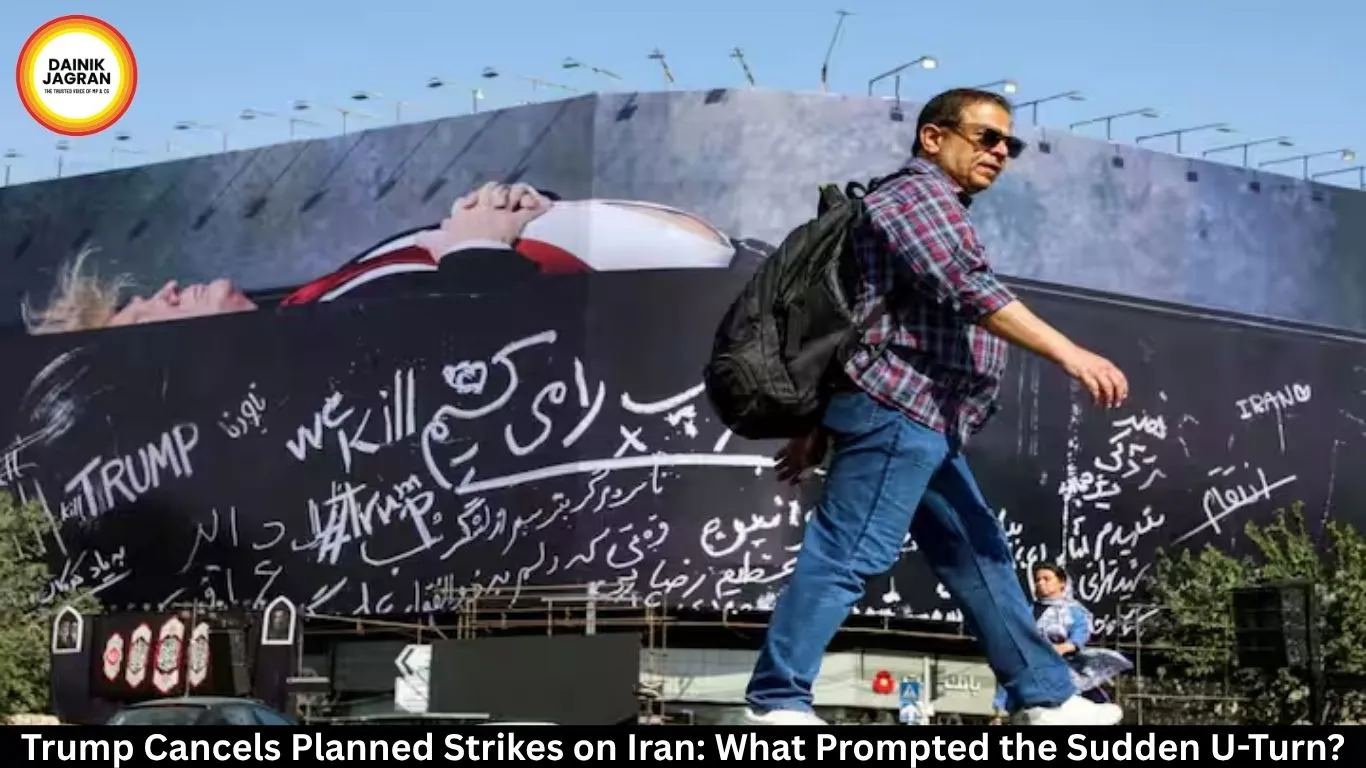
In a dramatic shift in US policy, President Donald Trump has called off planned military strikes on Iran, announcing that negotiations with Tehran are set to resume after what he described as progress toward a deal involving the Strait of Hormuz. The reversal came just days after Trump threatened to hit Iran "very hard," marking a significant change in Washington's approach to the escalating West Asia crisis.
From Military Threats to Diplomacy
The latest turn in events follows weeks of heightened tensions between the United States and Iran. During a meeting at Camp David last week, Trump expressed frustration over stalled diplomatic efforts, accusing Tehran of repeatedly violating commitments and warning that the US would launch severe military action if Iran continued its aggression.
Reports in American media suggested that US strikes targeting Iranian power infrastructure were under consideration and could take place over the weekend. However, those plans were shelved before any operation was launched.
Trump Announces Pause in Military Action
In a post on his Truth Social platform, Trump said the United States had been asked by Iran and several Middle Eastern countries to delay military action because the "parameters of a deal" had been agreed upon.
According to Trump, the proposed understanding includes:
-
Immediate reopening of the Strait of Hormuz for international shipping.
-
Progress toward addressing concerns over Iran's nuclear programme.
-
A return to diplomatic negotiations beginning this week.
Trump added that the decision to cancel the strikes was conditional and warned that the US military remained fully prepared to respond if talks failed.
"The United States is locked and loaded and ready to go," Trump said, stressing that military action remains an option if diplomacy collapses.
Iran Rejects Trump's Claim
Iran quickly dismissed Trump's assertion that Tehran had requested a delay in US military action.
Iranian state media denied that any such request had been made, maintaining that the Islamic Republic had not sought American restraint. While rejecting Trump's version of events, Iranian officials confirmed that diplomatic contacts could continue regarding regional security and maritime issues.
The conflicting narratives have added uncertainty over the actual nature of the reported breakthrough.
Gulf Nations Played a Key Role
Multiple US media reports indicate that Gulf countries, particularly Saudi Arabia, were instrumental in encouraging de-escalation.
According to reports:
-
Saudi Crown Prince Mohammed bin Salman reportedly warned Trump that strikes on Iranian energy infrastructure could trigger retaliation against oil facilities across the Gulf.
-
Regional leaders expressed concern that a wider conflict could threaten global energy supplies and disrupt shipping through the Strait of Hormuz.
-
Diplomatic efforts intensified over the weekend to prevent another large-scale military confrontation.
The Strait of Hormuz remains one of the world's most critical maritime trade routes, carrying a significant share of global crude oil exports.
Why the Sudden U-Turn?
Analysts believe several factors may have influenced Trump's decision:
-
Growing pressure from Gulf allies worried about regional instability.
-
Concerns over disruptions to global energy markets.
-
The possibility of renewed negotiations on Iran's nuclear programme.
-
The risk of a wider military conflict involving multiple regional powers.
While Trump has portrayed the move as a diplomatic success, critics argue it represents another instance of aggressive rhetoric followed by strategic retreat.
What Happens Next?
Negotiations between the United States and Iran are expected to resume, with discussions likely to focus on:
-
Freedom of navigation through the Strait of Hormuz.
-
Regional security.
-
Iran's nuclear activities.
-
Preventing further military escalation.
Despite the renewed diplomatic push, officials from both sides continue to exchange strong public warnings, suggesting that tensions remain high and the situation could change rapidly if talks fail.
--------
๐จ Beat the News Rush โ Join Now!
Get breaking alerts, hot exclusives, and game-changing stories instantly on your phone. No delays, no fluff โ just the edge you need. โก
Tap to join:ย
๐ข WhatsApp Channel: Dainik Jagran MP CG
Crave more?
๐ Facebook: Dainik Jagran MP CG English
๐ ง Twitter (X): Dainik Jagran MP CG
๐ Instagram: Dainik Jagran MP CG
Share the fire โ keep your crew ahead! ๐๏ธ๐ฅ
Trump Cancels Iran Strikes, Announces Fresh Talks: What Led to the Major US Policy Reversal?
Digital desk
In a dramatic shift in US policy, President Donald Trump has called off planned military strikes on Iran, announcing that negotiations with Tehran are set to resume after what he described as progress toward a deal involving the Strait of Hormuz. The reversal came just days after Trump threatened to hit Iran "very hard," marking a significant change in Washington's approach to the escalating West Asia crisis.
From Military Threats to Diplomacy
The latest turn in events follows weeks of heightened tensions between the United States and Iran. During a meeting at Camp David last week, Trump expressed frustration over stalled diplomatic efforts, accusing Tehran of repeatedly violating commitments and warning that the US would launch severe military action if Iran continued its aggression.
Reports in American media suggested that US strikes targeting Iranian power infrastructure were under consideration and could take place over the weekend. However, those plans were shelved before any operation was launched.
Trump Announces Pause in Military Action
In a post on his Truth Social platform, Trump said the United States had been asked by Iran and several Middle Eastern countries to delay military action because the "parameters of a deal" had been agreed upon.
According to Trump, the proposed understanding includes:
-
Immediate reopening of the Strait of Hormuz for international shipping.
-
Progress toward addressing concerns over Iran's nuclear programme.
-
A return to diplomatic negotiations beginning this week.
Trump added that the decision to cancel the strikes was conditional and warned that the US military remained fully prepared to respond if talks failed.
"The United States is locked and loaded and ready to go," Trump said, stressing that military action remains an option if diplomacy collapses.
Iran Rejects Trump's Claim
Iran quickly dismissed Trump's assertion that Tehran had requested a delay in US military action.
Iranian state media denied that any such request had been made, maintaining that the Islamic Republic had not sought American restraint. While rejecting Trump's version of events, Iranian officials confirmed that diplomatic contacts could continue regarding regional security and maritime issues.
The conflicting narratives have added uncertainty over the actual nature of the reported breakthrough.
Gulf Nations Played a Key Role
Multiple US media reports indicate that Gulf countries, particularly Saudi Arabia, were instrumental in encouraging de-escalation.
According to reports:
-
Saudi Crown Prince Mohammed bin Salman reportedly warned Trump that strikes on Iranian energy infrastructure could trigger retaliation against oil facilities across the Gulf.
-
Regional leaders expressed concern that a wider conflict could threaten global energy supplies and disrupt shipping through the Strait of Hormuz.
-
Diplomatic efforts intensified over the weekend to prevent another large-scale military confrontation.
The Strait of Hormuz remains one of the world's most critical maritime trade routes, carrying a significant share of global crude oil exports.
Why the Sudden U-Turn?
Analysts believe several factors may have influenced Trump's decision:
-
Growing pressure from Gulf allies worried about regional instability.
-
Concerns over disruptions to global energy markets.
-
The possibility of renewed negotiations on Iran's nuclear programme.
-
The risk of a wider military conflict involving multiple regional powers.
While Trump has portrayed the move as a diplomatic success, critics argue it represents another instance of aggressive rhetoric followed by strategic retreat.
What Happens Next?
Negotiations between the United States and Iran are expected to resume, with discussions likely to focus on:
-
Freedom of navigation through the Strait of Hormuz.
-
Regional security.
-
Iran's nuclear activities.
-
Preventing further military escalation.
Despite the renewed diplomatic push, officials from both sides continue to exchange strong public warnings, suggesting that tensions remain high and the situation could change rapidly if talks fail.