Trump Pauses Wider Iran Attack Plans Amid Pentagon Concerns Over Missile Stockpiles

Digital Desk

Trump Pauses Wider Iran Attack Plans Amid Pentagon Concerns Over Missile Stockpiles

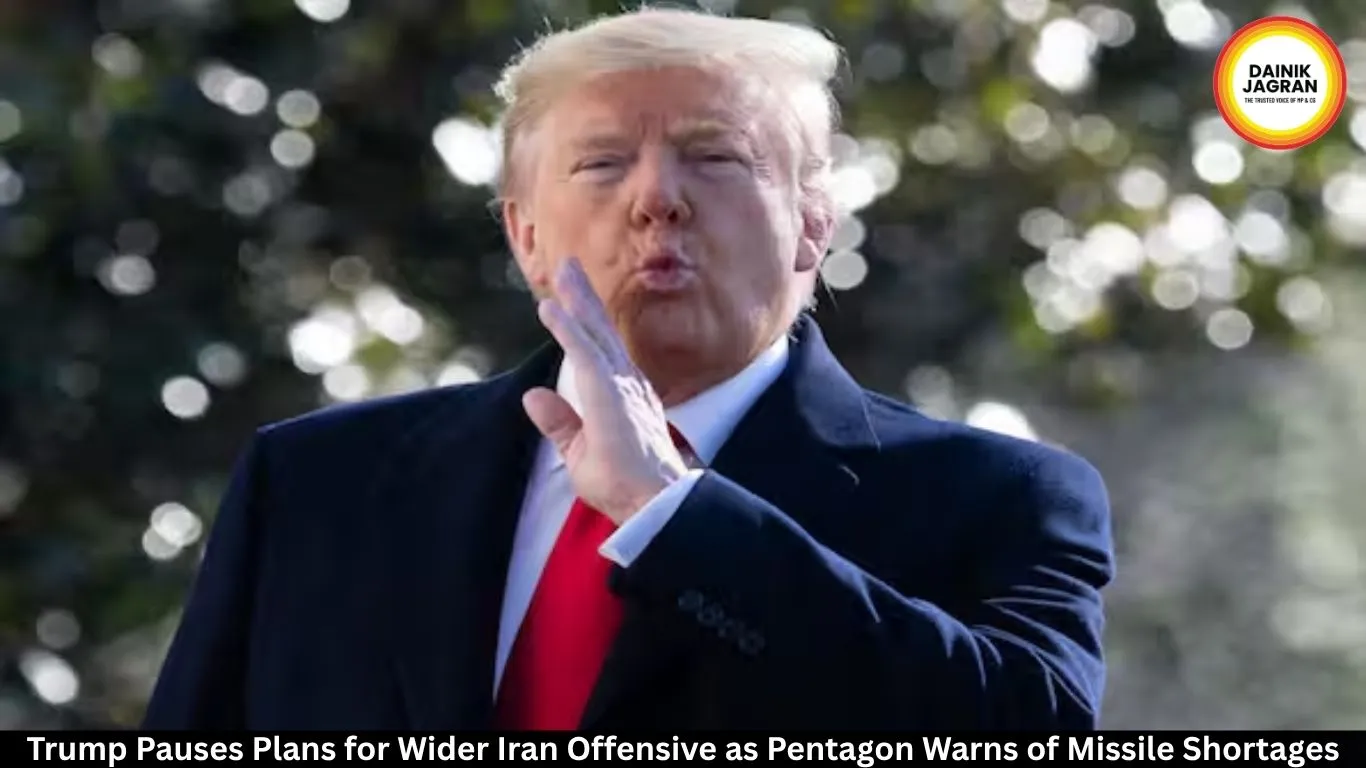
President Donald Trump has reportedly delayed plans to escalate military action against Iran after senior officials warned about dwindling Patriot missile inventories and the risks of a prolonged regional conflict.

US President Donald Trump has reportedly put on hold at least one proposal to significantly expand military operations against Iran, as senior administration and military officials raised concerns over the strategic and logistical costs of a prolonged conflict.

According to a report by The New York Times, the decision follows internal discussions within the Trump administration over the Pentagon's dwindling stockpile of Patriot missile interceptors and other critical air defence systems. Officials reportedly fear that escalating the conflict could weaken the United States' defensive capabilities in the region and reduce its preparedness for future threats.

Pentagon Raises Operational Concerns

The report says Trump met with senior national security officials on Friday to review military options and assess the risks of further action against Iran.

Among the key concerns discussed was the shrinking inventory of Patriot missile interceptors, which have been heavily used to defend US personnel and allied assets in West Asia against missile and drone attacks.

General Dan Caine, Chairman of the Joint Chiefs of Staff, reportedly cautioned that while the US military retains the capability to resume large-scale operations against Iran, doing so could substantially deplete air defence resources available to US Central Command.

The discussion gained urgency after three American soldiers were killed in Jordan earlier this week when a ballistic missile penetrated US air defences during an attack involving Iranian missiles and drones.

Diplomacy Gains Momentum

The reported reassessment also reflects growing concern within the administration that an expanded conflict could destabilise the broader West Asian region and strain relations with key Gulf allies.

White House Communications Director Steven Cheung reiterated that President Trump continues to favour diplomacy while keeping military options available.

"The President has always been consistent in saying he prefers a diplomatic solution, but he continues to retain all options if Iran continues terrorist activities in the Strait of Hormuz or against allies," Cheung said.

He added that Iran should pursue negotiations after facing extensive sanctions and repeated military strikes, warning that the consequences of refusing diplomacy were well understood by Tehran.

Officials Question Military Escalation

According to the report, several senior officials within the administration privately questioned whether renewed large-scale strikes would achieve Washington's strategic objectives.

One official, speaking anonymously, reportedly argued that further military action could strengthen domestic support for Iran's leadership rather than force it back to negotiations, allowing Tehran to rally public opinion around an external threat.

Regional Tensions Continue

Although reports suggest the White House is delaying broader military action, hostilities in the region remain elevated.

The United States has reportedly continued air operations against Iranian targets, while clashes have also intensified between Saudi-backed forces and the Iran-aligned Houthi movement in Yemen, underscoring the fragile security situation across West Asia.

The developments indicate that while the Trump administration is leaving the door open for military action, it is also weighing the long-term strategic costs of sustaining a wider regional conflict.

--------

🚨 Beat the News Rush – Join Now!

Get breaking alerts, hot exclusives, and game-changing stories instantly on your phone. No delays, no fluff – just the edge you need. ⚡

Tap to join: 

🟢 WhatsApp Channel: Dainik Jagran MP CG

Crave more?

🅕 Facebook: Dainik Jagran MP CG English

🅧 Twitter (X): Dainik Jagran MP CG

🅘 Instagram: Dainik Jagran MP CG

Share the fire – keep your crew ahead! 🗞️🔥

english.dainikjagranmpcg.com
26 Jul 2026 By Abhishek Joshi

Trump Pauses Wider Iran Attack Plans Amid Pentagon Concerns Over Missile Stockpiles

Digital Desk

US President Donald Trump has reportedly put on hold at least one proposal to significantly expand military operations against Iran, as senior administration and military officials raised concerns over the strategic and logistical costs of a prolonged conflict.

According to a report by The New York Times, the decision follows internal discussions within the Trump administration over the Pentagon's dwindling stockpile of Patriot missile interceptors and other critical air defence systems. Officials reportedly fear that escalating the conflict could weaken the United States' defensive capabilities in the region and reduce its preparedness for future threats.

Pentagon Raises Operational Concerns

The report says Trump met with senior national security officials on Friday to review military options and assess the risks of further action against Iran.

Among the key concerns discussed was the shrinking inventory of Patriot missile interceptors, which have been heavily used to defend US personnel and allied assets in West Asia against missile and drone attacks.

General Dan Caine, Chairman of the Joint Chiefs of Staff, reportedly cautioned that while the US military retains the capability to resume large-scale operations against Iran, doing so could substantially deplete air defence resources available to US Central Command.

The discussion gained urgency after three American soldiers were killed in Jordan earlier this week when a ballistic missile penetrated US air defences during an attack involving Iranian missiles and drones.

Diplomacy Gains Momentum

The reported reassessment also reflects growing concern within the administration that an expanded conflict could destabilise the broader West Asian region and strain relations with key Gulf allies.

White House Communications Director Steven Cheung reiterated that President Trump continues to favour diplomacy while keeping military options available.

"The President has always been consistent in saying he prefers a diplomatic solution, but he continues to retain all options if Iran continues terrorist activities in the Strait of Hormuz or against allies," Cheung said.

He added that Iran should pursue negotiations after facing extensive sanctions and repeated military strikes, warning that the consequences of refusing diplomacy were well understood by Tehran.

Officials Question Military Escalation

According to the report, several senior officials within the administration privately questioned whether renewed large-scale strikes would achieve Washington's strategic objectives.

One official, speaking anonymously, reportedly argued that further military action could strengthen domestic support for Iran's leadership rather than force it back to negotiations, allowing Tehran to rally public opinion around an external threat.

Regional Tensions Continue

Although reports suggest the White House is delaying broader military action, hostilities in the region remain elevated.

The United States has reportedly continued air operations against Iranian targets, while clashes have also intensified between Saudi-backed forces and the Iran-aligned Houthi movement in Yemen, underscoring the fragile security situation across West Asia.

The developments indicate that while the Trump administration is leaving the door open for military action, it is also weighing the long-term strategic costs of sustaining a wider regional conflict.
https://english.dainikjagranmpcg.com/international/trump-pauses-wider-iran-attack-plans-amid-pentagon-concerns-over/article-23646

Trending News