Trump says Iran conflict will end quickly — Senate vote

Digital Desk

Trump says Iran conflict will end quickly — Senate vote

Trump vows a swift end to the Iran conflict as the US Senate advances a War Powers Resolution limiting military action without Congress.


Trump says Iran conflict will end “very quickly”; Senate moves to curb war powers

President reiterates goal to block Iran’s nuclear capability as Senate advances resolution limiting military action

President Donald Trump said on Tuesday the United States will bring the conflict with Iran to a swift close, while the Republican-led Senate took the rare step of advancing a War Powers Resolution designed to prevent prolonged military operations without explicit congressional approval.

Speaking at a White House event attended by lawmakers and aides in the late morning, Trump portrayed Tehran as anxious for a deal and said US forces would stop Iran from acquiring a nuclear weapon. “They want to make a deal so badly; they’re tired of this,” he said, adding that US pressure would continue until objectives were met. “We’ve done a hell of a good job… we’re going to be finished with that very quickly,” he said.

Senate moves

In Congress, senators voted to advance a measure that would curtail the president’s ability to conduct sustained military action against Iran without congressional authorisation. The procedural vote marked an unusual assertion of legislative oversight at a time of heightened tensions between Washington and Tehran.

According to Capitol Hill aides, the resolution could still face amendments and is likely to be the subject of tough partisan debate as supporters frame it as a defence of constitutional checks and balances, while opponents argue it could constrain rapid response options for commanders in the field.

Iran’s response

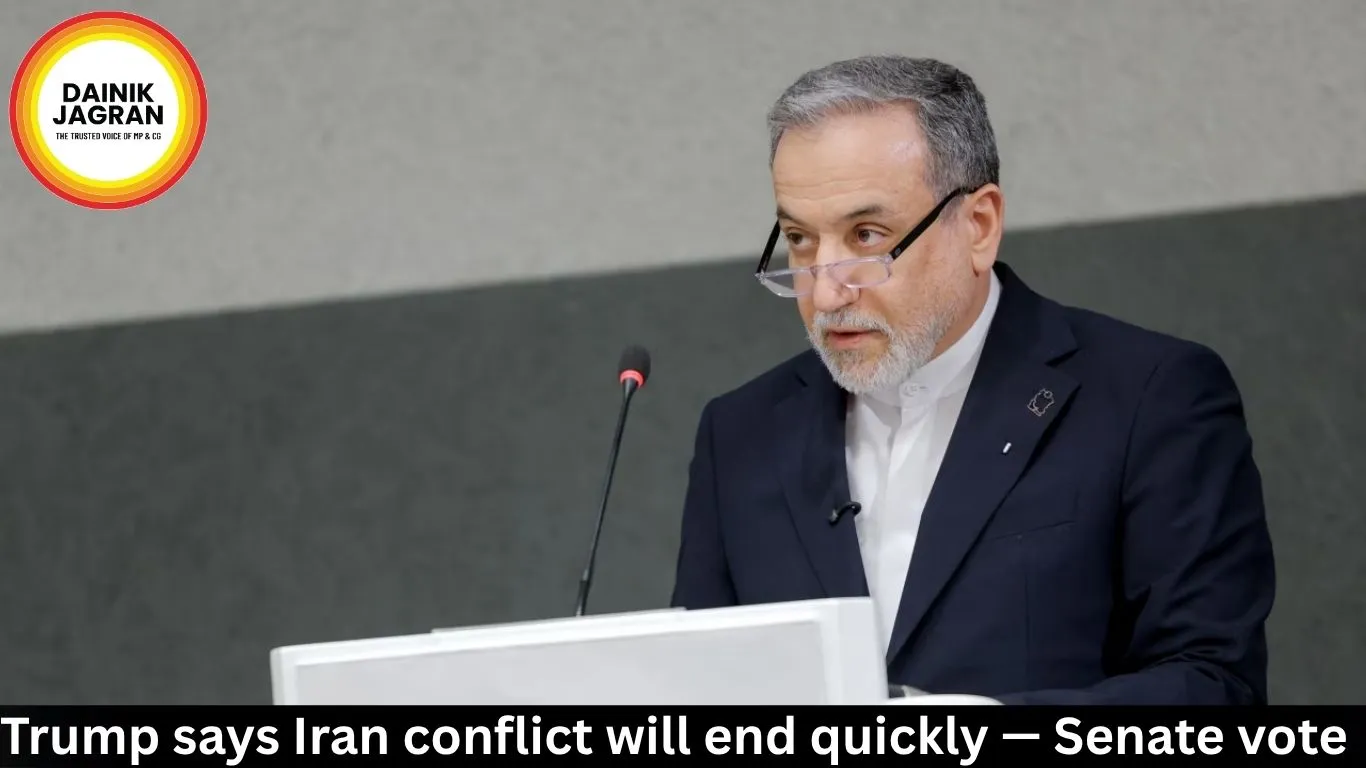
In Tehran, Foreign Minister Abbas Araghchi warned that any renewed conflict would “feature many more surprises,” posting on X (formerly Twitter) that Iran was prepared for escalation. Araghchi cited reporting he said showed dozens of US aircraft damaged or lost since strikes began in February and claimed Iranian forces were the first to down an F-35 — an assertion that has not been independently verified by third-party military analysts.

“Months after initiation of war on Iran, US Congress acknowledges loss of dozens of aircraft worth billions,” he wrote, invoking a Congressional Research Service document. Iranian state media amplified the remarks, underscoring Tehran’s effort to project resilience amid growing international concern.

Regional flare-ups

The broader region saw several security flashpoints overnight. Israeli aircraft struck towns in southern Lebanon, local media reported, while Israel said it intercepted a Gaza-bound flotilla and transferred 430 activists to Israeli vessels after an interception at sea. The US also announced a fresh round of sanctions targeting Iranian-linked currency exchange houses, front companies and a fleet of vessels accused of enabling Tehran to skirt restrictions and fund regional activities.

South Korea, meanwhile, said it held “serious discussions” after a South Korean-operated ship, the HMM Namu, was attacked in the Strait of Hormuz on May 4. Seoul is analysing recovered debris to determine what struck the vessel and who was responsible.

White House posture

The Trump administration has combined diplomacy with military readiness. Vice-President JD Vance said Washington remains “locked and loaded” should negotiations fail to produce a nuclear deal, while administration officials said sanctions and targeted strikes would remain tools to deter Tehran.

State Department spokesperson Tommy Pigott described the latest sanctions as part of an “economic fury campaign.” US officials have also been engaged in shuttle diplomacy with regional partners and consultations at NATO and with allies to prevent the conflict from widening.

What happens next

The Senate will continue to consider the War Powers Resolution, and a vote on final passage could come in the coming days. Diplomacy remains active in parallel: negotiators in Europe and the Gulf are reported to be pressing for renewed talks aimed at de-escalation and a framework to limit Iran’s nuclear activities.

On the ground, militaries in the Gulf and eastern Mediterranean are on heightened alert, diplomats said, while commercial shipping firms rerouted vessels after recent incidents in the Strait of Hormuz. Analysts warn that even if Washington and Tehran step back from direct confrontation, proxy incidents and third-party strikes could sustain instability.

For now, Washington’s mix of public warnings, sanctions and a pending congressional rebuke underscores a delicate moment: officials say they seek a quick, decisive outcome, but lawmakers and regional actors are preparing for a longer, risk-filled period if diplomacy falters.
 

--------

🚨 Beat the News Rush – Join Now!

Get breaking alerts, hot exclusives, and game-changing stories instantly on your phone. No delays, no fluff – just the edge you need. ⚡

Tap to join: 

🟢 WhatsApp Channel: Dainik Jagran MP CG

Crave more?

🅕 Facebook: Dainik Jagran MP CG English

🅧 Twitter (X): Dainik Jagran MP CG

🅘 Instagram: Dainik Jagran MP CG

Share the fire – keep your crew ahead! 🗞️🔥

english.dainikjagranmpcg.com
20 May 2026 By Abhishek Joshi

Trump says Iran conflict will end quickly — Senate vote

Digital Desk

Trump says Iran conflict will end “very quickly”; Senate moves to curb war powers

President reiterates goal to block Iran’s nuclear capability as Senate advances resolution limiting military action

President Donald Trump said on Tuesday the United States will bring the conflict with Iran to a swift close, while the Republican-led Senate took the rare step of advancing a War Powers Resolution designed to prevent prolonged military operations without explicit congressional approval.

Speaking at a White House event attended by lawmakers and aides in the late morning, Trump portrayed Tehran as anxious for a deal and said US forces would stop Iran from acquiring a nuclear weapon. “They want to make a deal so badly; they’re tired of this,” he said, adding that US pressure would continue until objectives were met. “We’ve done a hell of a good job… we’re going to be finished with that very quickly,” he said.

Senate moves

In Congress, senators voted to advance a measure that would curtail the president’s ability to conduct sustained military action against Iran without congressional authorisation. The procedural vote marked an unusual assertion of legislative oversight at a time of heightened tensions between Washington and Tehran.

According to Capitol Hill aides, the resolution could still face amendments and is likely to be the subject of tough partisan debate as supporters frame it as a defence of constitutional checks and balances, while opponents argue it could constrain rapid response options for commanders in the field.

Iran’s response

In Tehran, Foreign Minister Abbas Araghchi warned that any renewed conflict would “feature many more surprises,” posting on X (formerly Twitter) that Iran was prepared for escalation. Araghchi cited reporting he said showed dozens of US aircraft damaged or lost since strikes began in February and claimed Iranian forces were the first to down an F-35 — an assertion that has not been independently verified by third-party military analysts.

“Months after initiation of war on Iran, US Congress acknowledges loss of dozens of aircraft worth billions,” he wrote, invoking a Congressional Research Service document. Iranian state media amplified the remarks, underscoring Tehran’s effort to project resilience amid growing international concern.

Regional flare-ups

The broader region saw several security flashpoints overnight. Israeli aircraft struck towns in southern Lebanon, local media reported, while Israel said it intercepted a Gaza-bound flotilla and transferred 430 activists to Israeli vessels after an interception at sea. The US also announced a fresh round of sanctions targeting Iranian-linked currency exchange houses, front companies and a fleet of vessels accused of enabling Tehran to skirt restrictions and fund regional activities.

South Korea, meanwhile, said it held “serious discussions” after a South Korean-operated ship, the HMM Namu, was attacked in the Strait of Hormuz on May 4. Seoul is analysing recovered debris to determine what struck the vessel and who was responsible.

White House posture

The Trump administration has combined diplomacy with military readiness. Vice-President JD Vance said Washington remains “locked and loaded” should negotiations fail to produce a nuclear deal, while administration officials said sanctions and targeted strikes would remain tools to deter Tehran.

State Department spokesperson Tommy Pigott described the latest sanctions as part of an “economic fury campaign.” US officials have also been engaged in shuttle diplomacy with regional partners and consultations at NATO and with allies to prevent the conflict from widening.

What happens next

The Senate will continue to consider the War Powers Resolution, and a vote on final passage could come in the coming days. Diplomacy remains active in parallel: negotiators in Europe and the Gulf are reported to be pressing for renewed talks aimed at de-escalation and a framework to limit Iran’s nuclear activities.

On the ground, militaries in the Gulf and eastern Mediterranean are on heightened alert, diplomats said, while commercial shipping firms rerouted vessels after recent incidents in the Strait of Hormuz. Analysts warn that even if Washington and Tehran step back from direct confrontation, proxy incidents and third-party strikes could sustain instability.

For now, Washington’s mix of public warnings, sanctions and a pending congressional rebuke underscores a delicate moment: officials say they seek a quick, decisive outcome, but lawmakers and regional actors are preparing for a longer, risk-filled period if diplomacy falters.
 

https://english.dainikjagranmpcg.com/special-news/trump-says-iran-conflict-will-end-quickly-%E2%80%94-senate-vote/article-18861

Latest News