Who Is Mohsen Rezaei? Why Iran's New Security Chief Matters

Digital desk

Who Is Mohsen Rezaei? Why Iran's New Security Chief Matters

Iran has appointed veteran IRGC commander Mohsen Rezaei as Supreme National Security Council secretary. Here is why his military background and views on the Strait of Hormuz matter.

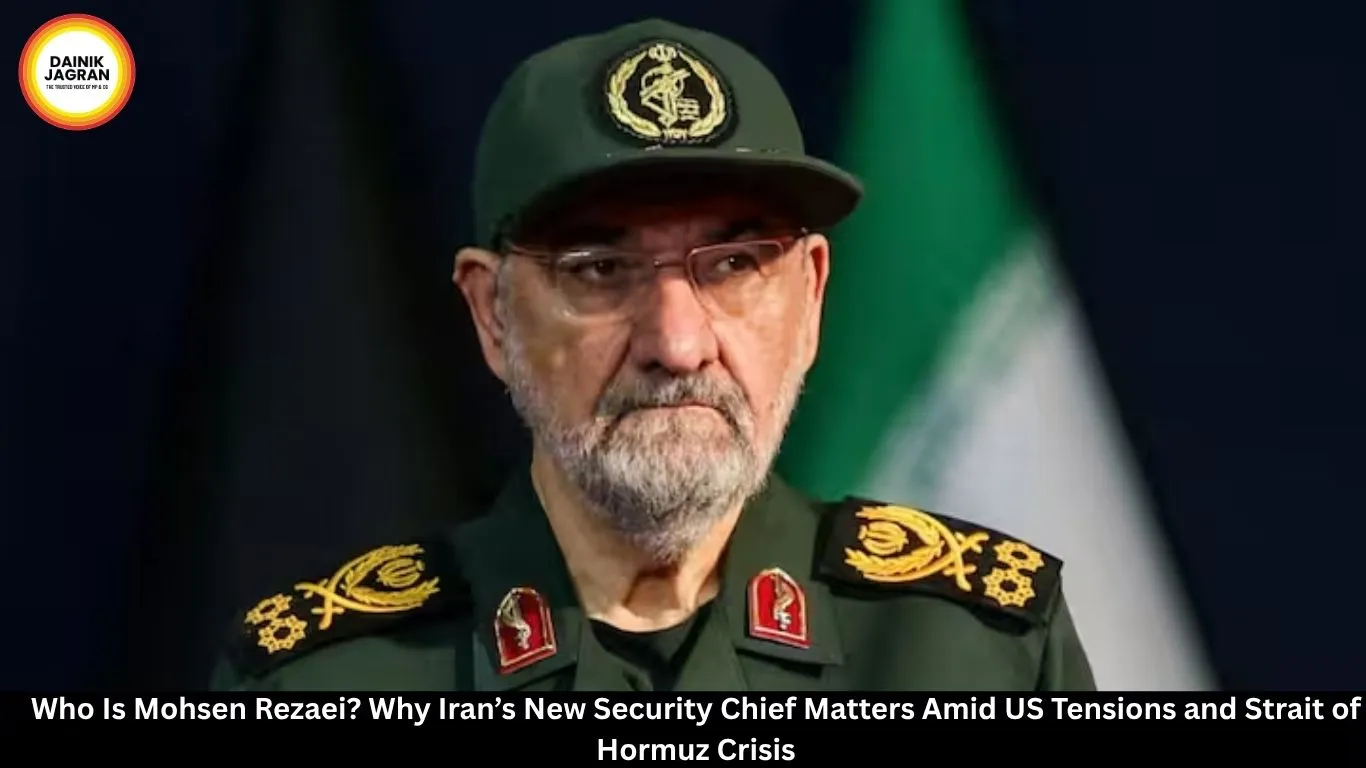
Iran has appointed veteran Islamic Revolutionary Guard Corps (IRGC) commander Mohsen Rezaei as the new secretary of the Supreme National Security Council (SNSC), placing one of the country's most experienced military figures at the centre of its national security decision-making.

The appointment comes at a particularly sensitive moment for Tehran, with tensions involving the United States and Israel continuing and the Strait of Hormuz remaining a major point of contention. Rezaei has also been appointed as Supreme Leader Mojtaba Khamenei's representative on the council, underlining the importance of his new position. (Reuters)

Rezaei, 71, replaces Mohammad Bagher Zolghadr, who held the SNSC secretary post for only a few months. Zolghadr has been moved to the position of political adviser to the Supreme Leader. The reshuffle has drawn attention because of Rezaei's long military career and his reputation as a hardline figure in Iran's political establishment. (Reuters)

Also Read... Yemen Backs India After Houthi Attack Sinks Indian Cargo Vessel in Red Sea

A Veteran of Iran's Military

Born in Khuzestan in 1954, Rezaei became involved in Islamist opposition groups before the 1979 Iranian Revolution. He later joined the newly established IRGC and, at just 27, was appointed commander of the force in 1981.

Also Read... Trump Says US-Iran War Must End Soon as Middle East Tensions Continue

He remained in charge of the IRGC for about 16 years, including through most of the 1980-1988 Iran-Iraq War. During his tenure, the IRGC developed from a revolutionary paramilitary organisation into a major military institution with ground, naval and aerospace capabilities.

Also Read... Mojtaba Khamenei Health: Who Could Replace Iran’s Supreme Leader?

His wartime record remains a major part of his political identity. Rezaei was associated with Iran's decision to continue military operations after Iranian forces had pushed Iraqi troops back across the border in the early stages of the conflict. Reuters describes him as a seasoned hardliner with decades of military and political experience. (Reuters)

From General to Political Figure

After leaving the IRGC command in 1997, Rezaei moved into senior political and institutional positions.

He served for years as secretary of Iran's Expediency Discernment Council, a powerful body involved in resolving disputes between parliament and the Guardian Council. He later became vice president for economic affairs under President Ebrahim Raisi.

Rezaei has also contested Iran's presidential elections several times, although he never won the presidency. His long career has given him experience across both Iran's military and political establishments.

Why His Appointment Matters

The SNSC is one of Iran's most important national security bodies. It brings together senior political, military and security officials and plays a central role in decisions concerning defence, foreign policy and major strategic issues.

Rezaei's appointment therefore goes beyond a routine change of personnel. His elevation gives a senior IRGC veteran a prominent role at a time when Tehran is dealing with military pressure, negotiations and disputes over regional security.

The appointment is also significant because Supreme Leader Mojtaba Khamenei separately named Rezaei as his representative on the council. Reuters reported that the move reflects Rezaei's extensive military and security experience. (Reuters)

Strait of Hormuz in Focus

One of the most important issues facing Rezaei is the future of the Strait of Hormuz, the narrow waterway connecting the Persian Gulf with the Gulf of Oman.

The route is critical to global energy markets because a substantial share of internationally traded oil passes through the region. Any prolonged disruption could therefore have consequences far beyond Iran and the Gulf.

Rezaei has previously taken a strong position on Iranian control over the waterway. His appointment comes while Tehran and Washington remain divided over sanctions, military deployments and arrangements for commercial shipping.

Reuters reported that talks mediated by Oman have been aimed at reopening the waterway, but major disagreements remain between Iran and the United States. (Reuters)

A Harder Line From Tehran?

The appointment has prompted questions over whether Iran is preparing for a tougher security and negotiating posture.

Rezaei has a long record of opposing concessions that he believes could weaken Iran's strategic position. His military background could make him an influential voice in discussions involving the United States, Israel, Gulf states and Iran's regional security interests.

However, his appointment alone does not necessarily establish a completely new Iranian policy. Reuters noted that no official explanation was immediately given for the leadership change or any specific policy shift resulting from it. (Reuters)

What Comes Next

Rezaei's immediate challenge will be to balance Iran's military priorities with diplomatic efforts aimed at reducing tensions.

For Tehran, the issues are closely connected: the future of the Strait of Hormuz, US sanctions, regional military deployments and negotiations over security arrangements all affect Iran's broader strategy.

His appointment indicates that military experience will have an important place in that strategy. Whether Rezaei becomes the face of a tougher Iranian position or helps consolidate a more coordinated approach between the country's political and military leadership will become clearer as negotiations and regional tensions develop.
 

english.dainikjagranmpcg.com
11 Aug 2026 By Abhishek Joshi

Who Is Mohsen Rezaei? Why Iran's New Security Chief Matters

Digital desk

Iran has appointed veteran Islamic Revolutionary Guard Corps (IRGC) commander Mohsen Rezaei as the new secretary of the Supreme National Security Council (SNSC), placing one of the country's most experienced military figures at the centre of its national security decision-making.

The appointment comes at a particularly sensitive moment for Tehran, with tensions involving the United States and Israel continuing and the Strait of Hormuz remaining a major point of contention. Rezaei has also been appointed as Supreme Leader Mojtaba Khamenei's representative on the council, underlining the importance of his new position. (Reuters)

Rezaei, 71, replaces Mohammad Bagher Zolghadr, who held the SNSC secretary post for only a few months. Zolghadr has been moved to the position of political adviser to the Supreme Leader. The reshuffle has drawn attention because of Rezaei's long military career and his reputation as a hardline figure in Iran's political establishment. (Reuters)

A Veteran of Iran's Military

Born in Khuzestan in 1954, Rezaei became involved in Islamist opposition groups before the 1979 Iranian Revolution. He later joined the newly established IRGC and, at just 27, was appointed commander of the force in 1981.

He remained in charge of the IRGC for about 16 years, including through most of the 1980-1988 Iran-Iraq War. During his tenure, the IRGC developed from a revolutionary paramilitary organisation into a major military institution with ground, naval and aerospace capabilities.

His wartime record remains a major part of his political identity. Rezaei was associated with Iran's decision to continue military operations after Iranian forces had pushed Iraqi troops back across the border in the early stages of the conflict. Reuters describes him as a seasoned hardliner with decades of military and political experience. (Reuters)

From General to Political Figure

After leaving the IRGC command in 1997, Rezaei moved into senior political and institutional positions.

He served for years as secretary of Iran's Expediency Discernment Council, a powerful body involved in resolving disputes between parliament and the Guardian Council. He later became vice president for economic affairs under President Ebrahim Raisi.

Rezaei has also contested Iran's presidential elections several times, although he never won the presidency. His long career has given him experience across both Iran's military and political establishments.

Why His Appointment Matters

The SNSC is one of Iran's most important national security bodies. It brings together senior political, military and security officials and plays a central role in decisions concerning defence, foreign policy and major strategic issues.

Rezaei's appointment therefore goes beyond a routine change of personnel. His elevation gives a senior IRGC veteran a prominent role at a time when Tehran is dealing with military pressure, negotiations and disputes over regional security.

The appointment is also significant because Supreme Leader Mojtaba Khamenei separately named Rezaei as his representative on the council. Reuters reported that the move reflects Rezaei's extensive military and security experience. (Reuters)

Strait of Hormuz in Focus

One of the most important issues facing Rezaei is the future of the Strait of Hormuz, the narrow waterway connecting the Persian Gulf with the Gulf of Oman.

The route is critical to global energy markets because a substantial share of internationally traded oil passes through the region. Any prolonged disruption could therefore have consequences far beyond Iran and the Gulf.

Rezaei has previously taken a strong position on Iranian control over the waterway. His appointment comes while Tehran and Washington remain divided over sanctions, military deployments and arrangements for commercial shipping.

Reuters reported that talks mediated by Oman have been aimed at reopening the waterway, but major disagreements remain between Iran and the United States. (Reuters)

A Harder Line From Tehran?

The appointment has prompted questions over whether Iran is preparing for a tougher security and negotiating posture.

Rezaei has a long record of opposing concessions that he believes could weaken Iran's strategic position. His military background could make him an influential voice in discussions involving the United States, Israel, Gulf states and Iran's regional security interests.

However, his appointment alone does not necessarily establish a completely new Iranian policy. Reuters noted that no official explanation was immediately given for the leadership change or any specific policy shift resulting from it. (Reuters)

What Comes Next

Rezaei's immediate challenge will be to balance Iran's military priorities with diplomatic efforts aimed at reducing tensions.

For Tehran, the issues are closely connected: the future of the Strait of Hormuz, US sanctions, regional military deployments and negotiations over security arrangements all affect Iran's broader strategy.

His appointment indicates that military experience will have an important place in that strategy. Whether Rezaei becomes the face of a tougher Iranian position or helps consolidate a more coordinated approach between the country's political and military leadership will become clearer as negotiations and regional tensions develop.
 

https://english.dainikjagranmpcg.com/international/who-is-mohsen-rezaei-why-irans-new-security-chief-matters/article-25626

--------

🚨 Beat the News Rush – Join Now!

Get breaking alerts, hot exclusives, and game-changing stories instantly on your phone. No delays, no fluff – just the edge you need. ⚡

Tap to join: 

🟢 WhatsApp Channel: Dainik Jagran MP CG

Crave more?

🅕 Facebook: Dainik Jagran MP CG English

🅧 Twitter (X): Dainik Jagran MP CG

🅘 Instagram: Dainik Jagran MP CG

Share the fire – keep your crew ahead! 🗞️🔥

Trending News