Mojtaba Khamenei Health: Who Could Replace Iran’s Supreme Leader?
Digital desk
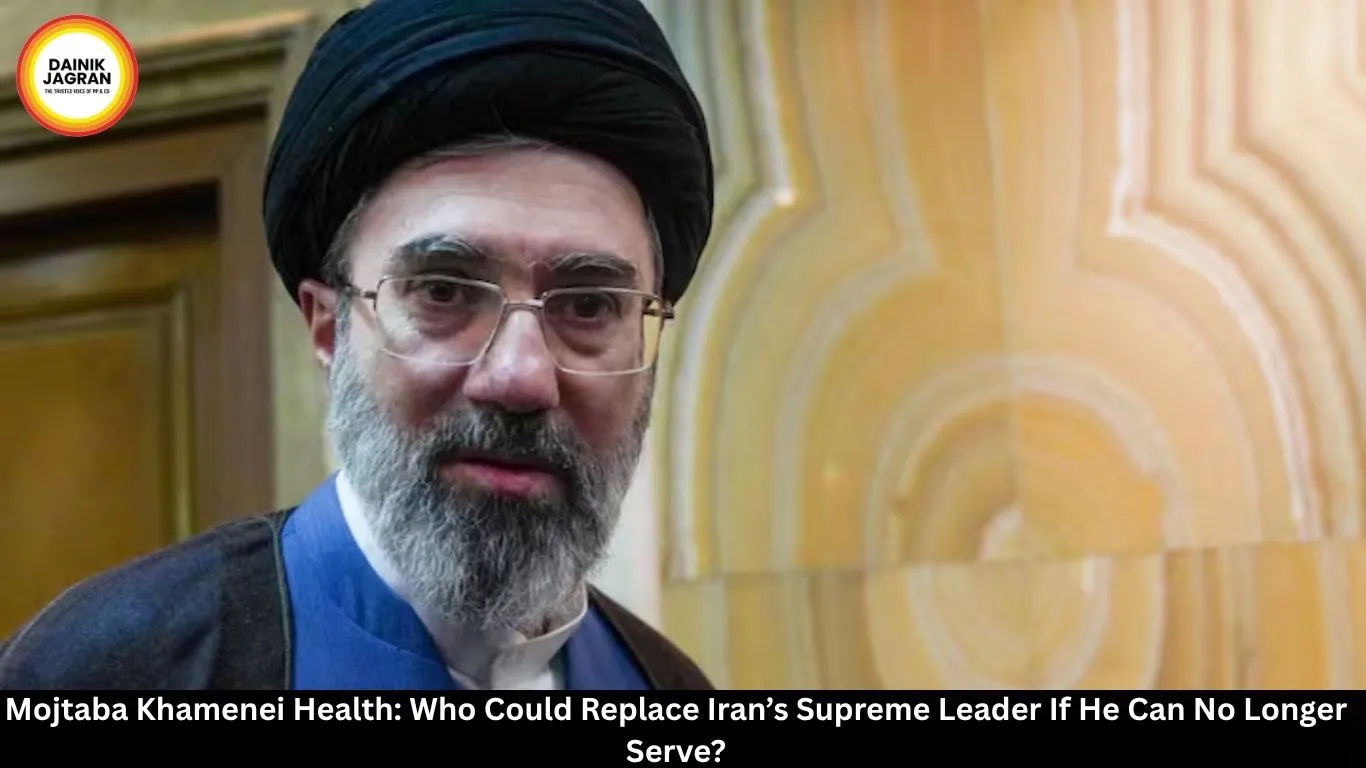
Unverified reports about Mojtaba Khamenei’s health have renewed questions about Iran’s succession process, Article 111 and possible contenders for Supreme Leader.
Unverified reports about the health of Iran’s Supreme Leader Mojtaba Khamenei have renewed attention on the country’s constitutional succession process and the possible contenders for the powerful post.
An Israeli broadcaster, Channel 14, has claimed that Khamenei is in an “extremely critical” condition. However, there has been no official confirmation from Tehran regarding his reported health condition.
The speculation intensified after Khamenei remained largely out of public view following his reported succession to his father, Ayatollah Ali Khamenei. On Saturday, August 8, Iran’s semi-official Mehr News Agency released an undated video purportedly showing Mojtaba Khamenei. However, it remains unclear when the footage was recorded, and the circumstances surrounding it could not be independently verified.
What Happens If Leader Cannot Serve?
Iran’s Constitution provides a mechanism for dealing with a vacancy or temporary inability of the Supreme Leader to perform his duties.
Under Article 111, if the Supreme Leader dies, resigns, is removed from office or is temporarily unable to carry out his responsibilities, a three-member Interim Leadership Council assumes his duties until a permanent successor is selected.
The council consists of the President of Iran, the head of the judiciary and a religious jurist from the Guardian Council, selected according to the constitutional procedure.
The interim arrangement is intended to ensure that the powers of the Supreme Leader continue to be exercised while the succession process is completed.
Assembly of Experts Chooses Successor
The authority to select Iran’s Supreme Leader rests with the 88-member Assembly of Experts.
If the office becomes vacant, the Assembly is constitutionally responsible for selecting a new leader. The Supreme Leader holds extensive authority over Iran’s military and security institutions, judiciary, foreign policy and other major state bodies.
A leadership transition would therefore have major implications for Iran’s domestic politics as well as its relations with the United States, Israel and other regional powers.
Alireza Arafi Among Possible Names
Several senior clerics and political figures have previously been discussed as potential candidates for the country's top position.
Ayatollah Alireza Arafi is one of the names that has attracted attention. A senior cleric and prominent figure in Iran’s religious establishment, Arafi has served on the Guardian Council and was also part of the interim leadership arrangement following Ali Khamenei’s death.
His links to Iran’s seminary establishment could make him a significant figure in any succession debate.
Hosseini Bushehri Also in Focus
Another senior cleric frequently mentioned in discussions surrounding Iran’s future leadership is Ayatollah Hashem Hosseini Bushehri.
He has strong connections with Iran’s religious establishment in Qom and has held senior positions within the Assembly of Experts.
His experience within Iran’s clerical institutions could place him among the figures considered if the Assembly is required to choose a new Supreme Leader.
Mohseni-Ejei Represents Hardline Camp
Gholam-Hossein Mohseni-Ejei, Iran’s judiciary chief, is another prominent figure who has been mentioned as a possible contender.
Mohseni-Ejei has spent decades working within Iran’s judiciary and security establishment and is regarded as a hardline figure within the Islamic Republic.
His extensive experience in the state’s security and judicial structures could make him an influential player during any leadership transition.
Hassan Khomeini Another Possibility
Hassan Khomeini, grandson of Islamic Republic founder Ayatollah Ruhollah Khomeini, has also appeared in discussions about a possible future succession.
However, his political positioning differs from that of several hardline figures associated with Iran’s current establishment. His potential candidacy would therefore depend heavily on the political balance within the Assembly of Experts and other centres of power.
Could Collective Leadership Emerge?
Iran’s constitutional framework also allows for the possibility of a collective leadership arrangement under certain circumstances.
If the Assembly of Experts cannot agree on an individual successor, a leadership council could potentially emerge as an alternative. Such an arrangement would represent a major departure from Iran’s traditional system, in which a single Supreme Leader occupies the country’s highest political and religious office.
Whether such an option would gain support would depend on the political circumstances surrounding any leadership transition.
IRGC Could Gain Greater Influence
Any sudden leadership vacuum could also increase the political influence of the Islamic Revolutionary Guard Corps (IRGC).
The IRGC is one of Iran’s most powerful institutions, with extensive influence over the country’s military, security and economic affairs. During a period of uncertainty, the organisation could play an important role in shaping the succession process and supporting a candidate viewed as acceptable to the security establishment.
However, the precise role of the IRGC would depend on the circumstances of the transition and the balance of power among Iran’s clerical, political and security institutions.
For now, the reports about Mojtaba Khamenei’s health remain unverified, and no official announcement has indicated that Iran has begun a formal succession process.

Mojtaba Khamenei Health: Who Could Replace Iran’s Supreme Leader?
Digital desk
Unverified reports about the health of Iran’s Supreme Leader Mojtaba Khamenei have renewed attention on the country’s constitutional succession process and the possible contenders for the powerful post.
An Israeli broadcaster, Channel 14, has claimed that Khamenei is in an “extremely critical” condition. However, there has been no official confirmation from Tehran regarding his reported health condition.
The speculation intensified after Khamenei remained largely out of public view following his reported succession to his father, Ayatollah Ali Khamenei. On Saturday, August 8, Iran’s semi-official Mehr News Agency released an undated video purportedly showing Mojtaba Khamenei. However, it remains unclear when the footage was recorded, and the circumstances surrounding it could not be independently verified.
What Happens If Leader Cannot Serve?
Iran’s Constitution provides a mechanism for dealing with a vacancy or temporary inability of the Supreme Leader to perform his duties.
Under Article 111, if the Supreme Leader dies, resigns, is removed from office or is temporarily unable to carry out his responsibilities, a three-member Interim Leadership Council assumes his duties until a permanent successor is selected.
The council consists of the President of Iran, the head of the judiciary and a religious jurist from the Guardian Council, selected according to the constitutional procedure.
The interim arrangement is intended to ensure that the powers of the Supreme Leader continue to be exercised while the succession process is completed.
Assembly of Experts Chooses Successor
The authority to select Iran’s Supreme Leader rests with the 88-member Assembly of Experts.
If the office becomes vacant, the Assembly is constitutionally responsible for selecting a new leader. The Supreme Leader holds extensive authority over Iran’s military and security institutions, judiciary, foreign policy and other major state bodies.
A leadership transition would therefore have major implications for Iran’s domestic politics as well as its relations with the United States, Israel and other regional powers.
Alireza Arafi Among Possible Names
Several senior clerics and political figures have previously been discussed as potential candidates for the country's top position.
Ayatollah Alireza Arafi is one of the names that has attracted attention. A senior cleric and prominent figure in Iran’s religious establishment, Arafi has served on the Guardian Council and was also part of the interim leadership arrangement following Ali Khamenei’s death.
His links to Iran’s seminary establishment could make him a significant figure in any succession debate.
Hosseini Bushehri Also in Focus
Another senior cleric frequently mentioned in discussions surrounding Iran’s future leadership is Ayatollah Hashem Hosseini Bushehri.
He has strong connections with Iran’s religious establishment in Qom and has held senior positions within the Assembly of Experts.
His experience within Iran’s clerical institutions could place him among the figures considered if the Assembly is required to choose a new Supreme Leader.
Mohseni-Ejei Represents Hardline Camp
Gholam-Hossein Mohseni-Ejei, Iran’s judiciary chief, is another prominent figure who has been mentioned as a possible contender.
Mohseni-Ejei has spent decades working within Iran’s judiciary and security establishment and is regarded as a hardline figure within the Islamic Republic.
His extensive experience in the state’s security and judicial structures could make him an influential player during any leadership transition.
Hassan Khomeini Another Possibility
Hassan Khomeini, grandson of Islamic Republic founder Ayatollah Ruhollah Khomeini, has also appeared in discussions about a possible future succession.
However, his political positioning differs from that of several hardline figures associated with Iran’s current establishment. His potential candidacy would therefore depend heavily on the political balance within the Assembly of Experts and other centres of power.
Could Collective Leadership Emerge?
Iran’s constitutional framework also allows for the possibility of a collective leadership arrangement under certain circumstances.
If the Assembly of Experts cannot agree on an individual successor, a leadership council could potentially emerge as an alternative. Such an arrangement would represent a major departure from Iran’s traditional system, in which a single Supreme Leader occupies the country’s highest political and religious office.
Whether such an option would gain support would depend on the political circumstances surrounding any leadership transition.
IRGC Could Gain Greater Influence
Any sudden leadership vacuum could also increase the political influence of the Islamic Revolutionary Guard Corps (IRGC).
The IRGC is one of Iran’s most powerful institutions, with extensive influence over the country’s military, security and economic affairs. During a period of uncertainty, the organisation could play an important role in shaping the succession process and supporting a candidate viewed as acceptable to the security establishment.
However, the precise role of the IRGC would depend on the circumstances of the transition and the balance of power among Iran’s clerical, political and security institutions.
For now, the reports about Mojtaba Khamenei’s health remain unverified, and no official announcement has indicated that Iran has begun a formal succession process.
Recommended For You
--------
🚨 Beat the News Rush – Join Now!
Get breaking alerts, hot exclusives, and game-changing stories instantly on your phone. No delays, no fluff – just the edge you need. ⚡
Tap to join:
🟢 WhatsApp Channel: Dainik Jagran MP CG
Crave more?
🅕 Facebook: Dainik Jagran MP CG English
🅧 Twitter (X): Dainik Jagran MP CG
🅘 Instagram: Dainik Jagran MP CG
Share the fire – keep your crew ahead! 🗞️🔥