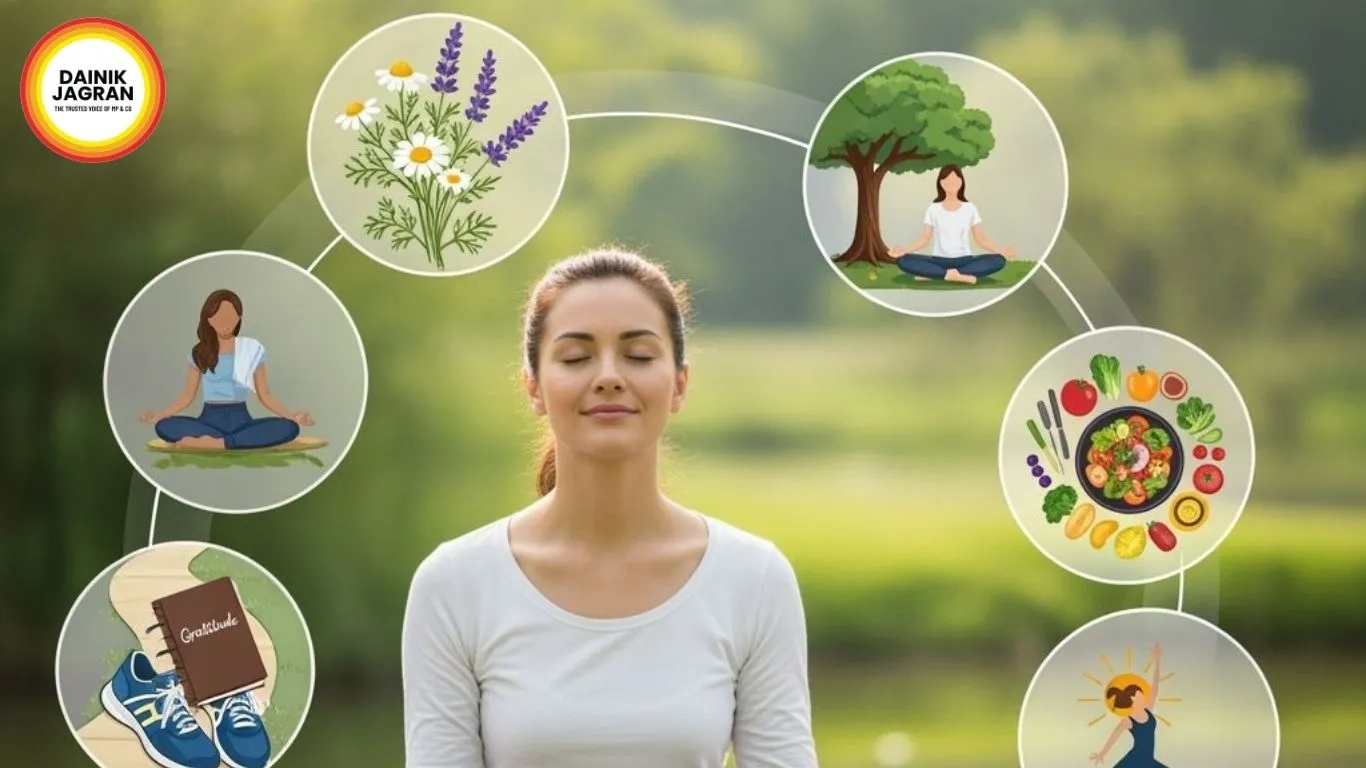
Stress Relief Naturally: Yoga and Ayurveda Tips for Mental Wellness
Digital Desk
Manage stress naturally with yoga and Ayurveda. Studies show workplace yoga can reduce stress by 25% and improve work-life balance. Learn simple techniques for mental wellness.
In an era of relentless work pressure and digital overwhelm, stress has become a silent epidemic affecting millions of Indians. Traditional Indian practices such as yoga and Ayurveda are now being scientifically validated as holistic methods for stress management and overall health. Recent studies demonstrate that workplace yoga programmes can reduce stress by 25 percent and enhance work-life balance by 15 percent, all while increasing productivity and job satisfaction.
According to health experts, practising yoga for even 30 to 45 minutes a day can significantly improve overall well-being. Yoga helps individuals cope with work pressure and anxiety while enhancing mental strength, self-confidence, patience, and positive thinking. The practice combines physical postures with breathing techniques that activate the parasympathetic nervous system, promoting relaxation and reducing cortisol levels.
Ayurveda provides comprehensive methods for stress management through daily routines and dietary practices. Drinking warm water helps rehydrate the system and gently activates digestion. A short walk helps stabilise the nervous system. Going to bed at a consistent time, dimming lights an hour earlier, and reducing screen exposure help calm the nervous system naturally.
The Ministry of Ayush, in its public health advisory, specifically recommends breathing techniques such as Sheetali Pranayama for maintaining thermal comfort and reducing heat stress. This cooling breath technique involves curling the tongue and inhaling through the mouth, which has an immediate calming effect on the mind and body. Gentle yoga practices are also advised for maintaining mental equilibrium during stressful periods.
Ranchi residents are increasingly embracing alternative healing like Ayurveda, Reiki, and magnetotherapy for lifestyle diseases and stress. Young professionals and families are exploring these non-invasive therapies, seeking root-cause solutions for conditions ranging from anxiety to chronic pain. This shift indicates a growing preference for holistic, natural approaches over pharmaceutical interventions.
Ayurveda considers the time between 10 PM and 2 AM as Pitta Time, when the body's digestive fire is most active. Going to bed before 10 PM allows the body to properly metabolise and repair, reducing stress and improving sleep quality. Calming routines like Abhyanga (oil massage), meditation, and pranayama before bed further improve sleep quality and reduce stress.
As mental health awareness grows across India, corporate wellness programmes are increasingly incorporating yoga and Ayurvedic practices. Health experts predict that traditional stress management techniques will become integral to workplace wellness policies. The combination of ancient wisdom and modern science offers a sustainable path to mental wellness in an increasingly stressful world.

--------
🚨 Beat the News Rush – Join Now!
Get breaking alerts, hot exclusives, and game-changing stories instantly on your phone. No delays, no fluff – just the edge you need. ⚡
Tap to join:
🟢 WhatsApp Channel: Dainik Jagran MP CG
Crave more?
🅕 Facebook: Dainik Jagran MP CG English
🅧 Twitter (X): Dainik Jagran MP CG
🅘 Instagram: Dainik Jagran MP CG
Share the fire – keep your crew ahead! 🗞️🔥
Stress Relief Naturally: Yoga and Ayurveda Tips for Mental Wellness
Digital Desk
In an era of relentless work pressure and digital overwhelm, stress has become a silent epidemic affecting millions of Indians. Traditional Indian practices such as yoga and Ayurveda are now being scientifically validated as holistic methods for stress management and overall health. Recent studies demonstrate that workplace yoga programmes can reduce stress by 25 percent and enhance work-life balance by 15 percent, all while increasing productivity and job satisfaction.
According to health experts, practising yoga for even 30 to 45 minutes a day can significantly improve overall well-being. Yoga helps individuals cope with work pressure and anxiety while enhancing mental strength, self-confidence, patience, and positive thinking. The practice combines physical postures with breathing techniques that activate the parasympathetic nervous system, promoting relaxation and reducing cortisol levels.
Ayurveda provides comprehensive methods for stress management through daily routines and dietary practices. Drinking warm water helps rehydrate the system and gently activates digestion. A short walk helps stabilise the nervous system. Going to bed at a consistent time, dimming lights an hour earlier, and reducing screen exposure help calm the nervous system naturally.
The Ministry of Ayush, in its public health advisory, specifically recommends breathing techniques such as Sheetali Pranayama for maintaining thermal comfort and reducing heat stress. This cooling breath technique involves curling the tongue and inhaling through the mouth, which has an immediate calming effect on the mind and body. Gentle yoga practices are also advised for maintaining mental equilibrium during stressful periods.
Ranchi residents are increasingly embracing alternative healing like Ayurveda, Reiki, and magnetotherapy for lifestyle diseases and stress. Young professionals and families are exploring these non-invasive therapies, seeking root-cause solutions for conditions ranging from anxiety to chronic pain. This shift indicates a growing preference for holistic, natural approaches over pharmaceutical interventions.
Ayurveda considers the time between 10 PM and 2 AM as Pitta Time, when the body's digestive fire is most active. Going to bed before 10 PM allows the body to properly metabolise and repair, reducing stress and improving sleep quality. Calming routines like Abhyanga (oil massage), meditation, and pranayama before bed further improve sleep quality and reduce stress.
As mental health awareness grows across India, corporate wellness programmes are increasingly incorporating yoga and Ayurvedic practices. Health experts predict that traditional stress management techniques will become integral to workplace wellness policies. The combination of ancient wisdom and modern science offers a sustainable path to mental wellness in an increasingly stressful world.