Air India Phuket-Delhi Flight: Why Did the Aircraft Plunge 300 Feet?

Digital desk

Air India Phuket-Delhi Flight: Why Did the Aircraft Plunge 300 Feet?

Air India flight AI2379 lost around 300 feet in altitude on August 4. Reports point to triple hydraulic failures and an autopilot disconnect as the probe continues.

The investigation into the Air India Phuket-Delhi flight that suddenly lost around 300 feet of altitude on August 4 has shifted attention from initial speculation about turbulence and the pilot's drug test to a possible chain of technical failures involving the aircraft's hydraulic and flight-control systems.

Air India flight AI2379, an Airbus A320 carrying 137 passengers and crew, was flying towards New Delhi when the sudden altitude change occurred roughly two-and-a-half hours after departure from Phuket. The incident left 17 people injured and prompted a formal investigation by the Aircraft Accident Investigation Bureau (AAIB).

While the exact cause remains under investigation, reports citing sources familiar with the probe have pointed to triple hydraulic-system failures, an autopilot disconnect and other temporary system indications on board the aircraft.

Also Read... Air India Phuket-Delhi Flight Loses 300 Feet After Stall Warning, Hydraulic Faults Under Probe

What Happened Mid-Flight?

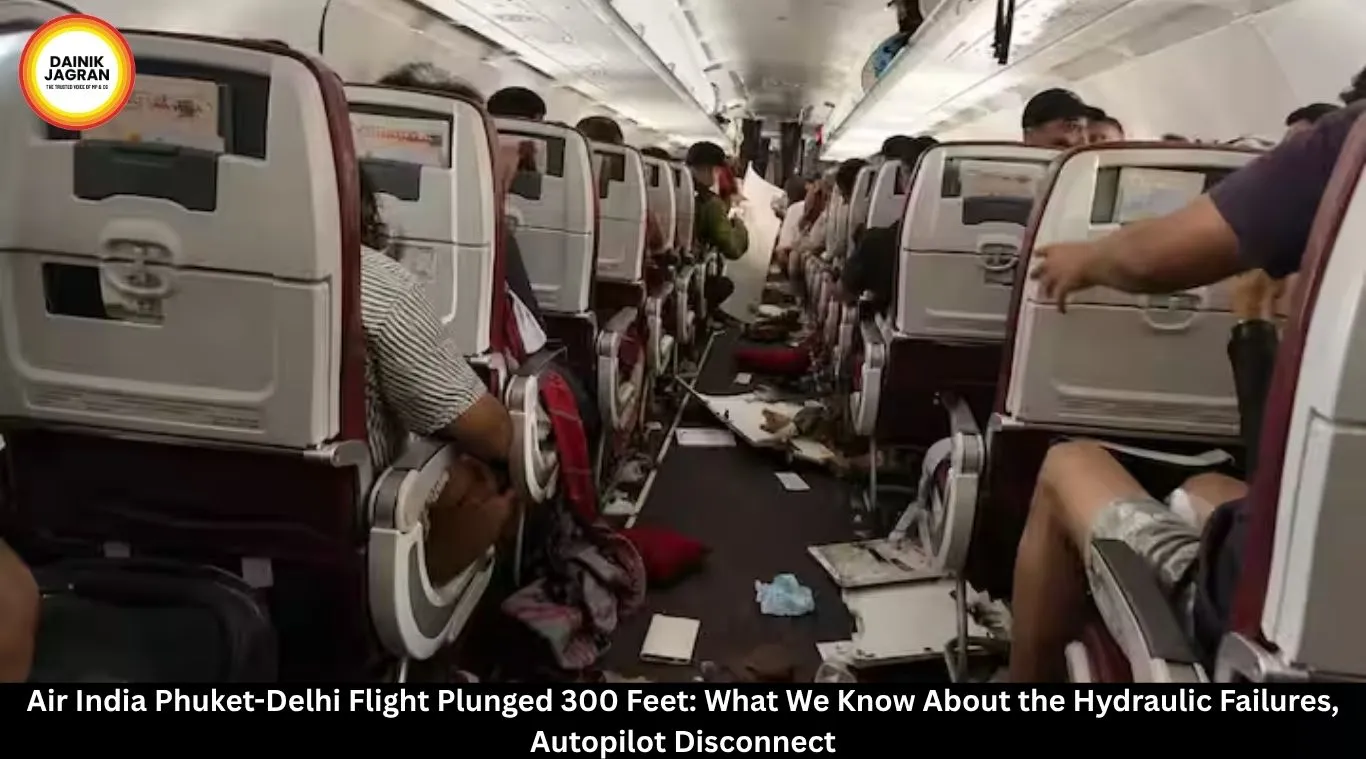
The aircraft had reportedly been flying normally before the sudden incident. Passengers described an abrupt disturbance followed by intense shaking and a rapid drop in altitude.

Also Read... Air India Phuket-Delhi Pilot Accused of Leaving Cockpit, Asking for Lighter

Some passengers reported that cabin baggage and other objects were thrown around during the episode. Crew members instructed passengers to fasten their seatbelts as the aircraft experienced the sudden change.

Also Read... 2 More Air India Pilots Fail Preliminary Drug Tests After Phuket-Delhi Incident

The aircraft subsequently continued its journey and landed in Delhi, where injured passengers and crew members received medical attention.

The AAIB is investigating the sequence of events under the applicable international aviation investigation framework.

Focus Turns to Hydraulic Systems

One of the most significant developments in the investigation is the reported failure of all three hydraulic systems.

Aircraft hydraulic systems use pressurised fluid to operate and assist several critical components, including flight-control surfaces and other mechanical systems. Modern commercial aircraft are designed with multiple levels of redundancy, making a simultaneous failure of all three hydraulic systems an unusual event.

According to reports citing aviation sources, the cockpit crew responded to the problem by manually controlling the aircraft and temporarily changing its flight path or altitude.

The reported 300-foot descent may therefore have been part of the crew's response to the technical problem rather than an uncontrolled plunge.

Why Did the Aircraft Lose Altitude?

The precise sequence remains unclear.

Reports indicate that the aircraft's autopilot disconnected during the incident, requiring the co-pilot to regain manual control. Several cockpit indicators or switches were also reportedly observed to change temporarily.

If confirmed by investigators, the combination of hydraulic-system problems and an autopilot disconnect could help explain why the aircraft experienced a sudden change in altitude.

However, investigators will need to establish whether the hydraulic failures occurred simultaneously, whether one system failure triggered another and how the aircraft's flight-control systems responded.

What About the Pilot's Drug Test?

The pilot's initial psychoactive-substance screening has also attracted attention.

The Civil Aviation Ministry said the initial screening produced a result that required further analysis and that a confirmatory test was being conducted. The final result had not been established at the time of the reports provided.

The Airline Pilots Association of India has also pointed out that some commonly used medicines can potentially affect preliminary screening results.

Therefore, the initial "non-negative" screening should not be treated as proof that the pilot was intoxicated or that it caused the altitude loss.

Investigators will have to consider the confirmatory test alongside cockpit recordings, aircraft data and other evidence.

Turbulence Theory Also Under Review

Turbulence was initially cited in Air India's description of the incident. However, subsequent statements reportedly did not place the same emphasis on turbulence.

This has raised questions about whether turbulence was actually responsible for the altitude loss or whether the aircraft's technical problems played the central role.

Only the formal investigation can establish whether turbulence, a technical malfunction or a combination of factors contributed to the event.

Airbus Joins the Investigation

Aircraft manufacturer Airbus is assisting the investigation.

The company has said it is providing technical assistance to the relevant authorities in accordance with ICAO Annex 13 and is sending specialists to support the probe.

Investigators are expected to examine the aircraft's flight-data recorder, cockpit voice recorder, maintenance records and relevant system data. These sources should help establish exactly what happened inside the aircraft during the critical seconds.

The investigation will also examine whether the reported hydraulic failures occurred before or after the altitude change and how the cockpit crew responded.

What Happens Next?

At this stage, several explanations remain possible, but none has been conclusively established.

The investigation will need to determine the relationship between the reported triple hydraulic failure, autopilot disconnect, cockpit indications, the aircraft's 300-foot altitude change and the injuries sustained inside the cabin.

The pilot's confirmatory test will also be important in determining whether the preliminary screening has any relevance to the incident.

Until the AAIB completes its investigation, claims that the aircraft plunged because of pilot intoxication or turbulence remain unproven.

For passengers, however, the incident has once again highlighted the importance of keeping seatbelts fastened throughout a flight, including when the aircraft appears to be flying normally.

 

english.dainikjagranmpcg.com
11 Aug 2026 By Abhishek Joshi

Air India Phuket-Delhi Flight: Why Did the Aircraft Plunge 300 Feet?

Digital desk

The investigation into the Air India Phuket-Delhi flight that suddenly lost around 300 feet of altitude on August 4 has shifted attention from initial speculation about turbulence and the pilot's drug test to a possible chain of technical failures involving the aircraft's hydraulic and flight-control systems.

Air India flight AI2379, an Airbus A320 carrying 137 passengers and crew, was flying towards New Delhi when the sudden altitude change occurred roughly two-and-a-half hours after departure from Phuket. The incident left 17 people injured and prompted a formal investigation by the Aircraft Accident Investigation Bureau (AAIB).

While the exact cause remains under investigation, reports citing sources familiar with the probe have pointed to triple hydraulic-system failures, an autopilot disconnect and other temporary system indications on board the aircraft.

What Happened Mid-Flight?

The aircraft had reportedly been flying normally before the sudden incident. Passengers described an abrupt disturbance followed by intense shaking and a rapid drop in altitude.

Some passengers reported that cabin baggage and other objects were thrown around during the episode. Crew members instructed passengers to fasten their seatbelts as the aircraft experienced the sudden change.

The aircraft subsequently continued its journey and landed in Delhi, where injured passengers and crew members received medical attention.

The AAIB is investigating the sequence of events under the applicable international aviation investigation framework.

Focus Turns to Hydraulic Systems

One of the most significant developments in the investigation is the reported failure of all three hydraulic systems.

Aircraft hydraulic systems use pressurised fluid to operate and assist several critical components, including flight-control surfaces and other mechanical systems. Modern commercial aircraft are designed with multiple levels of redundancy, making a simultaneous failure of all three hydraulic systems an unusual event.

According to reports citing aviation sources, the cockpit crew responded to the problem by manually controlling the aircraft and temporarily changing its flight path or altitude.

The reported 300-foot descent may therefore have been part of the crew's response to the technical problem rather than an uncontrolled plunge.

Why Did the Aircraft Lose Altitude?

The precise sequence remains unclear.

Reports indicate that the aircraft's autopilot disconnected during the incident, requiring the co-pilot to regain manual control. Several cockpit indicators or switches were also reportedly observed to change temporarily.

If confirmed by investigators, the combination of hydraulic-system problems and an autopilot disconnect could help explain why the aircraft experienced a sudden change in altitude.

However, investigators will need to establish whether the hydraulic failures occurred simultaneously, whether one system failure triggered another and how the aircraft's flight-control systems responded.

What About the Pilot's Drug Test?

The pilot's initial psychoactive-substance screening has also attracted attention.

The Civil Aviation Ministry said the initial screening produced a result that required further analysis and that a confirmatory test was being conducted. The final result had not been established at the time of the reports provided.

The Airline Pilots Association of India has also pointed out that some commonly used medicines can potentially affect preliminary screening results.

Therefore, the initial "non-negative" screening should not be treated as proof that the pilot was intoxicated or that it caused the altitude loss.

Investigators will have to consider the confirmatory test alongside cockpit recordings, aircraft data and other evidence.

Turbulence Theory Also Under Review

Turbulence was initially cited in Air India's description of the incident. However, subsequent statements reportedly did not place the same emphasis on turbulence.

This has raised questions about whether turbulence was actually responsible for the altitude loss or whether the aircraft's technical problems played the central role.

Only the formal investigation can establish whether turbulence, a technical malfunction or a combination of factors contributed to the event.

Airbus Joins the Investigation

Aircraft manufacturer Airbus is assisting the investigation.

The company has said it is providing technical assistance to the relevant authorities in accordance with ICAO Annex 13 and is sending specialists to support the probe.

Investigators are expected to examine the aircraft's flight-data recorder, cockpit voice recorder, maintenance records and relevant system data. These sources should help establish exactly what happened inside the aircraft during the critical seconds.

The investigation will also examine whether the reported hydraulic failures occurred before or after the altitude change and how the cockpit crew responded.

What Happens Next?

At this stage, several explanations remain possible, but none has been conclusively established.

The investigation will need to determine the relationship between the reported triple hydraulic failure, autopilot disconnect, cockpit indications, the aircraft's 300-foot altitude change and the injuries sustained inside the cabin.

The pilot's confirmatory test will also be important in determining whether the preliminary screening has any relevance to the incident.

Until the AAIB completes its investigation, claims that the aircraft plunged because of pilot intoxication or turbulence remain unproven.

For passengers, however, the incident has once again highlighted the importance of keeping seatbelts fastened throughout a flight, including when the aircraft appears to be flying normally.


https://english.dainikjagranmpcg.com/national/air-india-phuket-delhi-flight-why-did-the-aircraft-plunge-300/article-25625

--------

🚨 Beat the News Rush – Join Now!

Get breaking alerts, hot exclusives, and game-changing stories instantly on your phone. No delays, no fluff – just the edge you need. ⚡

Tap to join: 

🟢 WhatsApp Channel: Dainik Jagran MP CG

Crave more?

🅕 Facebook: Dainik Jagran MP CG English

🅧 Twitter (X): Dainik Jagran MP CG

🅘 Instagram: Dainik Jagran MP CG

Share the fire – keep your crew ahead! 🗞️🔥

Trending News