Andy Burnham Messaged Fake Susie Wiles: What We Know About the Report
Digital desk
UK Prime Minister Andy Burnham reportedly exchanged messages with a person posing as Trump chief of staff Susie Wiles, raising fresh security concerns.
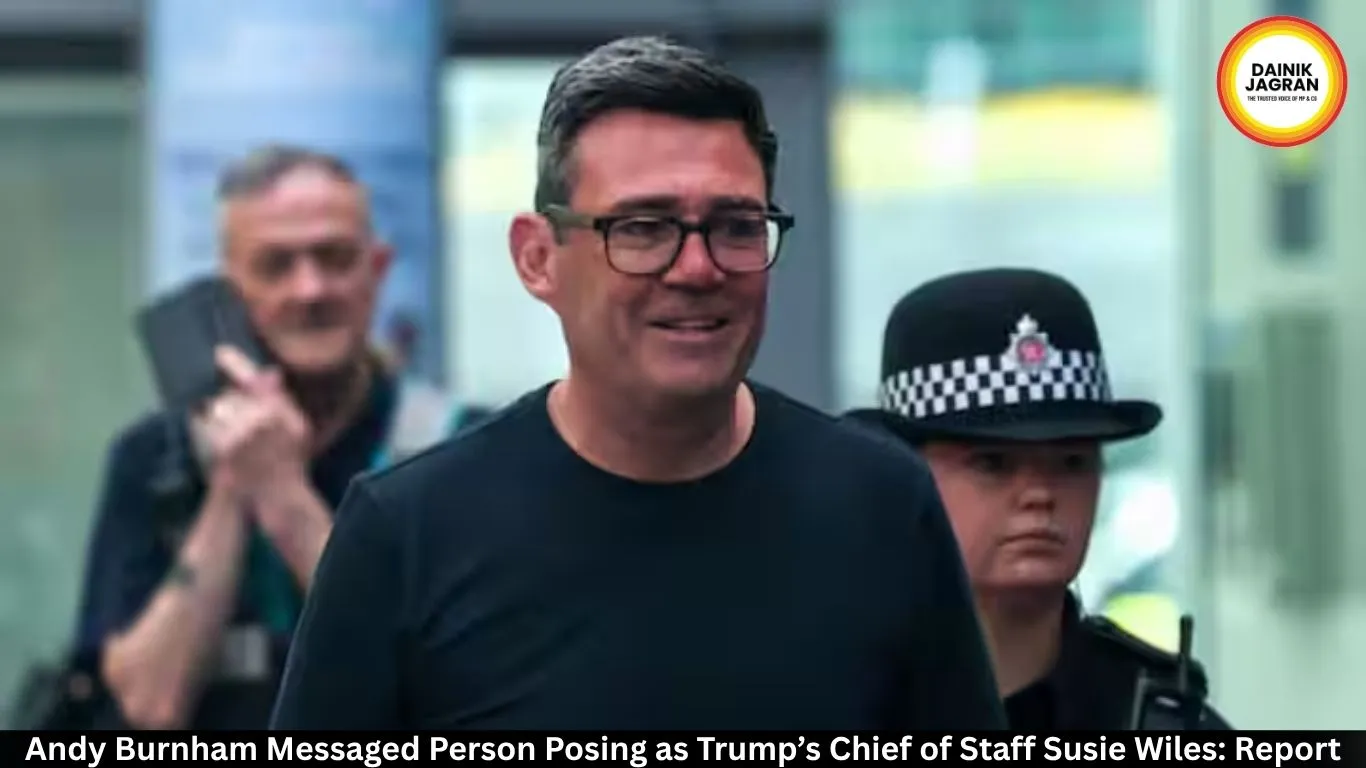
UK Prime Minister Andy Burnham reportedly exchanged messages with a person posing as US President Donald Trump’s chief of staff, Susie Wiles, before becoming suspicious that the contact was not genuine, according to a report by Politico.
The reported incident has raised fresh questions over the security of communications involving senior political figures in Britain and the United States. British officials have reportedly kept details of the exchange closely guarded because of potential national security concerns.
Burnham Received Suspicious Messages
According to the report, Burnham communicated with the person impersonating Wiles after entering Downing Street. Only a small number of messages were reportedly exchanged, although the exact date and content of the communication remain unclear.
One person briefed on the exchange described it as involving only “a few messages” and said they were of “no significance”.
Downing Street has declined to comment specifically on the incident, citing its policy of not discussing national security matters.
The reported contact has nevertheless drawn attention because Burnham had apparently believed he was communicating with a senior US White House official before becoming concerned that the person on the other end was not Wiles.
British Embassy Raised Issue
The incident was reportedly serious enough for the British embassy in Washington to raise the matter with the White House, according to officials cited by Politico.
The episode has also reportedly prompted concerns within the UK government about whether Wiles’ phone or contact information may have been compromised again.
The circumstances have added sensitivity to the case because Wiles had previously been targeted in a separate impersonation incident involving senior American political and business figures.
Earlier Wiles Impersonation Case
In 2025, US authorities investigated an effort in which someone allegedly posed as Wiles and contacted senators, governors, senior business executives and other influential individuals.
The Wall Street Journal reported in May 2025 that federal authorities were examining who was behind the impersonation and what the motive may have been.
At the time, FBI officials reportedly told the White House that they did not believe a foreign government was responsible.
Wiles had also reportedly informed associates that contacts stored on her cellphone had been compromised. The device was said to be her personal phone rather than her official government handset.
How Impersonator Contacted Officials
According to reports from the earlier investigation, the impersonator used compromised contacts to approach people who would normally have been able to communicate directly with Wiles.
Some recipients reportedly became suspicious after noticing differences in the messages.
The communication style allegedly differed from Wiles’ usual manner, with unusual grammar and more formal wording. The messages were also reportedly sent from numbers that did not match Wiles’ actual phone number.
In at least one reported case, the impersonator allegedly asked the recipient to transfer money.
The person also reportedly asked questions about President Trump that Wiles, as a senior White House official, would normally have been expected to know.
Why the Burnham Case Matters
The reported communication with Burnham gives the earlier impersonation controversy an international dimension.
It remains unclear whether the person who contacted Burnham was the same individual or group involved in the earlier US incidents. The identity and motive of the person behind the messages have not been established publicly.
The episode is particularly sensitive because Burnham recently moved into Britain’s highest political office.
According to the report, the communication occurred around the period when Burnham was entering Downing Street, making the possibility of an impersonated foreign official contacting a newly installed prime minister a significant security concern.
Cybersecurity Risk for Leaders
The incident also highlights a broader vulnerability facing political leaders and senior officials: impersonation through compromised contact lists, spoofed identities and deceptive messaging.
Senior officials frequently communicate through personal and professional networks, making compromised contacts potentially valuable to people attempting to gain access to sensitive conversations or establish credibility.
Even brief exchanges can create security concerns if officials are persuaded that they are communicating with a trusted foreign counterpart.
The latest case is therefore likely to draw further attention from British and American security authorities, particularly as governments continue to deal with increasingly sophisticated attempts to impersonate senior officials.
For now, the exact content and significance of Burnham’s reported exchange remain unclear. Neither Downing Street nor the White House has publicly provided detailed confirmation of the communications.

Andy Burnham Messaged Fake Susie Wiles: What We Know About the Report
Digital desk
UK Prime Minister Andy Burnham reportedly exchanged messages with a person posing as US President Donald Trump’s chief of staff, Susie Wiles, before becoming suspicious that the contact was not genuine, according to a report by Politico.
The reported incident has raised fresh questions over the security of communications involving senior political figures in Britain and the United States. British officials have reportedly kept details of the exchange closely guarded because of potential national security concerns.
Burnham Received Suspicious Messages
According to the report, Burnham communicated with the person impersonating Wiles after entering Downing Street. Only a small number of messages were reportedly exchanged, although the exact date and content of the communication remain unclear.
One person briefed on the exchange described it as involving only “a few messages” and said they were of “no significance”.
Downing Street has declined to comment specifically on the incident, citing its policy of not discussing national security matters.
The reported contact has nevertheless drawn attention because Burnham had apparently believed he was communicating with a senior US White House official before becoming concerned that the person on the other end was not Wiles.
British Embassy Raised Issue
The incident was reportedly serious enough for the British embassy in Washington to raise the matter with the White House, according to officials cited by Politico.
The episode has also reportedly prompted concerns within the UK government about whether Wiles’ phone or contact information may have been compromised again.
The circumstances have added sensitivity to the case because Wiles had previously been targeted in a separate impersonation incident involving senior American political and business figures.
Earlier Wiles Impersonation Case
In 2025, US authorities investigated an effort in which someone allegedly posed as Wiles and contacted senators, governors, senior business executives and other influential individuals.
The Wall Street Journal reported in May 2025 that federal authorities were examining who was behind the impersonation and what the motive may have been.
At the time, FBI officials reportedly told the White House that they did not believe a foreign government was responsible.
Wiles had also reportedly informed associates that contacts stored on her cellphone had been compromised. The device was said to be her personal phone rather than her official government handset.
How Impersonator Contacted Officials
According to reports from the earlier investigation, the impersonator used compromised contacts to approach people who would normally have been able to communicate directly with Wiles.
Some recipients reportedly became suspicious after noticing differences in the messages.
The communication style allegedly differed from Wiles’ usual manner, with unusual grammar and more formal wording. The messages were also reportedly sent from numbers that did not match Wiles’ actual phone number.
In at least one reported case, the impersonator allegedly asked the recipient to transfer money.
The person also reportedly asked questions about President Trump that Wiles, as a senior White House official, would normally have been expected to know.
Why the Burnham Case Matters
The reported communication with Burnham gives the earlier impersonation controversy an international dimension.
It remains unclear whether the person who contacted Burnham was the same individual or group involved in the earlier US incidents. The identity and motive of the person behind the messages have not been established publicly.
The episode is particularly sensitive because Burnham recently moved into Britain’s highest political office.
According to the report, the communication occurred around the period when Burnham was entering Downing Street, making the possibility of an impersonated foreign official contacting a newly installed prime minister a significant security concern.
Cybersecurity Risk for Leaders
The incident also highlights a broader vulnerability facing political leaders and senior officials: impersonation through compromised contact lists, spoofed identities and deceptive messaging.
Senior officials frequently communicate through personal and professional networks, making compromised contacts potentially valuable to people attempting to gain access to sensitive conversations or establish credibility.
Even brief exchanges can create security concerns if officials are persuaded that they are communicating with a trusted foreign counterpart.
The latest case is therefore likely to draw further attention from British and American security authorities, particularly as governments continue to deal with increasingly sophisticated attempts to impersonate senior officials.
For now, the exact content and significance of Burnham’s reported exchange remain unclear. Neither Downing Street nor the White House has publicly provided detailed confirmation of the communications.
Recommended For You
--------
🚨 Beat the News Rush – Join Now!
Get breaking alerts, hot exclusives, and game-changing stories instantly on your phone. No delays, no fluff – just the edge you need. ⚡
Tap to join:
🟢 WhatsApp Channel: Dainik Jagran MP CG
Crave more?
🅕 Facebook: Dainik Jagran MP CG English
🅧 Twitter (X): Dainik Jagran MP CG
🅘 Instagram: Dainik Jagran MP CG
Share the fire – keep your crew ahead! 🗞️🔥