

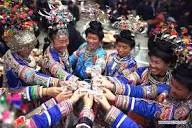
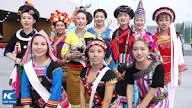
China officially recognises 56 ethnic groups. While the Han Chinese form more than 91 per cent of the population, minority communities such as Uyghurs, Tibetans, Mongols, Hui Muslims, Manchus, and others have distinct languages, beliefs, and cultural traditions that predate the modern Chinese state. Many of these groups occupy strategically sensitive regions including Xinjiang, Tibet, and Inner Mongolia.
Concerns have intensified under President Xi Jinping, whose administration has prioritised political unity and national security. In Xinjiang, extensive surveillance systems using facial recognition, biometric data, and digital tracking have become routine. International organisations estimate that over a million Uyghurs and other Muslim minorities have been detained in what Beijing calls vocational training centres, but which critics describe as re-education camps aimed at ideological conformity.
Language policy has emerged as a central flashpoint. In Inner Mongolia, the gradual replacement of Mongolian with Mandarin as the primary medium of instruction in schools has triggered protests from parents and educators, who fear younger generations are losing linguistic and cultural ties. Similar concerns have been raised in Tibet, where monasteries operate under tight supervision and monks and nuns are required to undergo political education.
Demographic changes are also reshaping minority regions. State-backed migration of Han Chinese into historically minority-dominated areas has altered population balances, affecting local governance, land use, and employment patterns. Critics argue this has diluted indigenous cultures and weakened traditional social structures.
Human rights groups and several Western governments have described these policies as cultural repression, with some using the term “cultural genocide.” Allegations include restrictions on religious practices, destruction of cultural sites, and coercive family planning measures.
China rejects these claims, asserting that its policies promote economic development, social stability, and national integration. However, analysts warn that without meaningful safeguards for cultural autonomy, several minority traditions and languages may face irreversible decline in the coming decades, making the issue a growing point of global concern.

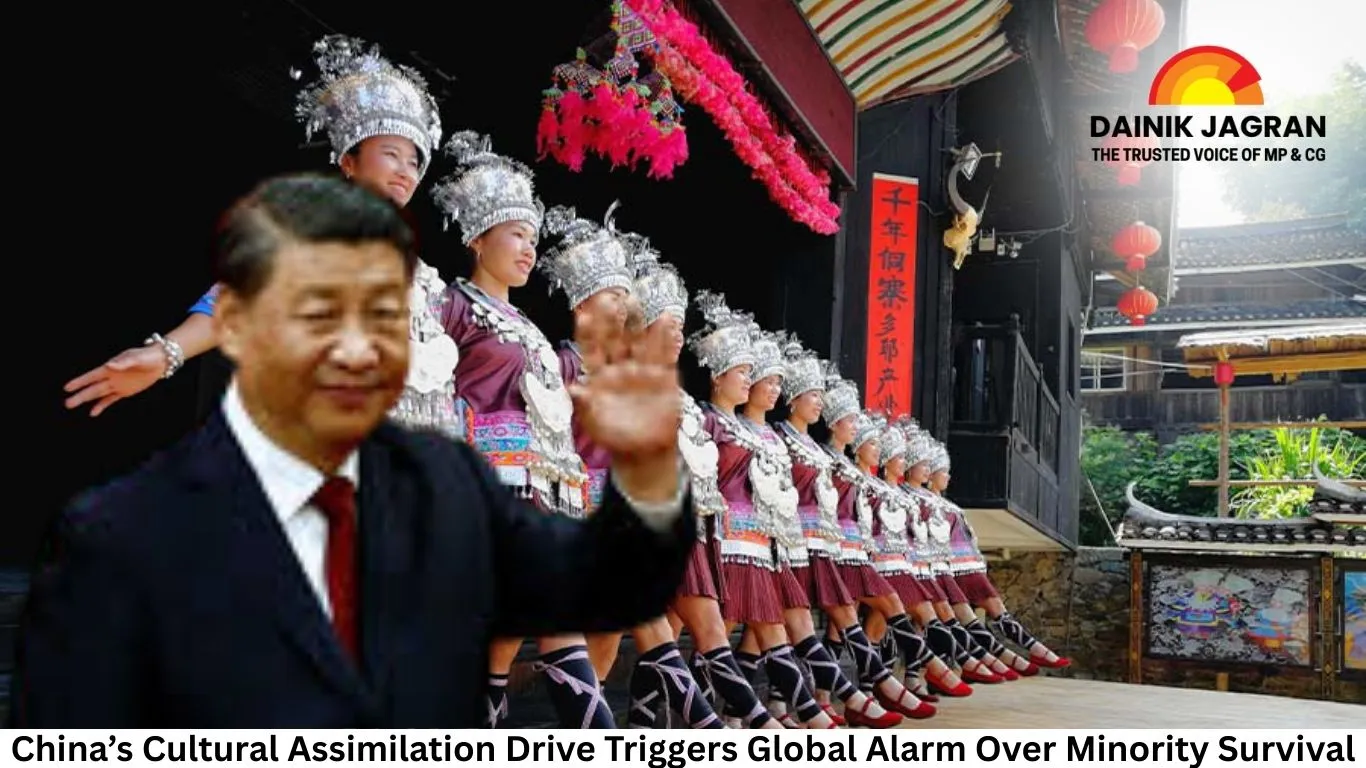
China’s Cultural Assimilation Drive Triggers Global Alarm Over Minority Survival
Digital Desk
China officially recognises 56 ethnic groups. While the Han Chinese form more than 91 per cent of the population, minority communities such as Uyghurs, Tibetans, Mongols, Hui Muslims, Manchus, and others have distinct languages, beliefs, and cultural traditions that predate the modern Chinese state. Many of these groups occupy strategically sensitive regions including Xinjiang, Tibet, and Inner Mongolia.
Concerns have intensified under President Xi Jinping, whose administration has prioritised political unity and national security. In Xinjiang, extensive surveillance systems using facial recognition, biometric data, and digital tracking have become routine. International organisations estimate that over a million Uyghurs and other Muslim minorities have been detained in what Beijing calls vocational training centres, but which critics describe as re-education camps aimed at ideological conformity.
Language policy has emerged as a central flashpoint. In Inner Mongolia, the gradual replacement of Mongolian with Mandarin as the primary medium of instruction in schools has triggered protests from parents and educators, who fear younger generations are losing linguistic and cultural ties. Similar concerns have been raised in Tibet, where monasteries operate under tight supervision and monks and nuns are required to undergo political education.
Demographic changes are also reshaping minority regions. State-backed migration of Han Chinese into historically minority-dominated areas has altered population balances, affecting local governance, land use, and employment patterns. Critics argue this has diluted indigenous cultures and weakened traditional social structures.
Human rights groups and several Western governments have described these policies as cultural repression, with some using the term “cultural genocide.” Allegations include restrictions on religious practices, destruction of cultural sites, and coercive family planning measures.
China rejects these claims, asserting that its policies promote economic development, social stability, and national integration. However, analysts warn that without meaningful safeguards for cultural autonomy, several minority traditions and languages may face irreversible decline in the coming decades, making the issue a growing point of global concern.



.jpg)




