


Australia's Under-16 Social Media Ban: Saving Kids from Digital Doom or Stifling Their Voices?
Digital Desk
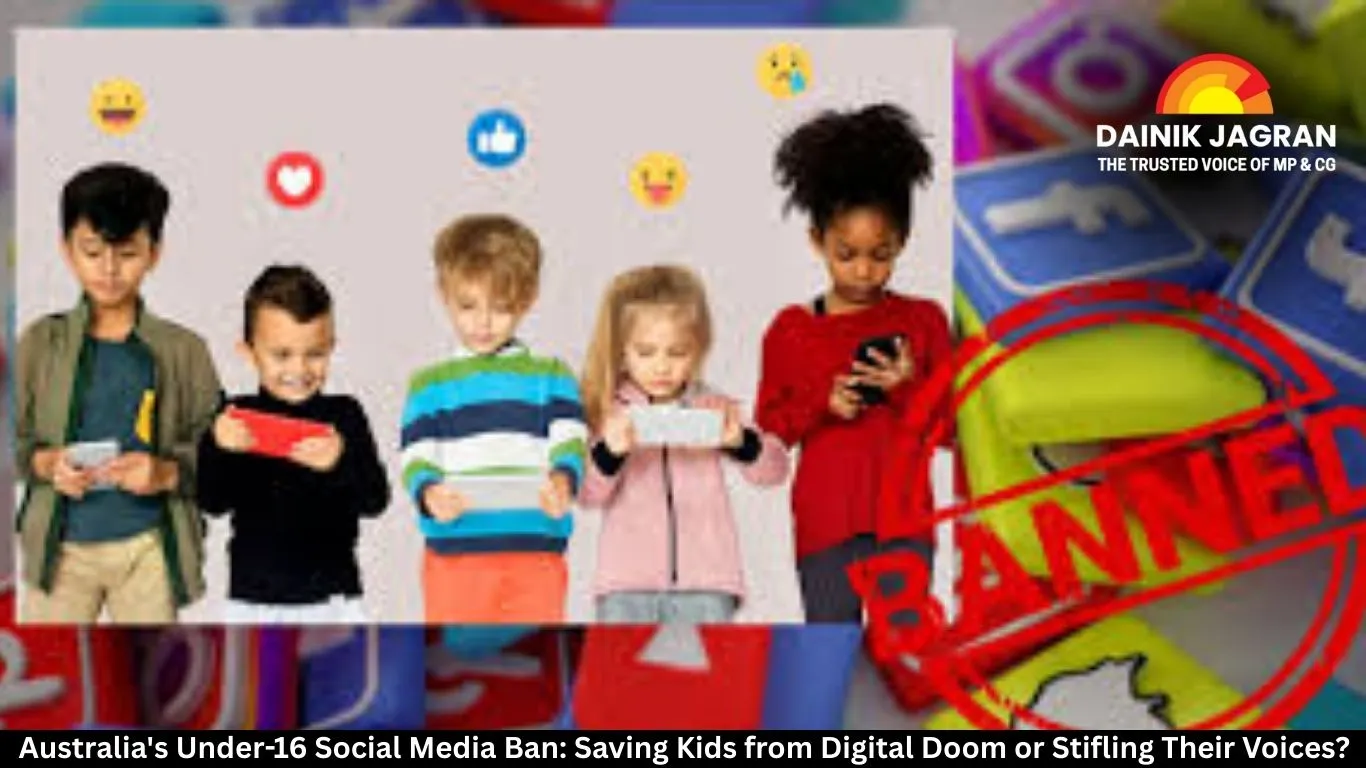
In a world where kids scroll more than they sleep, Australia just dropped a bombshell: a nationwide ban on social media for anyone under 16, effective December 12, 2025. No more TikTok dances, Instagram reels, or Snapchat streaks for the youngest users.
Platforms like Facebook, Instagram, Snapchat, Threads, TikTok, X (formerly Twitter), YouTube, Reddit, Kick, and Twitch now face massive fines—up to AUD 49.5 million (about ₹300 crore)—if they let minors slip through. It's the world's first blanket prohibition, and as a parent who's watched my own teens battle screen zombies, I say: bravo, but with a giant asterisk.
Picture this: hours before the ban hit, Australian feeds overflowed with heartbreak. Kids posted tearful goodbyes to the tune of "This Is the End" by AL, vowing to "meet in another world." One viral clip showed a teen unfollowing Prime Minister Anthony Albanese, with his follower count plummeting by 6,000. "Wait till we can vote," they commented, a cheeky rebellion brewing. It's raw, real emotion—social media isn't just an app; it's their lifeline to friends, identity, and escape.
But here's the gut-wrench: this isn't abstract policy. Meet Mian Benister, a single mom whose 14-year-old son, Ollie, died by suicide in January 2025, haunted by anorexia triggered by TikTok's toxic "fitspo" videos and Snapchat bullies mocking his red hair and weight. Ollie dropped from 74kg to under 50kg, purging meals and self-harming for daring to eat. "Social media swallowed my world," Mian told reporters, standing beside PM Albanese at the announcement. Her story echoes a chilling stat: 96% of Aussie 10-15-year-olds are online, with 70% encountering hate, violence, eating disorders, or grooming. Half face cyberbullying. Algorithms, those billion-dollar puppeteers, keep kids hooked on harm.
Enforcement? Companies must verify ages via AI facial scans or ID uploads—no kid gets busted, just Big Tech foots the bill. YouTube gets a partial pass: logins banned for minors, but guest viewing stays. Google griped about unfiltered chaos, while Meta and TikTok cried foul over "double standards." Privacy hawks warn of data honeypots ripe for hackers, and human rights groups scream censorship. Two 15-year-olds sued, claiming it guts free speech and isolates LGBTQ+ youth who rely on these apps for community.
Kids aren't buying it either. An ABC survey found 75% of 9-16-year-olds plan to dodge the ban via VPNs or shady alternatives—downloads for sketchy photo-sharing apps spiked pre-ban. Experts are split: child psychologists hail it as a reset for attention spans shredded by endless scrolls, potentially curbing aggression and mental health crises. "It's an experiment worth trying," one doc said, urging family chats over forced detoxes to ease the shock.
Globally, it's a domino tease. The UK polices harmful content sans age caps; France mandates parental nods under 15; China caps screen time. Malaysia eyes a similar ban next year. The US stalls on free speech grounds, but Florida's push hints at momentum. India? With 400 million kids online and a booming creator economy, full bans could tank jobs. We're betting on digital literacy instead—smart, but is it enough?
Australia's gamble is bold: reclaim control from addictive tech. It might flop if kids rebel harder, but ignoring the Ollie tragedies? That's criminal negligence. Parents, log off with them tonight. The real world awaits. What's your take—lifesaver or nanny state overkill?
.jpg)




