The Algorithm Is Raising a Generation: How Social Media Is Rewiring the Youth Mindset
Digital Desk
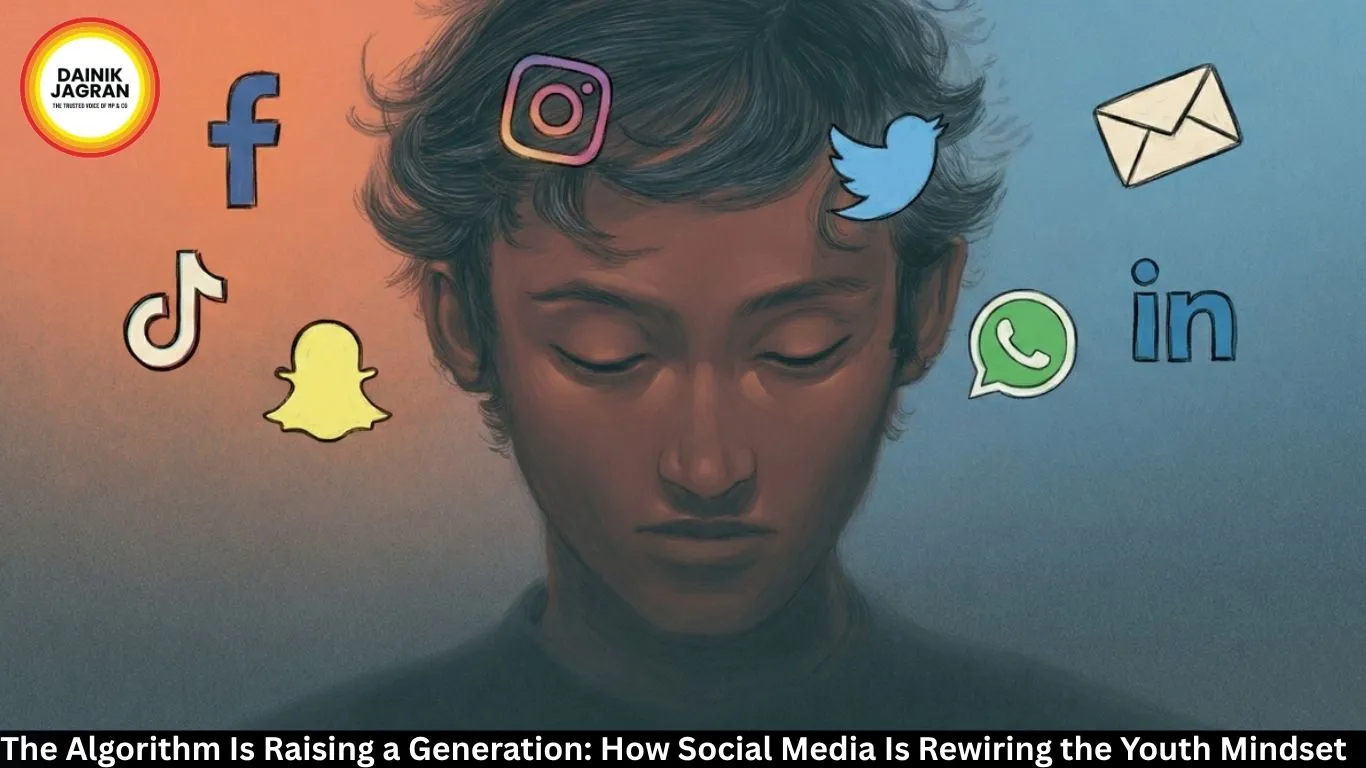
For today's young generation, social media is no longer just a platform for communication or entertainment—it has become a powerful force shaping opinions, aspirations, relationships and even personal identity.
Every swipe, like, share and watch is guided by algorithms that decide what users see next. While these systems are designed to maximise engagement, their influence on the mindset of young people is becoming one of the defining social challenges of the digital age.
Unlike traditional media, where everyone consumed largely the same information, social media algorithms create personalised digital worlds. A teenager interested in fitness may soon find an endless stream of workout videos. Another searching for investment tips could be flooded with financial advice. This level of personalisation appears convenient, but it also narrows perspectives by repeatedly reinforcing similar ideas. Over time, users are exposed to less diversity of thought and become trapped in what experts call "echo chambers."
The psychological effects are equally significant. Most algorithms reward emotionally charged content because it keeps users engaged for longer periods. Outrage, controversy, fear and sensationalism often outperform balanced discussions. As a result, young users are increasingly exposed to content that provokes strong emotional reactions rather than thoughtful reflection. This constant cycle can influence how they perceive society, politics, success and even themselves.
Perhaps the biggest impact is on self-worth. Platforms prioritise content that generates high engagement, often showcasing luxury lifestyles, perfect physiques, expensive vacations and extraordinary achievements. While much of this content is carefully curated—or even edited with artificial intelligence—it creates unrealistic expectations. Young people begin comparing their everyday lives with someone's online highlight reel, leading to anxiety, insecurity and declining self-esteem.
The rise of short-form videos has introduced another concern. Content lasting only a few seconds is designed to hold attention through constant stimulation. Many educators and psychologists argue that excessive exposure to such formats may reduce attention span, making it harder for students to focus on long-form reading, classroom learning or deep thinking. Instant gratification gradually replaces patience and sustained effort.
Algorithms have also changed how news reaches young audiences. Instead of actively seeking information from reliable sources, many now receive news through viral clips, influencers or trending posts. This creates fertile ground for misinformation, manipulated narratives and half-truths. Without strong digital literacy, distinguishing facts from opinions becomes increasingly difficult.
However, blaming technology alone would oversimplify the issue. Algorithms are designed to respond to user behaviour. They amplify what people watch, search for and engage with. In many ways, users also train the algorithm through their own choices. The challenge, therefore, is not simply technological but behavioural.
Social media has undeniable benefits. It has democratised access to knowledge, created opportunities for learning, entrepreneurship and creativity, and connected people across geographical boundaries. Thousands of students prepare for competitive examinations through online educators. Young entrepreneurs build businesses without significant capital. Artists, writers and professionals find audiences they could never have reached through traditional platforms. The same algorithm that spreads misinformation can also promote educational content, career guidance and social awareness.
The question is whether society is preparing young people to use these tools wisely.
Digital literacy must become as important as traditional literacy. Schools should teach students how algorithms work, why certain content appears on their feeds and how online engagement shapes recommendations. Parents should move beyond restricting screen time and instead encourage conversations about digital habits, misinformation and healthy online behaviour. Technology companies, too, carry a responsibility to improve transparency, strengthen content moderation and provide users with greater control over recommendation systems.
Ultimately, algorithms are neither inherently good nor bad. They are powerful tools built to optimise engagement. The real concern arises when engagement becomes more important than well-being, critical thinking or informed decision-making.
The generation growing up today is not simply using social media—it is being shaped by it every single day. Whether algorithms become instruments of learning or engines of manipulation will depend not only on technology companies, but also on governments, educators, families and users themselves.
The future of young minds should never be determined solely by what appears on the next scroll.

--------
🚨 Beat the News Rush – Join Now!
Get breaking alerts, hot exclusives, and game-changing stories instantly on your phone. No delays, no fluff – just the edge you need. ⚡
Tap to join:
🟢 WhatsApp Channel: Dainik Jagran MP CG
Crave more?
🅕 Facebook: Dainik Jagran MP CG English
🅧 Twitter (X): Dainik Jagran MP CG
🅘 Instagram: Dainik Jagran MP CG
Share the fire – keep your crew ahead! 🗞️🔥
The Algorithm Is Raising a Generation: How Social Media Is Rewiring the Youth Mindset
Digital Desk
Every swipe, like, share and watch is guided by algorithms that decide what users see next. While these systems are designed to maximise engagement, their influence on the mindset of young people is becoming one of the defining social challenges of the digital age.
Unlike traditional media, where everyone consumed largely the same information, social media algorithms create personalised digital worlds. A teenager interested in fitness may soon find an endless stream of workout videos. Another searching for investment tips could be flooded with financial advice. This level of personalisation appears convenient, but it also narrows perspectives by repeatedly reinforcing similar ideas. Over time, users are exposed to less diversity of thought and become trapped in what experts call "echo chambers."
The psychological effects are equally significant. Most algorithms reward emotionally charged content because it keeps users engaged for longer periods. Outrage, controversy, fear and sensationalism often outperform balanced discussions. As a result, young users are increasingly exposed to content that provokes strong emotional reactions rather than thoughtful reflection. This constant cycle can influence how they perceive society, politics, success and even themselves.
Perhaps the biggest impact is on self-worth. Platforms prioritise content that generates high engagement, often showcasing luxury lifestyles, perfect physiques, expensive vacations and extraordinary achievements. While much of this content is carefully curated—or even edited with artificial intelligence—it creates unrealistic expectations. Young people begin comparing their everyday lives with someone's online highlight reel, leading to anxiety, insecurity and declining self-esteem.
The rise of short-form videos has introduced another concern. Content lasting only a few seconds is designed to hold attention through constant stimulation. Many educators and psychologists argue that excessive exposure to such formats may reduce attention span, making it harder for students to focus on long-form reading, classroom learning or deep thinking. Instant gratification gradually replaces patience and sustained effort.
Algorithms have also changed how news reaches young audiences. Instead of actively seeking information from reliable sources, many now receive news through viral clips, influencers or trending posts. This creates fertile ground for misinformation, manipulated narratives and half-truths. Without strong digital literacy, distinguishing facts from opinions becomes increasingly difficult.
However, blaming technology alone would oversimplify the issue. Algorithms are designed to respond to user behaviour. They amplify what people watch, search for and engage with. In many ways, users also train the algorithm through their own choices. The challenge, therefore, is not simply technological but behavioural.
Social media has undeniable benefits. It has democratised access to knowledge, created opportunities for learning, entrepreneurship and creativity, and connected people across geographical boundaries. Thousands of students prepare for competitive examinations through online educators. Young entrepreneurs build businesses without significant capital. Artists, writers and professionals find audiences they could never have reached through traditional platforms. The same algorithm that spreads misinformation can also promote educational content, career guidance and social awareness.
The question is whether society is preparing young people to use these tools wisely.
Digital literacy must become as important as traditional literacy. Schools should teach students how algorithms work, why certain content appears on their feeds and how online engagement shapes recommendations. Parents should move beyond restricting screen time and instead encourage conversations about digital habits, misinformation and healthy online behaviour. Technology companies, too, carry a responsibility to improve transparency, strengthen content moderation and provide users with greater control over recommendation systems.
Ultimately, algorithms are neither inherently good nor bad. They are powerful tools built to optimise engagement. The real concern arises when engagement becomes more important than well-being, critical thinking or informed decision-making.
The generation growing up today is not simply using social media—it is being shaped by it every single day. Whether algorithms become instruments of learning or engines of manipulation will depend not only on technology companies, but also on governments, educators, families and users themselves.
The future of young minds should never be determined solely by what appears on the next scroll.