Putin Says India Showing Interest in Russia's Northern Sea Route
Russian President Vladimir Putin says India is showing growing interest in the Northern Sea Route as Moscow expands Arctic shipping and trade links with Asia.
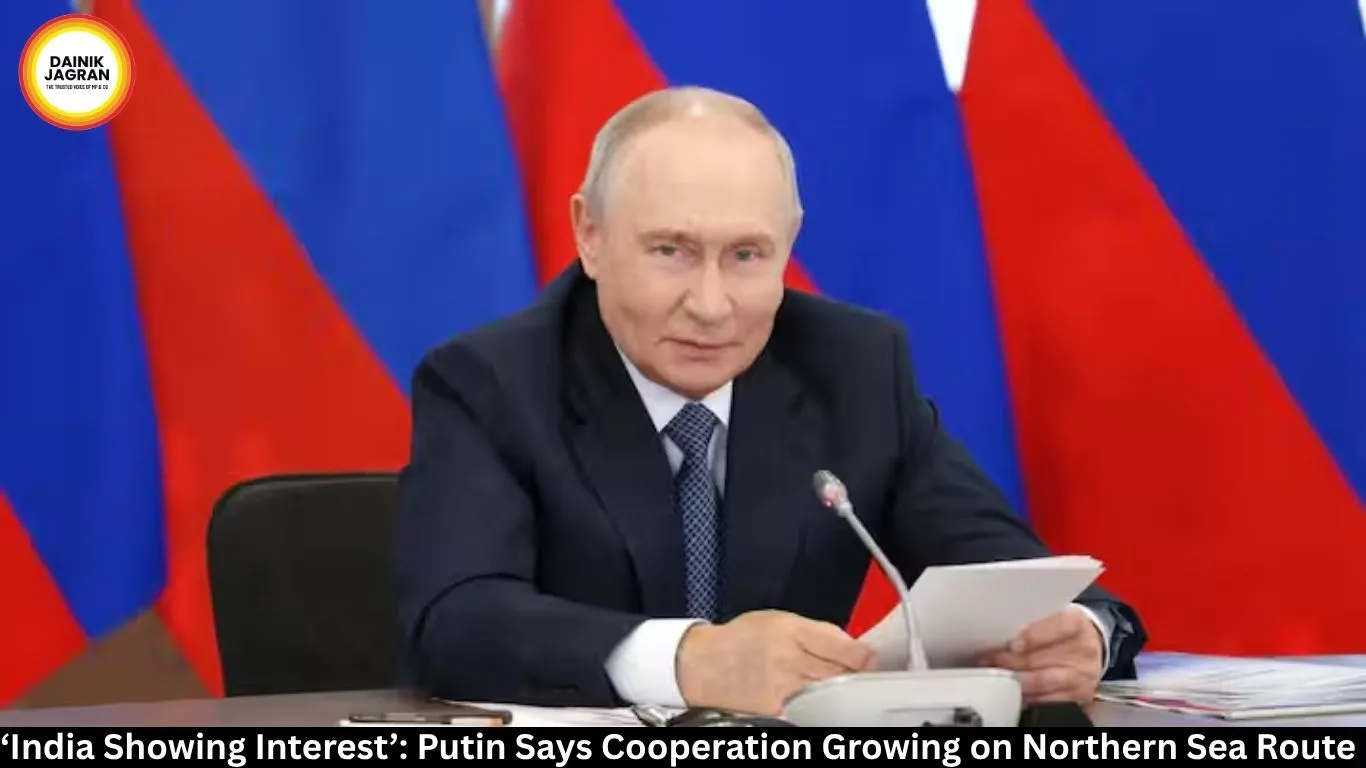
India is showing growing interest in Russia’s Northern Sea Route (NSR) as Moscow seeks to expand Arctic shipping and develop the corridor into a major trade link between Europe and Asia, Russian President Vladimir Putin said on Wednesday.
Putin said Russia was seeing increasing interest from Asian countries, particularly India and China, in cooperation on the Arctic shipping route. Moscow is seeking to redirect more trade towards Asian markets while strengthening its presence in the Arctic.
Speaking to Pacific Fleet personnel aboard the missile cruiser Varyag, Putin said Russia remained open to international cooperation on the route, provided such engagement followed international maritime law.
He said countries including China and India were actively discussing cooperation with Russia on the Northern Sea Route.
Russia Pushes Arctic Route
The Northern Sea Route runs along Russia’s Arctic coastline and connects the Atlantic and Pacific oceans through waters north of Siberia.
Russia has been investing heavily in the corridor as it seeks an alternative to traditional shipping routes such as the Suez Canal.
The route can potentially shorten shipping distances between Europe and Asia. However, extreme cold, sea ice, limited infrastructure and difficult navigation continue to pose challenges.
Ships operating in the region may require ice-strengthened designs and support from specialised icebreakers.
India Shows Growing Interest
For India, the Northern Sea Route could become another connectivity option for trade with Russia, particularly for energy supplies and other commodities.
India and Russia have already discussed greater cooperation on Arctic shipping and the development of mechanisms to facilitate the use of the route.
The NSR could complement other India-Russia connectivity initiatives, including the International North-South Transport Corridor (INSTC) and the proposed Chennai-Vladivostok maritime corridor.
Prime Minister Narendra Modi has also highlighted the importance of strengthening connectivity between India and Russia and has spoken about training Indian sailors for navigation in Arctic waters.
Energy Trade Could Benefit
India is one of the world's major buyers of Russian crude oil, making shipping connectivity an important part of the broader bilateral economic relationship.
A more developed Arctic route could provide additional options for transporting Russian energy and other goods to Asian markets.
For Moscow, stronger cooperation with India is also strategically significant as Russia continues to deepen its economic relationships with Asian countries amid Western sanctions related to the Ukraine conflict.
China has emerged as a major partner in Russia's Arctic strategy, but Moscow is also seeking broader participation from other Asian economies.
Russia Expands Arctic Infrastructure
Russia has invested in ports, navigation systems, logistics facilities and a fleet of nuclear-powered icebreakers to support the development of the Northern Sea Route.
The country wants to increase the volume of cargo transported through the Arctic and eventually establish the route as a more reliable commercial corridor.
Russian energy companies have already increased shipments towards Asian markets through Arctic waters, while Chinese companies have shown growing interest in using the route for container shipping.
The gradual reduction in Arctic sea ice has also increased the period during which commercial vessels can navigate parts of the route, although ice conditions remain a major operational factor.
Putin Warns of Rising Tensions
Putin's comments on cooperation came alongside a warning about what he described as growing "artificial tensions" in the Arctic.
Russia has repeatedly criticised increased military activity by Western countries and Nato in the region, describing the Arctic as an increasingly important area of geopolitical competition.
The region has gained strategic significance because of its shipping routes, energy reserves and mineral resources.
As Arctic ice retreats, countries are also assessing the potential economic opportunities created by easier access to previously difficult-to-reach areas.
Arctic Route Faces Challenges
Despite its potential, the Northern Sea Route remains considerably more challenging than established international shipping lanes.
Extreme weather, seasonal ice, specialised vessels, insurance costs and limited infrastructure can make Arctic shipping expensive.
For India, greater participation would therefore require investments in Arctic navigation capabilities, trained personnel and suitable vessels.
The route's commercial viability will also depend on how quickly Russia can develop year-round infrastructure and how geopolitical conditions evolve.
India-Russia Connectivity Expands
Putin's latest remarks indicate that Moscow sees India as an important potential partner in the development of the Northern Sea Route.
For India, participation could strengthen access to Russian energy and markets while adding another option to its wider connectivity network.
The Arctic is simultaneously becoming a more competitive geopolitical space, with Russia, the United States, Nato countries and Asian powers seeking greater strategic and commercial influence.
The Northern Sea Route is therefore emerging not only as a potential trade corridor but also as an important part of the changing economic and geopolitical relationship between Russia and Asia.
Putin Says India Showing Interest in Russia's Northern Sea Route
India is showing growing interest in Russia’s Northern Sea Route (NSR) as Moscow seeks to expand Arctic shipping and develop the corridor into a major trade link between Europe and Asia, Russian President Vladimir Putin said on Wednesday.
Putin said Russia was seeing increasing interest from Asian countries, particularly India and China, in cooperation on the Arctic shipping route. Moscow is seeking to redirect more trade towards Asian markets while strengthening its presence in the Arctic.
Speaking to Pacific Fleet personnel aboard the missile cruiser Varyag, Putin said Russia remained open to international cooperation on the route, provided such engagement followed international maritime law.
He said countries including China and India were actively discussing cooperation with Russia on the Northern Sea Route.
Russia Pushes Arctic Route
The Northern Sea Route runs along Russia’s Arctic coastline and connects the Atlantic and Pacific oceans through waters north of Siberia.
Russia has been investing heavily in the corridor as it seeks an alternative to traditional shipping routes such as the Suez Canal.
The route can potentially shorten shipping distances between Europe and Asia. However, extreme cold, sea ice, limited infrastructure and difficult navigation continue to pose challenges.
Ships operating in the region may require ice-strengthened designs and support from specialised icebreakers.
India Shows Growing Interest
For India, the Northern Sea Route could become another connectivity option for trade with Russia, particularly for energy supplies and other commodities.
India and Russia have already discussed greater cooperation on Arctic shipping and the development of mechanisms to facilitate the use of the route.
The NSR could complement other India-Russia connectivity initiatives, including the International North-South Transport Corridor (INSTC) and the proposed Chennai-Vladivostok maritime corridor.
Prime Minister Narendra Modi has also highlighted the importance of strengthening connectivity between India and Russia and has spoken about training Indian sailors for navigation in Arctic waters.
Energy Trade Could Benefit
India is one of the world's major buyers of Russian crude oil, making shipping connectivity an important part of the broader bilateral economic relationship.
A more developed Arctic route could provide additional options for transporting Russian energy and other goods to Asian markets.
For Moscow, stronger cooperation with India is also strategically significant as Russia continues to deepen its economic relationships with Asian countries amid Western sanctions related to the Ukraine conflict.
China has emerged as a major partner in Russia's Arctic strategy, but Moscow is also seeking broader participation from other Asian economies.
Russia Expands Arctic Infrastructure
Russia has invested in ports, navigation systems, logistics facilities and a fleet of nuclear-powered icebreakers to support the development of the Northern Sea Route.
The country wants to increase the volume of cargo transported through the Arctic and eventually establish the route as a more reliable commercial corridor.
Russian energy companies have already increased shipments towards Asian markets through Arctic waters, while Chinese companies have shown growing interest in using the route for container shipping.
The gradual reduction in Arctic sea ice has also increased the period during which commercial vessels can navigate parts of the route, although ice conditions remain a major operational factor.
Putin Warns of Rising Tensions
Putin's comments on cooperation came alongside a warning about what he described as growing "artificial tensions" in the Arctic.
Russia has repeatedly criticised increased military activity by Western countries and Nato in the region, describing the Arctic as an increasingly important area of geopolitical competition.
The region has gained strategic significance because of its shipping routes, energy reserves and mineral resources.
As Arctic ice retreats, countries are also assessing the potential economic opportunities created by easier access to previously difficult-to-reach areas.
Arctic Route Faces Challenges
Despite its potential, the Northern Sea Route remains considerably more challenging than established international shipping lanes.
Extreme weather, seasonal ice, specialised vessels, insurance costs and limited infrastructure can make Arctic shipping expensive.
For India, greater participation would therefore require investments in Arctic navigation capabilities, trained personnel and suitable vessels.
The route's commercial viability will also depend on how quickly Russia can develop year-round infrastructure and how geopolitical conditions evolve.
India-Russia Connectivity Expands
Putin's latest remarks indicate that Moscow sees India as an important potential partner in the development of the Northern Sea Route.
For India, participation could strengthen access to Russian energy and markets while adding another option to its wider connectivity network.
The Arctic is simultaneously becoming a more competitive geopolitical space, with Russia, the United States, Nato countries and Asian powers seeking greater strategic and commercial influence.
The Northern Sea Route is therefore emerging not only as a potential trade corridor but also as an important part of the changing economic and geopolitical relationship between Russia and Asia.
Recommended For You
--------
🚨 Beat the News Rush – Join Now!
Get breaking alerts, hot exclusives, and game-changing stories instantly on your phone. No delays, no fluff – just the edge you need. ⚡
Tap to join:
🟢 WhatsApp Channel: Dainik Jagran MP CG
Crave more?
🅕 Facebook: Dainik Jagran MP CG English
🅧 Twitter (X): Dainik Jagran MP CG
🅘 Instagram: Dainik Jagran MP CG
Share the fire – keep your crew ahead! 🗞️🔥