


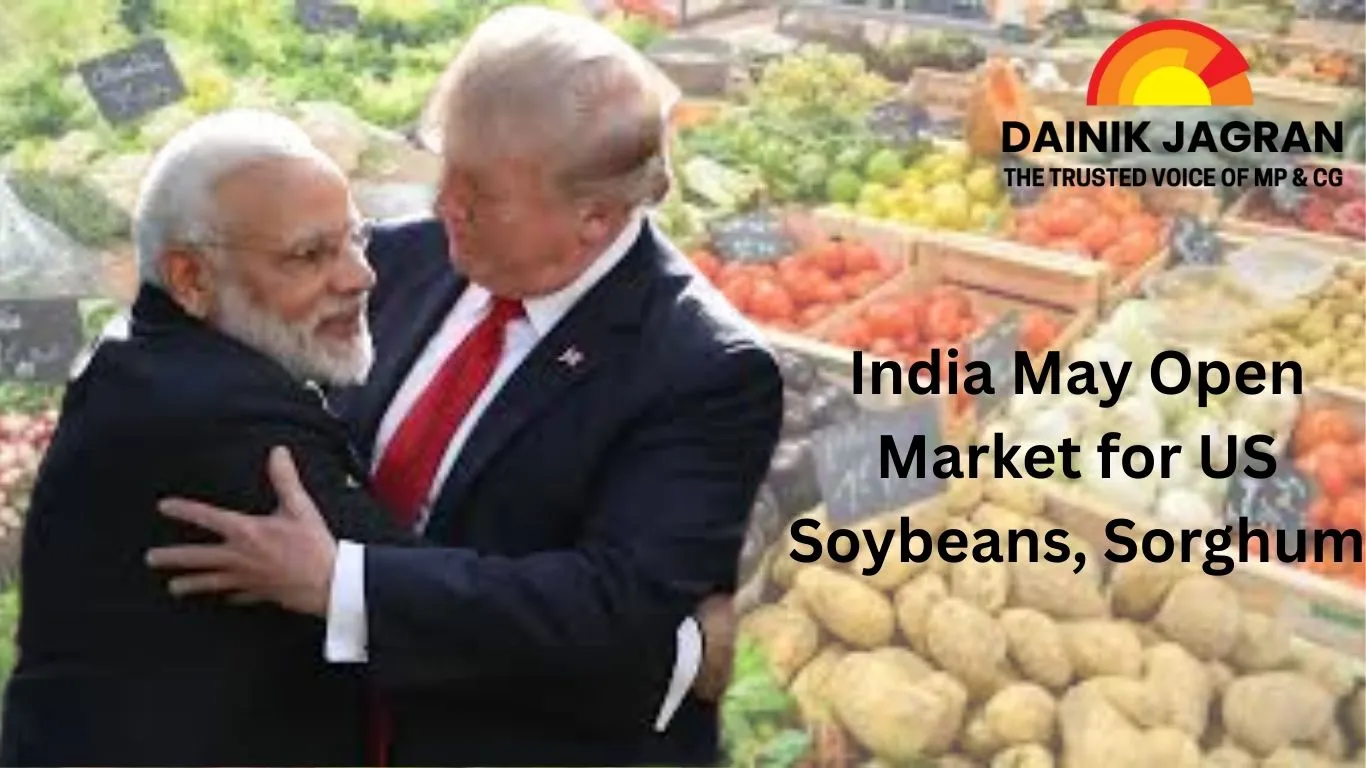
India May Open Market for US Soybeans, Sorghum: Trade Deal Possible Within a Year
Digital Desk
The US negotiating team is currently in New Delhi, focusing on issues that could provide greater access for American agricultural products to India. Greer highlighted that India’s willingness to consider new market access is a positive development for US farmers, who are facing declining demand from China and large stockpiles of grains domestically.
“This conversation is part of a broader strategy to secure new markets globally, which strengthens dialogue with major economies like India,” Greer said. He added that India could become a significant market for US agricultural exports, including corn- and soybean-based ethanol, potentially boosting US sales by billions of dollars.
Apart from agriculture, talks are also progressing on other trade matters, including a proposal to remove tariffs on aircraft parts under the 1979 Aircraft Agreement. Such reciprocal concessions could enable India to benefit from reduced duties on US products while allowing American goods into Indian markets at competitive rates.
The negotiations are seen as a potential step toward a formal trade deal within a year, according to industry observers. If implemented, India could emerge as a key buyer of US soybeans, sorghum, and ethanol, strengthening agricultural trade between the two nations.
The talks reflect India’s cautious but evolving approach to international agricultural imports, balancing domestic producers’ interests with the opportunity to engage in mutually beneficial trade agreements with the US and other global partners.
A successful agreement could open new revenue streams for American farmers and provide India with a diverse and reliable supply of agricultural commodities, supporting both domestic consumption and industrial needs.




.jpg)




