US Congress Approves War Powers Measure to Halt Military Action Against Iran; Trump’s Authority Faces Scrutiny

Washington

US Congress Approves War Powers Measure to Halt Military Action Against Iran; Trump’s Authority Faces Scrutiny

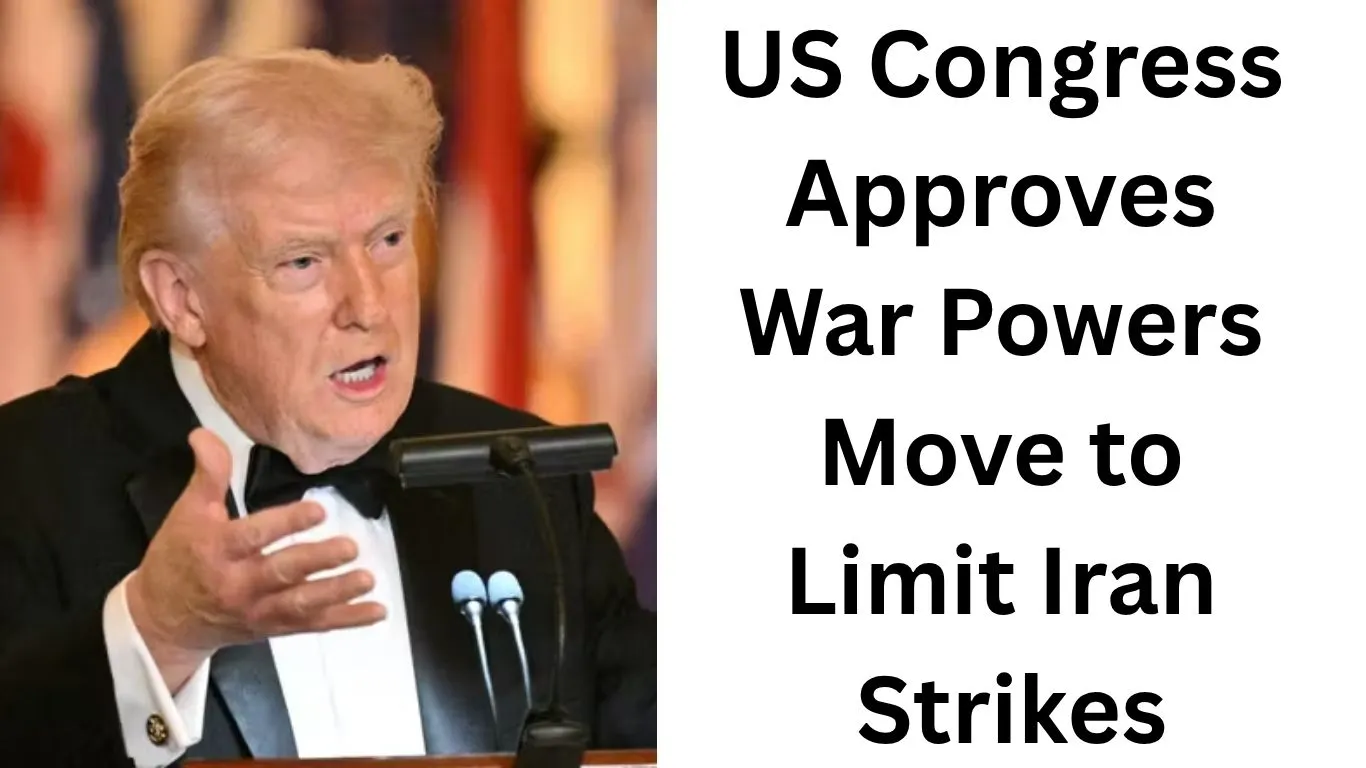
The resolution, passed with a narrow margin of 215 to 208 votes in the House of Representatives, reflects increasing bipartisan concern over the scale and economic burden of the war. Lawmakers supporting the measure argue that continued military operations have already cost US taxpayers over $100 billion and are placing additional pressure on the domestic economy, including rising inflation and fuel prices.

According to Democratic leader Hakeem Jeffries, the conflict has become “reckless and expensive” and should be brought to an immediate end. He stated that only a small number of Republican lawmakers were needed to push the resolution forward, highlighting growing cross-party dissatisfaction with the ongoing military campaign.

The War Powers resolution had already passed in the Senate last month after several Republican senators broke ranks with President Donald Trump, signaling rare bipartisan resistance to executive military authority. The latest House approval further intensifies pressure on the administration, even though the measure is largely seen as symbolic at this stage.

The legislation does not immediately halt military operations but serves as a formal congressional effort to limit presidential authority under the War Powers framework. If fully enacted, it would require Senate confirmation before any enforcement steps are taken. A final Senate vote is still pending, and lawmakers remain divided over how far Congress should go in restricting executive military powers.

The debate has reignited longstanding constitutional questions over war authority in the United States. Under the Constitution, Congress holds the power to declare war, while the President serves as Commander-in-Chief with authority to conduct military operations. The War Powers Act further requires the White House to seek congressional approval for sustained military engagements beyond 60 days.

US Secretary of State Marco Rubio, testifying before the House Foreign Affairs Committee, warned that restricting presidential military authority could weaken US leverage in ongoing negotiations. He argued that adversaries such as Iran could interpret congressional action as a sign that the administration’s hands are tied, potentially reducing incentives for diplomatic compromise.

The political dispute comes amid ongoing instability in the region following renewed hostilities between the United States, Israel, and Iran earlier this year. Although a ceasefire was declared in April, reports suggest that sporadic military exchanges have continued, particularly involving Iranian-backed groups in Lebanon and Israeli operations targeting regional positions.

President Donald Trump, who had earlier promised to reduce foreign military engagements and focus on domestic priorities, now faces mounting pressure as the conflict continues to shape global energy markets. Analysts note that disruptions in the Strait of Hormuz have contributed to rising oil and gas prices, adding inflationary pressure within the United States.


--------

🚨 Beat the News Rush – Join Now!

Get breaking alerts, hot exclusives, and game-changing stories instantly on your phone. No delays, no fluff – just the edge you need. ⚡

Tap to join: 

🟢 WhatsApp Channel: Dainik Jagran MP CG

Crave more?

🅕 Facebook: Dainik Jagran MP CG English

🅧 Twitter (X): Dainik Jagran MP CG

🅘 Instagram: Dainik Jagran MP CG

Share the fire – keep your crew ahead! 🗞️🔥

english.dainikjagranmpcg.com
04 Jun 2026 By Danik Jagran English

US Congress Approves War Powers Measure to Halt Military Action Against Iran; Trump’s Authority Faces Scrutiny

Washington

The resolution, passed with a narrow margin of 215 to 208 votes in the House of Representatives, reflects increasing bipartisan concern over the scale and economic burden of the war. Lawmakers supporting the measure argue that continued military operations have already cost US taxpayers over $100 billion and are placing additional pressure on the domestic economy, including rising inflation and fuel prices.

According to Democratic leader Hakeem Jeffries, the conflict has become “reckless and expensive” and should be brought to an immediate end. He stated that only a small number of Republican lawmakers were needed to push the resolution forward, highlighting growing cross-party dissatisfaction with the ongoing military campaign.

The War Powers resolution had already passed in the Senate last month after several Republican senators broke ranks with President Donald Trump, signaling rare bipartisan resistance to executive military authority. The latest House approval further intensifies pressure on the administration, even though the measure is largely seen as symbolic at this stage.

The legislation does not immediately halt military operations but serves as a formal congressional effort to limit presidential authority under the War Powers framework. If fully enacted, it would require Senate confirmation before any enforcement steps are taken. A final Senate vote is still pending, and lawmakers remain divided over how far Congress should go in restricting executive military powers.

The debate has reignited longstanding constitutional questions over war authority in the United States. Under the Constitution, Congress holds the power to declare war, while the President serves as Commander-in-Chief with authority to conduct military operations. The War Powers Act further requires the White House to seek congressional approval for sustained military engagements beyond 60 days.

US Secretary of State Marco Rubio, testifying before the House Foreign Affairs Committee, warned that restricting presidential military authority could weaken US leverage in ongoing negotiations. He argued that adversaries such as Iran could interpret congressional action as a sign that the administration’s hands are tied, potentially reducing incentives for diplomatic compromise.

The political dispute comes amid ongoing instability in the region following renewed hostilities between the United States, Israel, and Iran earlier this year. Although a ceasefire was declared in April, reports suggest that sporadic military exchanges have continued, particularly involving Iranian-backed groups in Lebanon and Israeli operations targeting regional positions.

President Donald Trump, who had earlier promised to reduce foreign military engagements and focus on domestic priorities, now faces mounting pressure as the conflict continues to shape global energy markets. Analysts note that disruptions in the Strait of Hormuz have contributed to rising oil and gas prices, adding inflationary pressure within the United States.
https://english.dainikjagranmpcg.com/international/us-congress-approves-war-powers-measure-to-halt-military-action/article-19693
Tags:

Latest News