


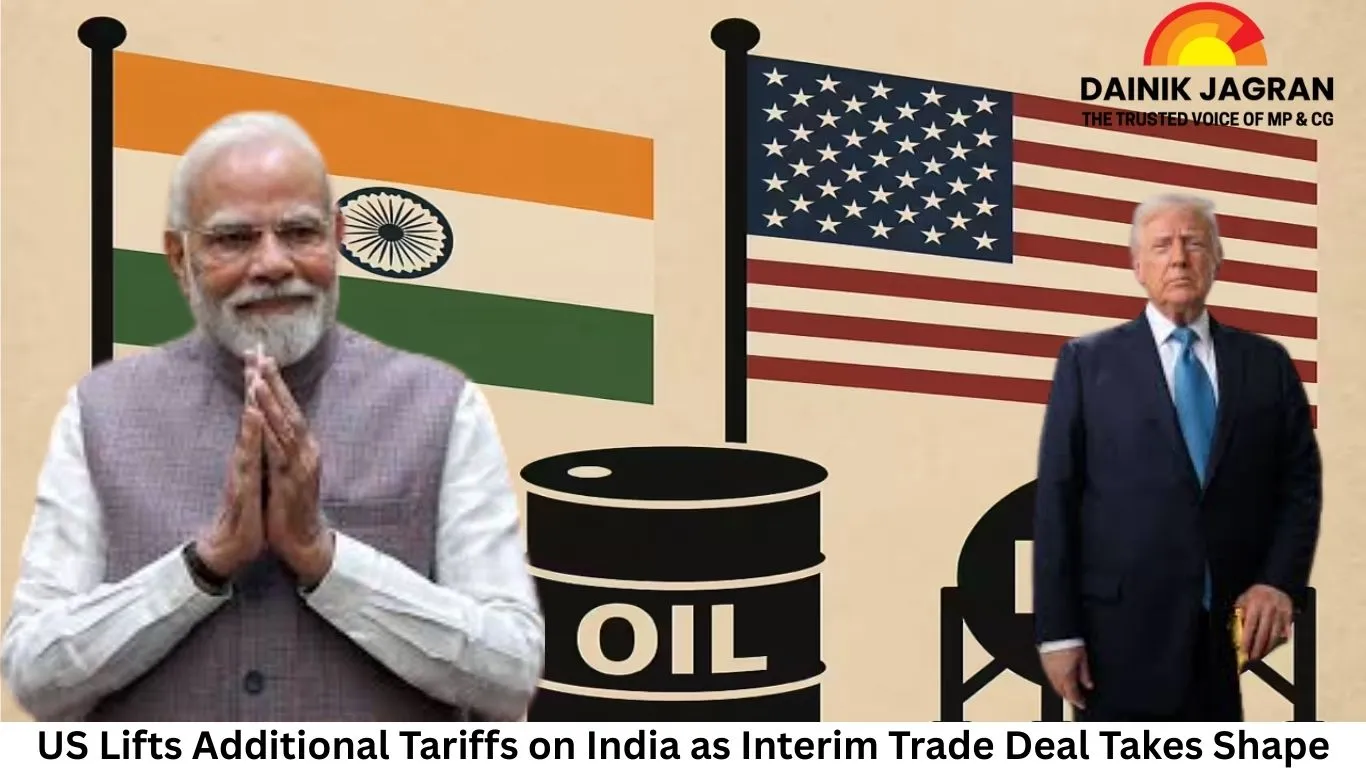
US Lifts Additional Tariffs on India as Interim Trade Deal Takes Shape
Digital Desk
The interim pact, announced through a joint statement, will be implemented shortly while negotiations continue toward a comprehensive Bilateral Trade Agreement (BTA). Talks on the broader BTA began on February 13, 2025. Both sides said the ITA is intended to expand market access, strengthen supply chains, and reduce trade barriers between the two strategic partners.
Union Commerce and Industry Minister Piyush Goyal said the agreement could open access to a $30 trillion US market for Indian exporters, with micro, small and medium enterprises, farmers and fishermen among the key beneficiaries. He added that the framework has the potential to generate large-scale employment, particularly for women and young workers.
As part of the understanding, India has committed to purchasing goods worth $500 billion from the United States over the next five years. These include energy resources, aircraft and aviation components, precious metals, technology products and coking coal. In return, New Delhi will eliminate or lower tariffs on a wide range of US industrial goods.
Addressing long-standing trade frictions, both countries agreed to work on removing non-tariff barriers. India will review regulatory issues affecting US medical devices, simplify import licensing for information and communication technology products, and examine the acceptance of US or international standards in select sectors within six months. New Delhi has also pledged to address hurdles faced by American agricultural exporters.
The framework includes provisions for regulatory cooperation to ease compliance for exporters and a flexibility clause allowing either side to revisit commitments if future tariff structures change. Washington indicated it would seek further tariff reductions for Indian goods during negotiations on the full BTA.
Indian exporters are expected to gain improved access in sectors such as textiles, leather and footwear, plastics and rubber products, organic chemicals, handicrafts and select machinery. Products including generic medicines, gems and diamonds, and aircraft parts could eventually attract zero tariffs. Certain aircraft and auto components may also benefit from exemptions or special tariff-rate quotas.
Goyal stressed that India has safeguarded sensitive sectors, particularly agriculture and dairy. Staples such as wheat, rice, maize, milk products, poultry and meat have not been offered tariff concessions to protect farmers and food security. However, India has agreed to limited duty reductions on select items such as dry fruits, soybean oil, wine and spirits.
Both governments described the interim agreement as a significant step toward a deeper economic partnership that could reshape India–US trade relations.
.jpg)




