India’s Growth May Slow to 6.6% as Oil Shock Tests Economy
Digital Desk
A Reuters poll of economists points to weaker expansion as elevated energy costs and uncertain private investment weigh on jobs and demand.
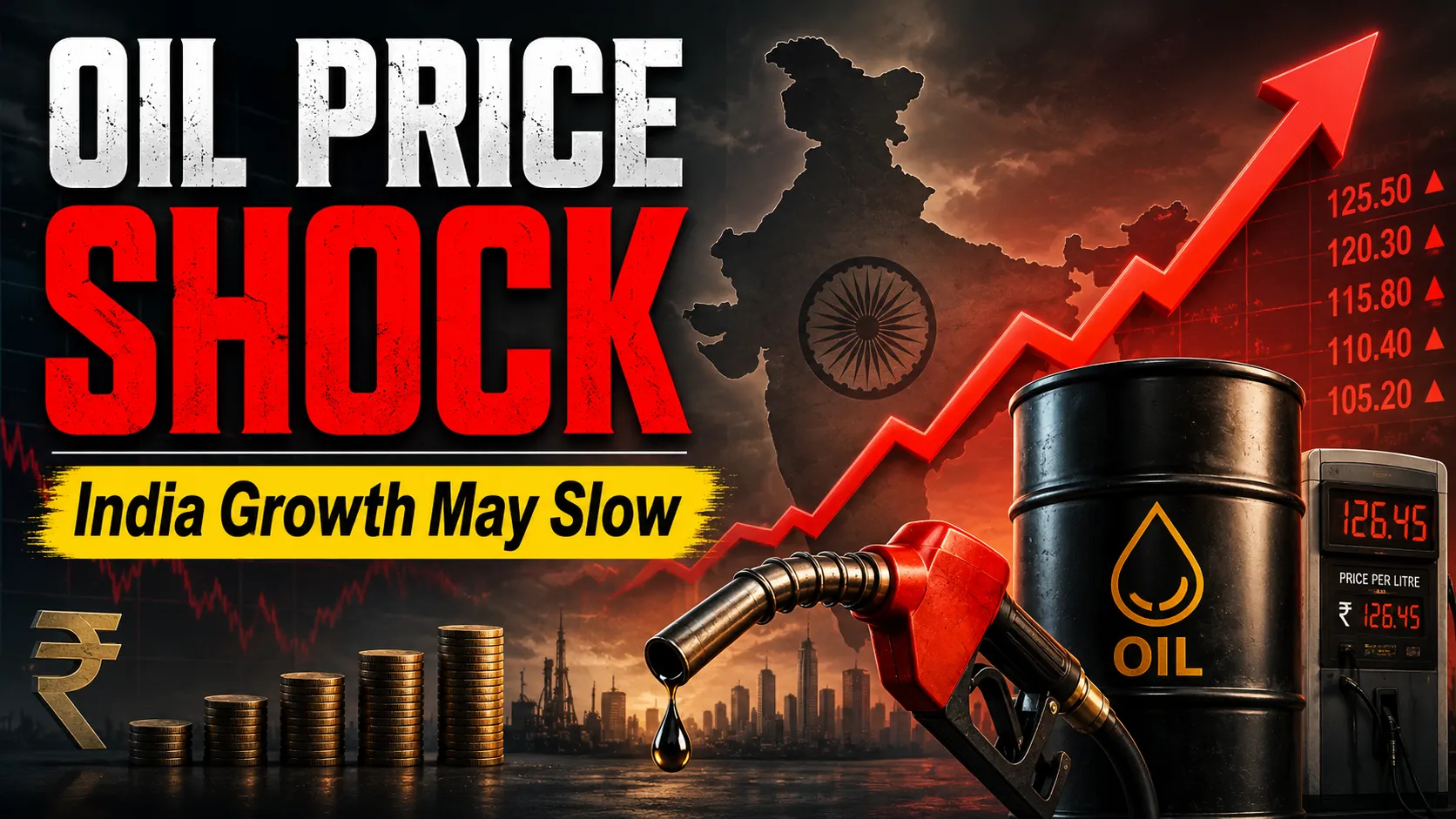
India’s economic growth may slow to 6.6 per cent in the financial year ending March 2027, down from 7.7 per cent in the previous year, according to a Reuters poll of economists.
Oil Raises Pressure
Higher global crude prices have increased risks for an economy that imports most of its energy requirements. Expensive oil can widen the trade deficit, weaken the rupee and push up transport and production costs.
Investment Remains Uneven
Official data has shown growth in private investment, but economists remain uncertain about whether the momentum will last. Companies may delay large projects when consumer demand, global trade and financing costs remain unpredictable.
Household Impact
Slower growth can affect job creation and wage increases. If fuel and freight costs rise, households may also pay more for food, travel and manufactured goods, even when headline inflation remains manageable.
RBI Faces Difficult Choice
The Reserve Bank of India must balance slowing activity against the inflationary impact of energy prices. A prolonged oil shock could limit the scope for rate cuts intended to support borrowing and investment.

--------
🚨 Beat the News Rush – Join Now!
Get breaking alerts, hot exclusives, and game-changing stories instantly on your phone. No delays, no fluff – just the edge you need. ⚡
Tap to join:
🟢 WhatsApp Channel: Dainik Jagran MP CG
Crave more?
🅕 Facebook: Dainik Jagran MP CG English
🅧 Twitter (X): Dainik Jagran MP CG
🅘 Instagram: Dainik Jagran MP CG
Share the fire – keep your crew ahead! 🗞️🔥
India’s Growth May Slow to 6.6% as Oil Shock Tests Economy
Digital Desk
India’s economic growth may slow to 6.6 per cent in the financial year ending March 2027, down from 7.7 per cent in the previous year, according to a Reuters poll of economists.
Oil Raises Pressure
Higher global crude prices have increased risks for an economy that imports most of its energy requirements. Expensive oil can widen the trade deficit, weaken the rupee and push up transport and production costs.
Investment Remains Uneven
Official data has shown growth in private investment, but economists remain uncertain about whether the momentum will last. Companies may delay large projects when consumer demand, global trade and financing costs remain unpredictable.
Household Impact
Slower growth can affect job creation and wage increases. If fuel and freight costs rise, households may also pay more for food, travel and manufactured goods, even when headline inflation remains manageable.
RBI Faces Difficult Choice
The Reserve Bank of India must balance slowing activity against the inflationary impact of energy prices. A prolonged oil shock could limit the scope for rate cuts intended to support borrowing and investment.