

Gehlot’s remarks come in the wake of a Supreme Court ruling dated November 20, 2025, which defined Aravalli hills as landforms rising 100 metres or more above surrounding terrain. Environmental groups argue the definition excludes more than 90 per cent of the range, effectively opening large stretches to mining, construction, and real estate activity.
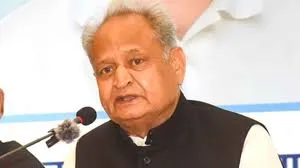
Calling the Aravallis the “lungs” of the National Capital Region and adjoining cities, Gehlot said the hills and forests act as a natural barrier against dust storms and help regulate air quality. “If the Aravallis were not present, conditions would be far more dangerous,” he said in a statement.
To underline his support, Gehlot joined the campaign symbolically by changing his social media profile picture, urging citizens to do the same. “This is not merely a photo change but a protest against a definition that reduces Aravalli to a matter of height,” he said, appealing to the Centre and the Supreme Court to reconsider the criteria in the interest of future generations.
Gehlot stressed that the Aravalli range plays a critical role in groundwater recharge, warning that its degradation could lead to severe drinking water shortages, loss of wildlife, and irreversible ecological imbalance. From a scientific perspective, he said, the range functions as a continuous system where smaller hillocks are as vital as larger peaks.
Environmental concerns are particularly acute in 15 districts of Rajasthan, including Udaipur, Rajsamand, Chittorgarh, and Sirohi. According to official assessments, only 1,048 of the 12,081 recorded hills in these districts meet the new height threshold, raising fears of desertification in the Mewar region.
Experts warn that the disappearance of these natural barriers could amplify heatwaves, reduce monsoon rainfall from the Bay of Bengal, dry up rivers originating in the range, and increase the impact of seismic activity—posing a serious threat to the region’s climate and livelihoods.

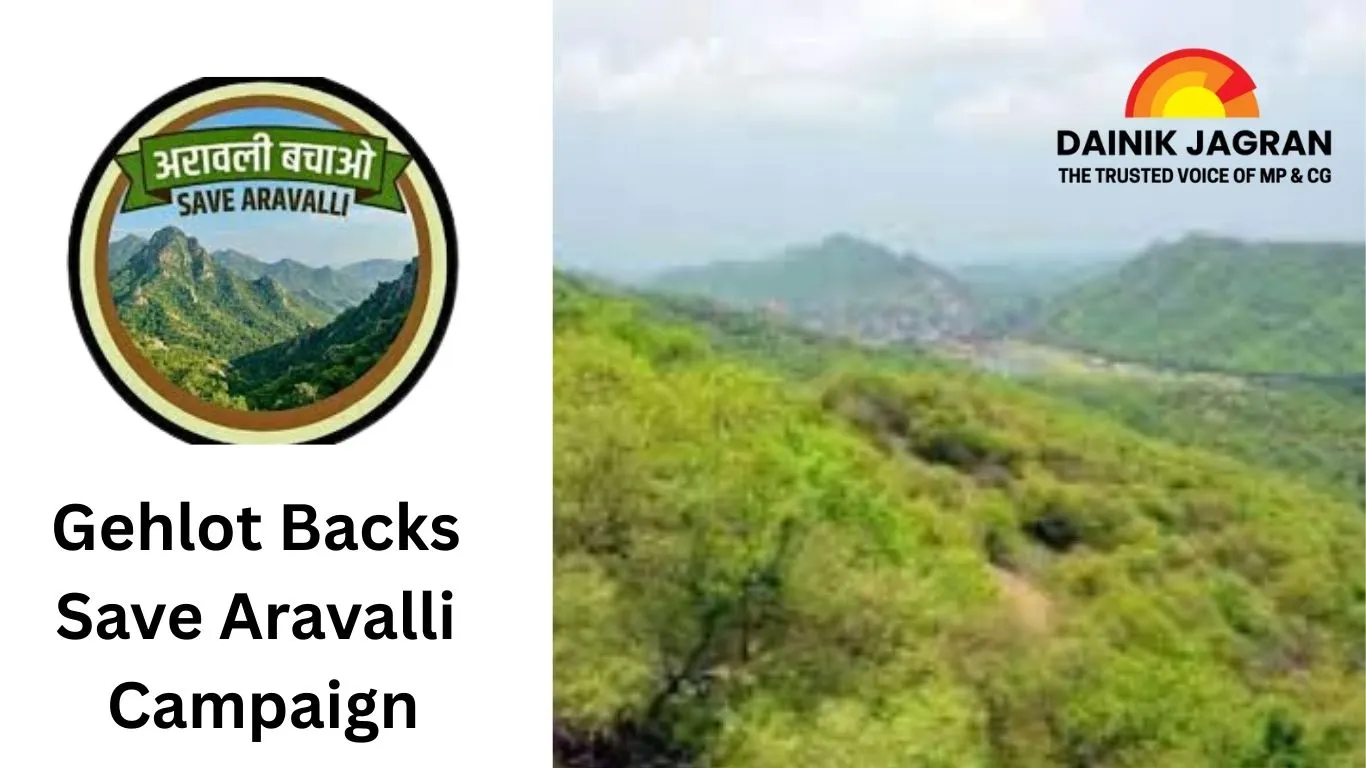
Gehlot Backs Save Aravalli Campaign, Warns of Ecological Fallout from New Hill Definition
Digital Desk
Gehlot’s remarks come in the wake of a Supreme Court ruling dated November 20, 2025, which defined Aravalli hills as landforms rising 100 metres or more above surrounding terrain. Environmental groups argue the definition excludes more than 90 per cent of the range, effectively opening large stretches to mining, construction, and real estate activity.
Calling the Aravallis the “lungs” of the National Capital Region and adjoining cities, Gehlot said the hills and forests act as a natural barrier against dust storms and help regulate air quality. “If the Aravallis were not present, conditions would be far more dangerous,” he said in a statement.
To underline his support, Gehlot joined the campaign symbolically by changing his social media profile picture, urging citizens to do the same. “This is not merely a photo change but a protest against a definition that reduces Aravalli to a matter of height,” he said, appealing to the Centre and the Supreme Court to reconsider the criteria in the interest of future generations.
Gehlot stressed that the Aravalli range plays a critical role in groundwater recharge, warning that its degradation could lead to severe drinking water shortages, loss of wildlife, and irreversible ecological imbalance. From a scientific perspective, he said, the range functions as a continuous system where smaller hillocks are as vital as larger peaks.
Environmental concerns are particularly acute in 15 districts of Rajasthan, including Udaipur, Rajsamand, Chittorgarh, and Sirohi. According to official assessments, only 1,048 of the 12,081 recorded hills in these districts meet the new height threshold, raising fears of desertification in the Mewar region.
Experts warn that the disappearance of these natural barriers could amplify heatwaves, reduce monsoon rainfall from the Bay of Bengal, dry up rivers originating in the range, and increase the impact of seismic activity—posing a serious threat to the region’s climate and livelihoods.
.jpg)
.jpg)
.jpg)




